











Bowling How To's & Coaching Tips, Bowling Tips & Coaching Articles, Intermediate Bowling Tips, Mental Game Tips, Richard Shockley Coaching Corner
Controlling Your Emotions While Bowling By Richard Shockley
It’s the sixth frame and you’re 30 pins below your average. You’ve thrown great shots only to leave corner pins, then yanked your spare ball in frustration, creating a big split. Meanwhile, your opponent just struck with a lucky Brooklyn hit. Your blood pressure rises, your muscles tense, and suddenly every shot feels forced and unnatural.
Sound familiar? Emotional control separates good bowlers from great ones, yet it’s the most overlooked aspect of bowling improvement. While everyone focuses on physical technique, professionals know that mental mastery often determines who wins when skill levels are equal.
This guide reveals the exact mental strategies used by elite bowlers to maintain peak performance under pressure, turn bad games around, and consistently bowl at their potential regardless of circumstances.
Master Bowling Mental Game: The Professional’s Guide to Emotional Control and Peak Performance
Mental Game Goal: Develop unshakeable emotional control that enables consistent peak performance regardless of bad breaks, opponent luck, or challenging circumstances.
Why Emotions Destroy Bowling Performance
Negative emotions create a cascade of physical and mental changes that make consistent bowling nearly impossible. Understanding this process is the first step toward gaining control over your mental game.
The Emotional Destruction Cycle
Physical Impact
Muscle Tension: Anger and frustration create tension that disrupts timing, balance, and release consistency
Breathing Changes: Emotional stress alters breathing patterns, affecting focus and physical coordination
Grip Pressure: Negative emotions cause unconscious grip tightening, destroying ball reaction and accuracy
Mental Impact
Focus Disruption: Emotional turmoil shifts attention from execution to results and circumstances
Negative Spiral: One bad shot leads to emotional reaction, which creates more bad shots
Decision Paralysis: Overthinking caused by frustration prevents natural, instinctive shot-making
Performance Impact
Inconsistent Execution: Emotional tension creates timing and release variations
Poor Shot Selection: Frustration leads to overly aggressive or conservative choices
Compounding Errors: Emotional reactions multiply mistakes instead of correcting them
Mastering Common Emotional Challenges
Every bowler faces predictable emotional challenges. Learning to handle these situations separates mentally tough competitors from those who let circumstances control their performance.
Scenario 1: The Bad Break Spiral
Situation: You throw great shots but leave ringing corners, then miss easy spares in frustration
Emotional Trap: Feeling cheated by bad luck leads to rushed, angry execution
Pro Response: Accept that bad breaks are part of bowling—focus on continuing quality execution
Action Step: Take three deep breaths, reset your routine, and commit to your next shot process
Scenario 2: Opponent’s Lucky Strikes
Situation: Your opponent gets strikes on weak hits while your good shots don’t carry
Emotional Trap: Focusing on unfairness instead of your own execution
Pro Response: You can’t control opponents’ luck—only your own shot quality
Action Step: Redirect focus to your process and trust that good execution will be rewarded
Scenario 3: Below-Average Performance
Situation: Six frames in and significantly below your average score
Emotional Trap: Writing off the game and losing focus on remaining frames
Pro Response: Reset mentally and bowl the remaining frames as a new game
Action Step: Use the “Frame 7 = Frame 1” reset technique to salvage the game
Professional Mental Control Techniques
Elite bowlers use specific, proven techniques to maintain emotional control under pressure. These methods can be learned and applied by any bowler willing to practice mental discipline.
The Frame Reset Method
🧠 The “New Game” Visualization
Technique: When struggling through six frames, imagine frame 7 is actually frame 1 of a new game
Mental Shift: This eliminates pressure from previous performance and creates fresh focus
Goal Setting: Aim to “go off the sheet” (six strikes) from your reset point
Professional Use: Tour players regularly use this technique to salvage tournaments
The Golf Comparison Strategy
🏌️ Learning from Golf Professionals
Perspective: Top golfers often have three bogeys in a row (equivalent to three opens) but don’t let emotions take over
Recovery Ability: They follow bad holes with birdies, finishing strong despite early struggles
Lesson:** Emotional control enables quick recovery from setbacks
Application:** Treat bad frames like golfers treat bad holes—learning opportunities, not game-enders
The One-Frame Focus System
🎯 Present-Moment Mastery
Core Principle: Focus exclusively on the current frame, ignoring past and future
Mental Discipline:** Refuse to look in the “rear view mirror” when things go wrong
Execution Focus:** Channel all mental energy into executing the next shot perfectly
Compound Effect:** One good frame leads to another, creating positive momentum
Step-by-Step Emotional Control Protocol
Having techniques is useless without a practical system for applying them. Here’s the exact protocol professionals use to maintain emotional control during competition.
The STOP-RESET-FOCUS Method
STOP: Interrupt the Emotional Reaction
Physical Cue: Take three deep breaths when frustration begins
Mental Cue: Say “Stop” internally to interrupt negative thought patterns
Time Investment:** 10-15 seconds to prevent emotional escalation
RESET: Redirect Mental Focus
Acknowledge Reality: “That happened, it’s over, I can’t change it”
Present Focus:** “What’s my target for this shot?”
Process Commitment:** “I’m going to execute my routine perfectly”
FOCUS: Execute with Commitment
Target Selection:** Choose your line with complete confidence
Routine Execution:** Follow your pre-shot routine exactly
Full Commitment:** Trust your choice and execute without hesitation
Advanced Mental Game Strategies
Handling High-Pressure Moments
Tournament Pressure: Use the same routine regardless of importance—treat every shot equally
Close Matches:** Focus on process, not outcomes—you can’t control results, only execution
Comeback Situations:** Use urgency as motivation, not pressure—embrace the challenge
Team Situations:** Remember your teammates trust your ability—focus on executing for them
Opponent-Focused Emotional Control
Lucky Opponents:** Tip your hat to good fortune and focus on your own game
Intimidating Players:** Respect skill but don’t be intimidated—you belong on the same lanes
Trash Talkers:** Use their negativity as motivation to stay positive and focused
Team Dynamics:** Support struggling teammates while maintaining your own focus
Building Mental Toughness
Practice Mental Skills:** Work on emotional control during practice, not just competition
Study Setbacks:** Analyze emotional reactions to build better responses
Visualization Training:** Practice handling difficult situations mentally before they occur
Consistent Routine:** Develop pre-shot routines that work under any emotional state
Common Mental Game Misconceptions
Debunking Harmful Beliefs
“Good Bowlers Don’t Get Emotional”
Reality: Even champions like Marshall Holman and Pete Weber showed emotions—the key is controlling them, not eliminating them
“Anger Can Motivate Better Performance”
Reality: Controlled intensity helps, but anger creates tension that destroys consistency and accuracy
“Mental Game Doesn’t Matter in Recreational Play”
Reality: Emotional control improves enjoyment and performance at every level of play
Handling Emotional Teammates
Your teammates’ emotional states can significantly impact your own performance. Learning to manage team dynamics while protecting your mental game is crucial for success.
Strategies for Emotional Team Situations
Helping Struggling Teammates
Supportive Language:** “You’ve got this” instead of analyzing what went wrong
Positive Redirection:** Focus their attention on the next shot, not the previous result
Energy Protection:** Offer support without absorbing their negative emotions
Dealing with Negative Teammates
Mental Boundaries:** Acknowledge their frustration without taking it on yourself
Routine Consistency:** Maintain your own pre-shot routine regardless of team chaos
Positive Leadership:** Model the emotional control you want to see from others
Final Thoughts
Mastering your mental game transforms bowling from an emotional roller coaster into a consistently enjoyable challenge. The techniques outlined here aren’t just theory—they’re proven methods used by professionals to maintain peak performance under any circumstances.
Start by implementing the STOP-RESET-FOCUS method during your next practice session. Remember: emotional control is a skill that improves with practice, just like your physical technique. Be patient with yourself as you develop this crucial aspect of bowling excellence.
Bad breaks will happen—they’re part of bowling’s challenge and charm. Your response to these situations defines your character as a bowler and determines your long-term success. Choose to respond like a champion, one frame at a time.
Happy bowling! 🎳
Mental Game Success Stories
Equipment That Builds Confidence
💰 Striking Rewards: Build confidence with quality equipment! Join our loyalty program for exclusive discounts and free shipping on all orders.
More Mental Game and Technique Articles

Storm Belmo Rocket AI: Jason Belmonte Debuts Mystery Ball at PBA Ohio Classic
By BowlersMart Staff · Published March 31, 2026 · Updated: March 31, 2026 Jason Belmonte [...]
1 Comments
Mar
Rookie Brandon Bonta Rolls 300 to Win PBA Players Championship 2026
📋 Quick Facts: 2026 PBA Players Championship | Stepladder Finals at the International Training and [...]
Feb
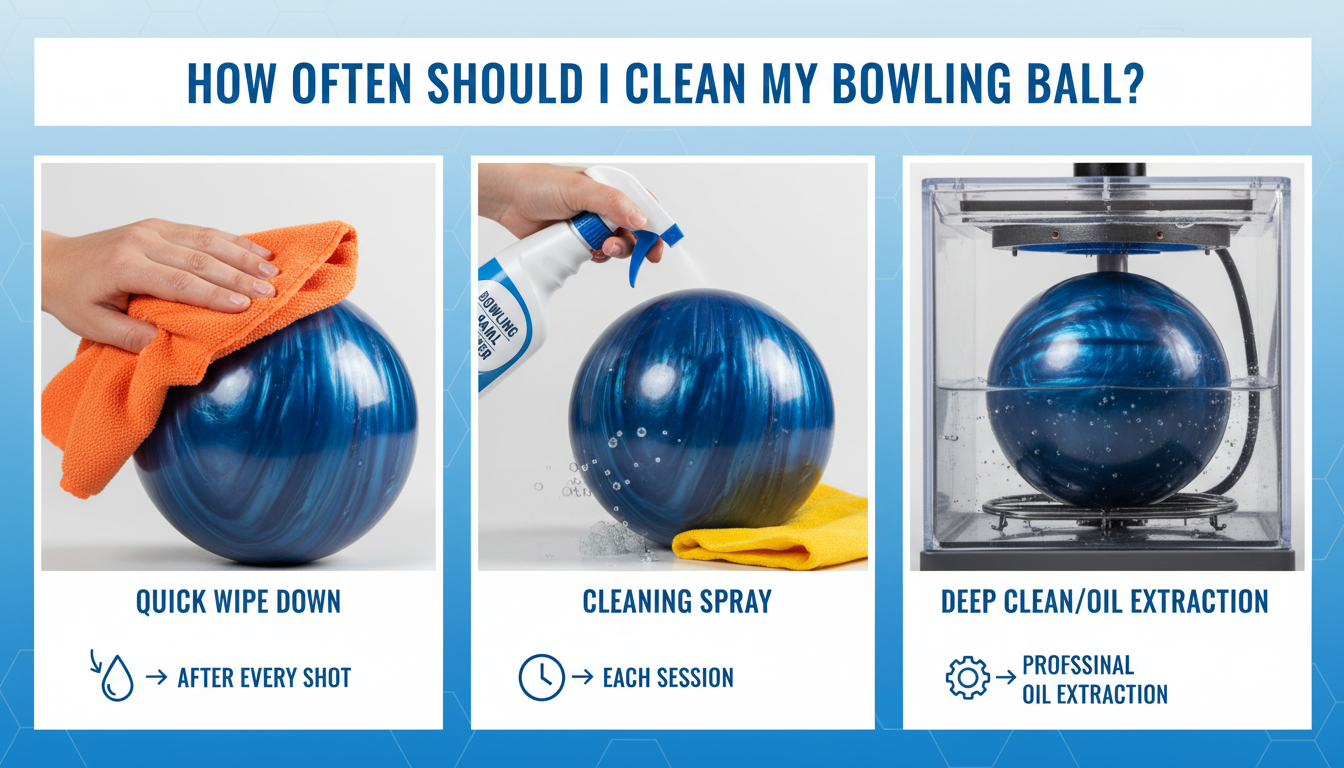
How Often & How Should I Clean My Bowling Ball?
How Often Should I Clean My Bowling Ball? Bowling balls are precision tools, and like [...]
Feb

Brunswick Drops 5 New Bowling Balls for 2026: Complete Specs, Reviews & Comparisons
By BowlersMart Staff | Published February 16, 2026 | Updated February 19, 2026 Brunswick’s family [...]
Feb

4 New Storm Bowling Balls for Spring 2026: Full Guide
Storm Products Inc. just loaded up bowlers’ bags for the spring 2026 season. Four new [...]
1 Comments
Feb

SWAG Just Released 6 New Performance Bowling Balls
SWAG Bowling released six new bowling balls on February 17, 2026: the Judgement Hybrid ($184.95), [...]
Feb
 Balls
Balls Shoes
Shoes Bags
Bags Accessories
 Apparel
 Deals
Deals
I’m so glad I just ran across this , because I’m an emotional bowler because I love the game so much but, I tend to let people or bad breaks and shot get the best of me. I’ve really been trying to focus on having fun and tell my self that ok just keep shooting. This message I just read gave me good inspiration because I needed a good recipe for my imperfections. Thanks I bowl tonight and trust me I’ll be taking it one frame at a time and putting the past behind me!
The one thing to try remember is you can’t play defense. If your opponent gets the breaks that you don’t you have to tip your hat and walk away. Being angry will only make it worse. You also have to keep the frame of mind that your last shot was history and you can’t do anything about it except learn from it. Staying calm and laughing off a bad break, even thought it may be difficult, is the best thing to do. Remember, that vast majority of us that bowl have regular jobs, that is a good way to keep it in perspective and keep your cool.
I sort of agree with the coach. I NEVER get upset on the outside when bowling. I don’t let my emotions show. That’s why they call me “Smiley” (I don’t smile on a good hit or a bad hit). I keep the other bowlers guessing on what I am thinking on the inside. I don’t get upset when I throw a bad ball or get a bad break, because your life and your bowling scores are all planned out for you already. If you throw a bad ball, it’s in the cards. If you get a bad break, it’s in the cards. So just take one frame at a time. Enjoy life and have a beer. Oh yeah, I don’t drink. Bartender give me a Pepsi.
Richard has some great advice here. The issue in my life more than not is not my temper while bowling but those of teammates that go off the deep end. I wish someone would write an article on ways to talk teammates off the ledge AND give some pointers on how to close out that kind of negative energy from a teammate
Hey Richard Shockley is very helpful. I came to kegel from Bermuda and spent a couple days at Kegel. One day was all about the Mental game. The next day was to get a few links out of my game. Was 2 days I enjoyed and still have the video to look back on.
Thanks Richard Shockley
Emotions sometimes get the better of even the best bowlers (i.e. Marshall Holman-foul light, Pete Weber-‘Who do you think you are, I am) and they would probably be even better if they weren’t.
Hey Richard I went to the first summer camp at kegel and it was a one day training with you is that something you would still honor please let me know