













← Education Hub / Bowling Ball Coverstocks
PRO SHOP RESEARCH CENTER
Bowling Ball Coverstocks
The outer shell that touches the lane on every shot. Browse covers from 10 brands, learn how Reactive, Urethane, and Plastic compare, and dial in the surface finish that matches your conditions.
By the BowlersMart Pro Shop Team. Last reviewed for the 2026 season. Pair with the Cores Research hub for complete ball-motion understanding.
IN THIS HUB
4
Coverstock types
10
Brand cover libraries
4
Surface finish tiers
500 to 5000
Grit range
COVER PHYSICS 101
Why the Coverstock Matters
The core sets the ball’s motion potential. The coverstock decides whether that motion actually happens on the lane in front of you. Get the cover wrong and even the best core sits on the shelf.
FACTOR 1
Coverstock Material
Determines oil absorption, friction generation, and overall hook potential. The four material families (Plastic, Urethane, Reactive Resin, Particle/Hybrid) each behave differently in oil.
FACTOR 2
Surface Finish (Grit)
Controls when and how aggressively the ball reads the lane. Lower grit numbers (rougher surface) read earlier and grip more. Higher grit (smoother) saves energy for the backend.
FACTOR 3
Surface Preparation
Sanded vs polished finish dramatically changes reaction timing. The same ball can play three different ways depending on how the pro shop prepared the cover.
THE 4 FAMILIES
The 4 Coverstock Types
Every bowling ball coverstock falls into one of four material families. Pick the family first, then the specific compound.
TYPE 1
Plastic / Polyester
Straight and predictable. Rolls through oil with minimal friction. The spare-ball standard for every bowler.
Reaction: No hook
Best for: Spare shooting, beginners
Price: $50 to $90
TYPE 2
Urethane
Controlled, predictable hook. Reads the lane smoothly without aggressive friction. The benchmark cover for control bowlers and sport patterns.
Reaction: Smooth arc
Best for: Medium oil, sport patterns
Price: $90 to $180
TYPE 3
Reactive Resin
The modern standard. Three sub-variants: Solid (most traction), Pearl (most length), Hybrid (split the difference). Powers every flagship release.
Reaction: Varies by formula
Best for: Most modern conditions
Price: $150 to $300
TYPE 4
Particle / Hybrid
Reactive resin with embedded particles for maximum oil traction. The heavy-oil specialist. Less common today as modern reactive solids have closed the gap.
Reaction: Heaviest traction
Best for: Heavy oil tournament play
Price: $200 to $320
SURFACE PREP
Surface Finish & Grit Guide
The same coverstock plays four different ways depending on grit. Surface finish is the cheapest single change you can make to a ball’s reaction.
ROUGH SAND
500 to 1000 grit
Earliest read.
Maximum oil handling. Heavy oil and sport patterns.
Maximum oil handling. Heavy oil and sport patterns.
MEDIUM SAND
2000 to 3000 grit
Balanced read.
The benchmark factory finish. League play.
The benchmark factory finish. League play.
FINE SAND
4000 to 5000 grit
Length with control.
Cleaner through the front, smoother backend.
Cleaner through the front, smoother backend.
POLISHED
High gloss
Maximum length.
Sharp backend break on dry conditions.
Sharp backend break on dry conditions.
Most modern reactive balls ship at a 2000 to 3000 grit factory finish. Pro shops adjust up or down based on the bowler’s conditions.
BRAND LIBRARIES
Browse Coverstocks by Brand
Each manufacturer formulates their own reactive compounds. Click through to see every cover technology in each brand’s lineup.
Storm Coverstocks
R2S, R3S, NeX, GI-26, and the rest of the Storm compound family.
Brunswick Coverstocks
DynamiCore, Activator, Microtrax, and Brunswick’s reactive line.
Motiv Coverstocks
Coercion, Hexion, Fusion, and the rest of Motiv’s reactive formulas.
Columbia 300 Coverstocks
Reactive and hybrid compounds from Columbia 300.
900 Global Coverstocks
SC-Tech, S77, and 900 Global’s full reactive lineup.
CONDITION MATCHING
Which Cover for Which Lane?
A quick starting point for matching coverstock and grit to the conditions you bowl on most.
HEAVY OIL
Fresh Tournament Patterns
Reactive Solid at 500 to 2000 grit. Particle/hybrid covers also shine here. Look for the highest-friction compounds in each brand’s lineup.
MEDIUM OIL
League House Shot
Reactive Solid or Hybrid at 2000 to 3000 grit factory finish. The bread-and-butter coverstock for most weekly league bowling.
LIGHT OIL / TRANSITION
Broken-Down Conditions
Reactive Pearl at 3000 to 5000 or polished. Saves energy through the front and creates a defined backend break on burnt lanes.
SPARES / DRY
Straight Ball Work
Plastic / Polyester. Polished finish. Goes straight regardless of how much oil is on the lane. Every bowler should own one.
Surface Management Products
Pro shop tools to adjust your coverstock surface at home or in the back room.

Original price was: $59.95.$35.95Current price is: $35.95.

Original price was: $14.99.$8.95Current price is: $8.95.

Original price was: $14.99.$8.95Current price is: $8.95.
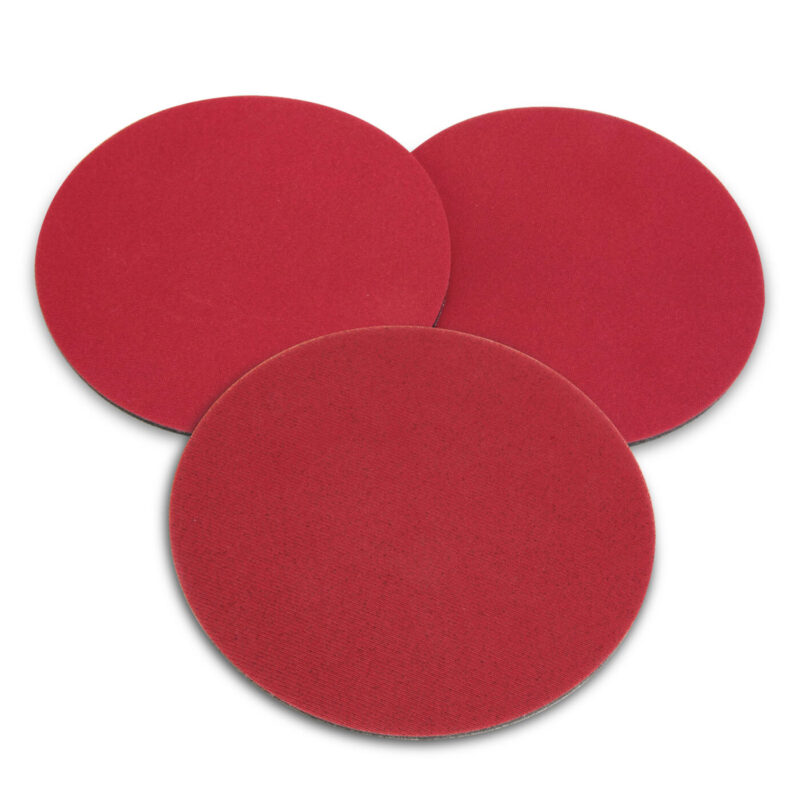
Original price was: $37.99.$21.95Current price is: $21.95.
Original price was: $14.99.$8.95Current price is: $8.95.
Coverstock FAQ
Common questions bowlers ask when picking coverstocks and surface finishes.
What is the difference between Solid, Pearl, and Hybrid reactive covers?
All three are reactive resin, but the formulation creates different motion. Reactive Solid is the highest friction, reads the lane earliest, and is best for heavier oil. Reactive Pearl has a glossier surface that saves energy through the front and creates the sharpest backend break, best for medium to light oil. Reactive Hybrid blends the two, giving you mid-lane read with strong backend recovery. Most modern arsenals carry at least one of each.
How often should I clean and resurface my bowling ball?
Clean after every session with a USBC-approved ball cleaner. Resurface (sand or polish) every 60 games or whenever the reaction changes noticeably. Heavy users may resurface monthly, casual league bowlers every 2 to 3 months. Oil absorbed into the coverstock degrades performance even if the surface still looks fine.
What is grit and how do I read it on a ball spec sheet?
Grit measures the roughness of the coverstock surface. The number refers to the abrasive grit used to finish the cover. 500 grit is rough (most friction, earliest read). 5000 grit is fine (cleaner through the front). Polished is even smoother than 5000. Lower number means more aggressive surface. Most reactive balls ship at 2000, 3000, or 4000 grit factory finish.
Why does a ball that worked great last month feel different now?
Coverstocks absorb oil from the lane during play. Over time, that absorbed oil dulls the cover’s friction characteristics and the ball reads later and weaker. Deep cleaning with a chemical extractor or a thorough surface refresh restores most of the original reaction. This is normal wear, not a defect.
Can I change a ball's coverstock?
Not really. The coverstock is bonded to the core at the factory and cannot be replaced. You can change the SURFACE of the coverstock (sanding, polishing, applying compounds) to dramatically alter reaction, but you cannot swap the actual material. If you want a different coverstock, you need a different ball.
Is urethane making a comeback?
Yes. Urethane covers had a long quiet period after reactive resin took over in the early 1990s, but the last decade has seen urethane regain popularity for sport patterns, broken-down lanes, and bowlers who want predictable, controllable motion. Storm’s Pitch Black and Hammer’s Purple Pearl Urethane are two of the most common modern urethane balls.
Pair the Cover With the Rest
RESEARCH
Bowling Ball Cores Hub
The internal physics behind every ball. 11 brand libraries, 250+ cores, attribute indexes.
RESEARCH
Drilling Layouts Hub
Dual Angle, VLS, 2LS systems plus the 8 most common layouts. The third leg of ball motion.
EDUCATION
Back to Education Hub
Tips, coaching, reviewers, buying guides, and the full learning library.
NEXT STEP
Got the cover dialed in? Get it tuned at a pro shop.
Surface adjustments are the cheapest way to transform a ball’s reaction. A certified pro shop can match grit to your conditions, your rev rate, and the patterns you bowl on.
 Balls
Balls Shoes
Shoes Bags
Bags Accessories
 Apparel
 Deals
Deals