

 Pay in 4 with Afterpay
 Personalized Bowling Bags
 Personalized Shammies
 Personalized Bowling Jerseys
 Shop Hammer Balls
 Shop Epic Shoes
 Shop Epic Bags
Bowling Balls, Bowling How To's & Coaching Tips, Buying Guides, Roto Grip Buying Guides
Roto Grip RST Hyperdrive Pearl Bowling Ball Review & Analysis Guide

Roto Grip RST Hyperdrive Pearl Bowling Ball Review & Analysis Guide
Introduction
If you’re hunting for a high-performance bowling ball that blends clean motion through the fronts with a snarling, continuous backend, the Roto Grip RST Hyperdrive Pearl is a compelling option. In this review & analysis guide, I’ll walk you through its tech specs, motion characteristics (as seen in the YouTube demo), drilling considerations, ideal lane conditions, strengths & limitations, and how it compares (in concept) to other balls in your bag. By the end, you’ll have a clear picture of whether this is a ball you should invest in.
Technical Specifications & Core Features
From the Storm Bowling product page, here’s a breakdown of what makes the RST Hyperdrive Pearl tick:
-
Core / Weight Block
• RST™ + A.I. Core Technology (same asymmetrical core as the original RST Hyperdrive)
• Higher RG value promotes length; the offset between top and bottom discs increases torque and change of direction downlane. -
Coverstock
• U-R1™ Pearl Reactive, a nano-free formulation designed for “ULTRA response”
• Pearlized finish that helps the ball move more cleanly through the heads while still responding aggressively to friction later in the lane
Intended Conditions & Specs
• Engineered for medium to medium/heavy oil conditions
• Differential: 0.055
• Flare potential: High
• Radius of gyration: 2.52 (in the spec listing)
• Symmetry: Asymmetrical
• Intermediate Differential: .017
• Color: Space Blue / Deep Purple
• Release date: 09/19/25
These specs suggest a ball built to preserve energy through the heads, then fire strongly at the breakpoint thanks to the asymmetric core and high flare potential.
Motion Characteristics & Behavior (from Video Demo)
Watching the ball in motion (via the YouTube video) gives insight into how it performs in real lane contexts:
-
In the heads, the ball displays a relatively clean, controlled entry, indicating low friction drag in the front part of the lane.
-
As it traverses the midlane and approaches the breakpoint, the reaction becomes more aggressive, with a strong read and angular motion into the pins.
-
The transition from front to backend is smooth (i.e. not overly sharp, but assertive).
-
You can see that the ball doesn’t overreact prematurely; it holds its line until friction is encountered, then responds decisively.
-
In heavier oil sections, the ball still carries its motion well, thanks to its core energy retention.
-
Pin carry appears reliable, likely due to the sustained motion entering the pocket.
In short: it lives up to its promise of “explosive backend reaction” while still being manageable through the heads.
Drilling Layout & Surface Preparation Tips
To get the most from the RST Hyperdrive Pearl, you’ll want to pay attention to drilling and surface adjustments.
Suggested Drilling Considerations
-
Because of its asymmetrical core and high flare potential, consider control-oriented layouts (i.e. less flare emphasis) if your style is high rev or you prefer a smoother motion.
-
For bowlers who prefer more “angularity,” open drill patterns that accentuate the core’s torque offset may help unlock a bit more backend reaction.
-
Pay attention to pin and mass bias placement: orienting the pin and MB relative to your release can moderate or amplify the motion as needed.
-
A moderate pin buffer might help tame overly aggressive shape in drier zones.
Surface Adjustments
-
The ball ships with a pearlized finish to help travel through the fronts cleanly. If the ball reads too early on your pattern, you can down-finish (e.g. flannels, light abrasives) to dull the cover slightly and push the breakpoint deeper.
-
Conversely, if you need more read in the midlane, a slight polish or rejuvenation might help the ball in dry patches.
-
Always test on a shot with varying friction zones to gauge how the surface tweaks affect motion.
Best Lane Conditions & Use-Case Scenarios
The RST Hyperdrive Pearl is optimized for medium to medium/heavy oil patterns. It is especially effective when:
-
You need a ball that transitions from clean to strong — e.g. fresh when the heads are your main obstacle, but also with enough bite downlane.
-
The pattern is somewhat forgiving or allows room for a strong breakpoint.
-
You are looking for a shape that is neither too angular nor too smooth — i.e. a balanced, aggressive motion.
-
Conditions start to open up, and you want to maintain some backend punch while controlling overall motion.
When it’s too dry or light oil, it may spark early or read too aggressively, so you might need to back off or switch to a weaker (or more polished) ball in those cases.
Strengths & Limitations
Strengths
-
Clean through the fronts
The pearl cover and nano-free formulation help it resist overreaction early, letting it store energy for later. -
Strong, continuous backend
The core + cover combination delivers a powerful, yet controlled, move into the pins. -
Versatility in medium/medium-heavy oil
It covers a useful niche for competitive bowlers seeking one ball that can handle a range of house to sport conditions. -
Advanced tech (nano-free, AI core)
You get newer cover technology without reliance on nanoparticle additives.
Limitations / Cautions
-
On very light or dry lanes, the ball may overreact or snap too early.
-
Players with low axis tilt or low rev rates might struggle to force it into its strongest motion, especially if the pattern is tight.
-
Because of the asymmetrical core, poor drilling or mismatch to style can exaggerate motion in unwanted ways (e.g. too angular or too much shape).
-
It may not outperform super strong “heavy oil” monsters; there may be better choices in extreme oil conditions.
Sample “In-Bag” Strategy & Transitions
Here’s how you might integrate the RST Hyperdrive Pearl in your arsenal (conceptually):
-
Start with it as your go-to when fresh out of the box for medium to moderately heavy patterns.
-
As the heads begin to burn or the pattern opens, you can shift to it from your weaker/cleaner pearl (i.e. move down your transition ball).
-
If the lanes dry too much, transition to a weaker (less aggressive) ball or one with lower friction.
-
Use surface tweaks (e.g. polishing, flannel, sand) to fine-tune motion mid-series depending on changing conditions.
Final Verdict & Recommendation
The Roto Grip RST Hyperdrive Pearl is a high-quality, thoughtfully engineered bowling ball that offers bowlers a valuable middle ground between control and aggression. With its clean front motion and powerful backend, it performs well in medium to medium/heavy oil, handling varying lane transitions. Its core and cover tech (nano-free U-R1 Pearl + RST + A.I. core) push it ahead of older designs in terms of flexibility and energy retention.
If your style supports higher flare and you compete frequently on medium oil conditions, this ball is definitely worth serious consideration. Just be mindful of drilling choices, surface adjustments, and pairing it with the right backup equipment for lighter or drier patterns.
recommended Bowling gear



more bowling articles you may enjoy
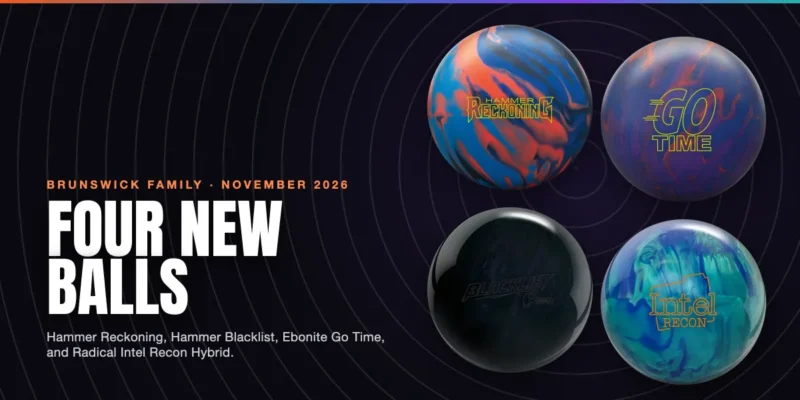
Hammer, Ebonite, and Radical Drop 4 New Bowling Balls for November 2026: Here’s What You Need to Know
By Brian Halstrom, BowlersMart Editorial Team | Published November 2026 Brunswick’s family of brands has [...]
Oct
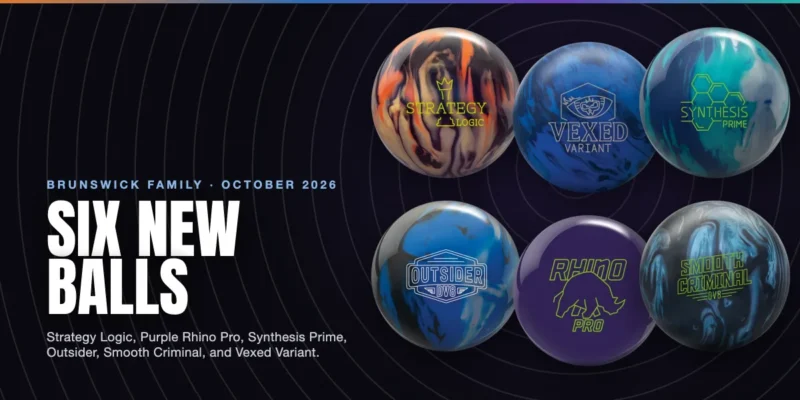
Brunswick, Track, DV8, and Radical Drop 6 New Bowling Balls for October 2026: Here’s What You Need to Know
By Brian Halstrom, BowlersMart Editorial Team | Published October 2026 Brunswick’s family of brands has [...]
Oct
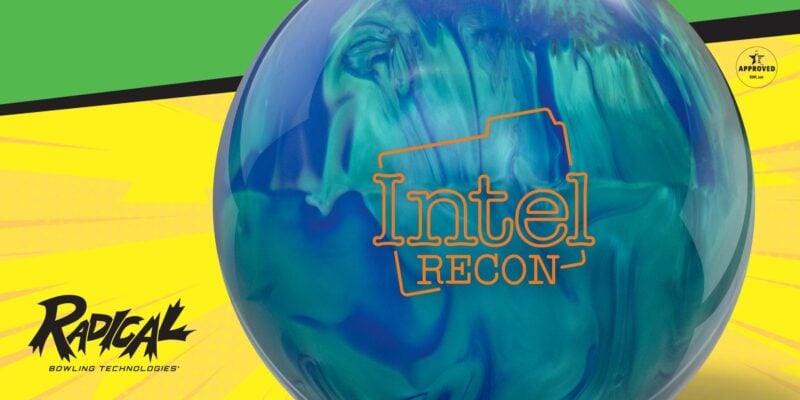
Radical Intel Recon Hybrid Bowling Ball Review: Modified Intel Core + HK22 Hybrid Cover
By Brian Halstrom, BowlersMart Editorial Team. Specs on this page are verified against Radical’s official [...]
Oct
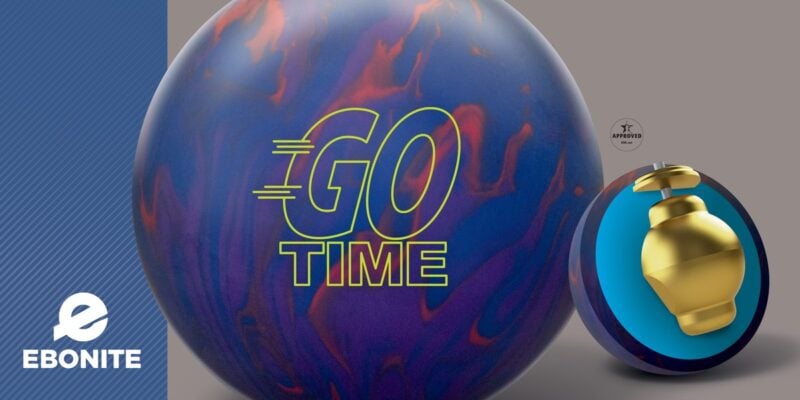
Ebonite Go Time Bowling Ball Review: Big Time Core + HK22 GB 13.7 Solid Cover
By Brian Halstrom, BowlersMart Editorial Team. Specs on this page are verified against Ebonite’s official [...]
Oct
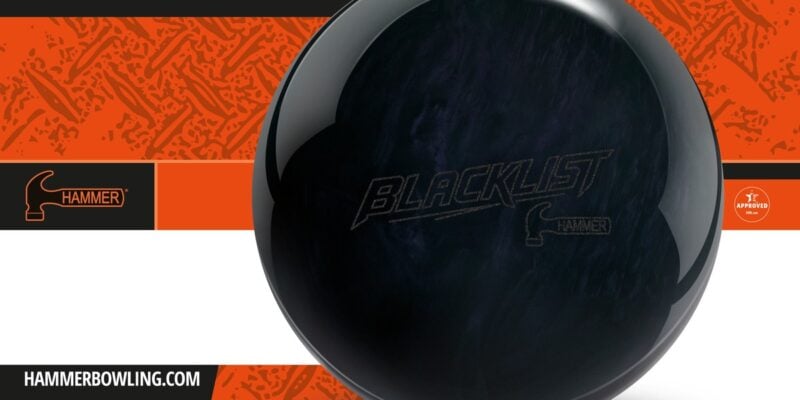
Hammer Blacklist Bowling Ball Review: Stacked LED Core + HK22 Cohesion Pearl Cover
By Brian Halstrom, BowlersMart Editorial Team. Specs on this page are verified against Hammer’s official [...]
Oct
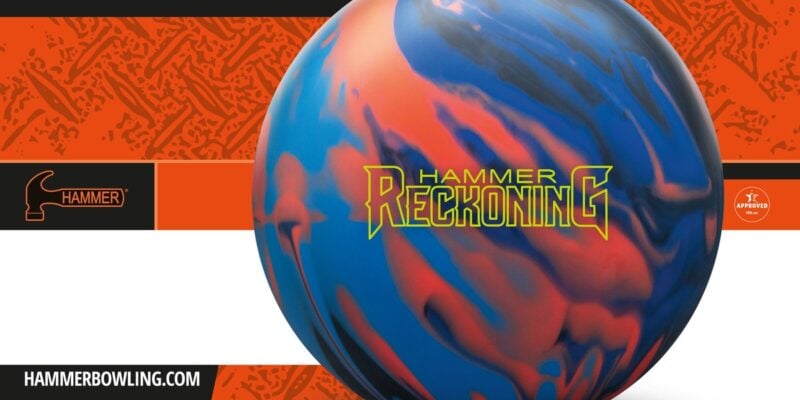
Hammer Reckoning Bowling Ball Review: Vindicator Core + HK22C2 Solid Cover
By Brian Halstrom, BowlersMart Editorial Team. Specs on this page are verified against Hammer’s official [...]
Oct
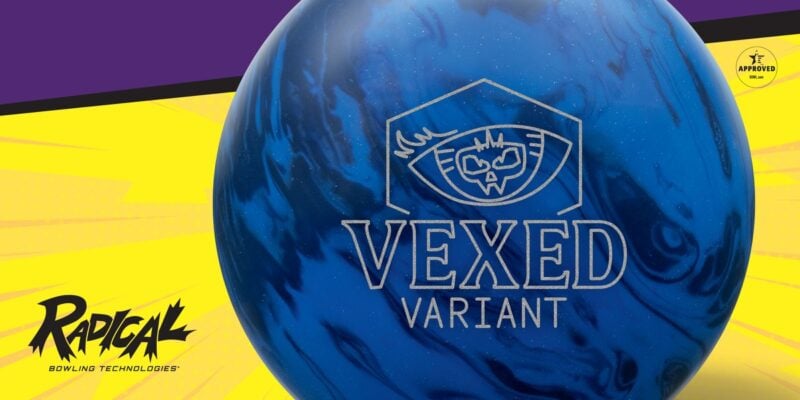
Radical Vexed Variant Bowling Ball Review: Vexed Variant Core + HK22C+ Solid Cover
By Brian Halstrom, BowlersMart Editorial Team. Specs on this page are verified against Radical’s official [...]
Oct
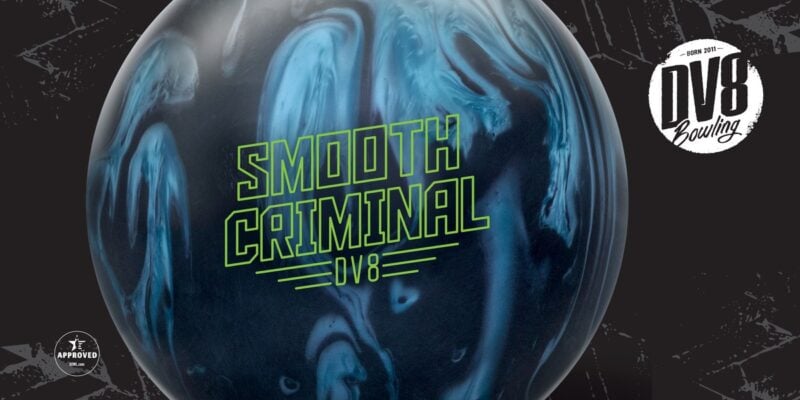
DV8 Smooth Criminal Bowling Ball Review: No Thumb Larceny Core + Jailbreak (S5) Hybrid
By Brian Halstrom, BowlersMart Editorial Team. Specs on this page are verified against DV8’s official [...]
Oct
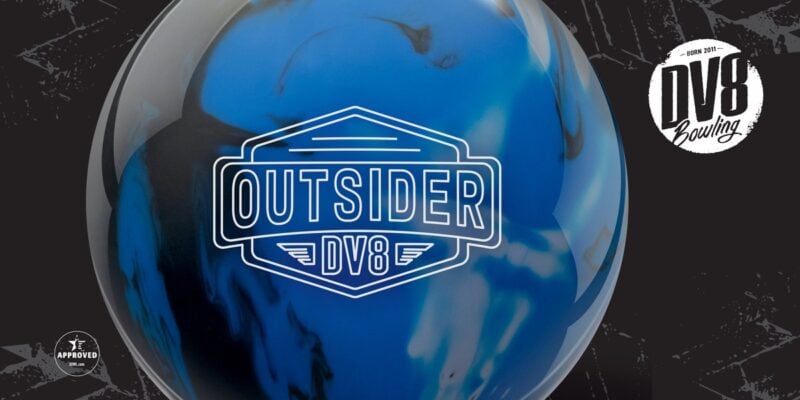
DV8 Outsider Bowling Ball Review: No Thumb Renegade Core + HK22 Jailbreak Solid
By Brian Halstrom, BowlersMart Editorial Team. Specs on this page are verified against DV8’s official [...]
Oct
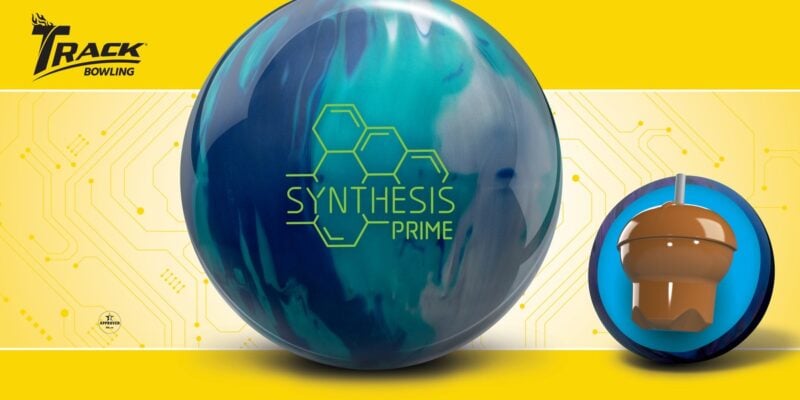
Track Synthesis Prime Bowling Ball Review: I-Core Gen4 + Prime Response Pearl Cover
By Brian Halstrom, BowlersMart Editorial Team. Specs on this page are verified against Track’s official [...]
Oct
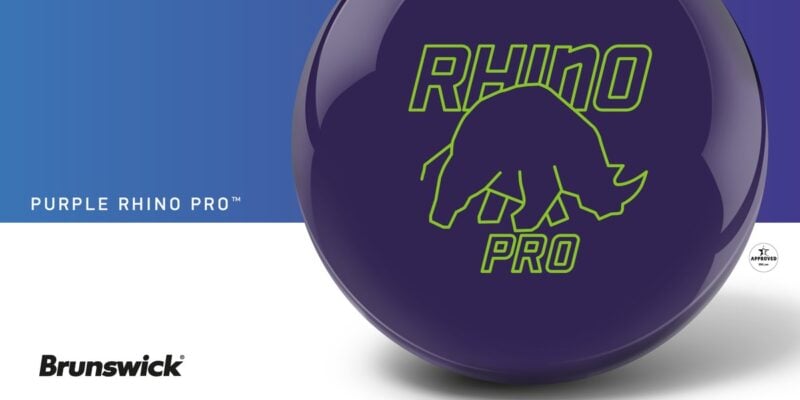
Brunswick Purple Rhino Pro Bowling Ball Review: Vintage Light Bulb Core + Savvy Hook 4.0 Solid
By Brian Halstrom, BowlersMart Editorial Team. Specs on this page are verified against Brunswick’s official [...]
Oct
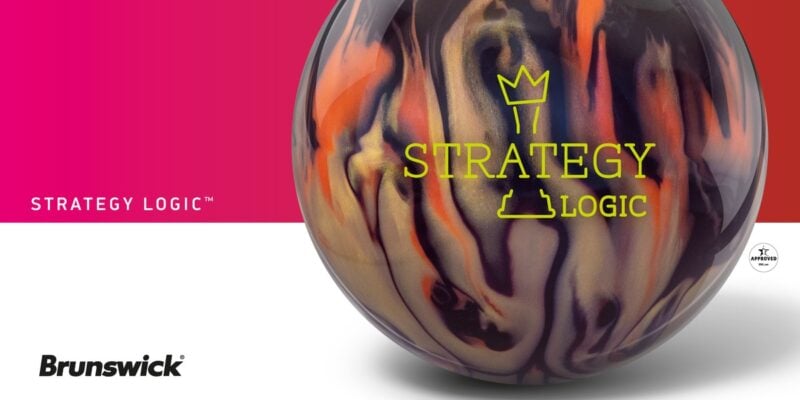
Brunswick Strategy Logic Bowling Ball Review: Dual Centric Core + HK22C2 EVO Hybrid Cover
By Brian Halstrom, BowlersMart Editorial Team. Specs on this page are verified against Brunswick’s official [...]
Oct
