









Basic Bowling Tips, Bowling How To's & Coaching Tips, Bowling Tips & Coaching Articles, Intermediate Bowling Tips, Physical Game Tips
How to Hook a Bowling Ball: Step-by-Step Technique Guide
You’ve been watching professional bowlers on TV with their dramatic hooking shots that curve across the entire lane, leaving you wondering how they make it look so effortless. Meanwhile, your ball travels straight down the lane like an arrow, rarely hitting the pocket with the angle needed for consistent strikes.
Learning to hook a bowling ball isn’t just about looking cool – it’s about physics, pin carry, and dramatically improving your strike percentage. A properly hooking ball enters the pin deck at an optimal angle, creating the pin action necessary for more strikes and higher scores.
This comprehensive guide will teach you the fundamental techniques for developing a consistent hook, from grip basics to release mechanics, so you can transform your straight ball into a powerful striking weapon.
Master the Hook: Complete Guide to Curving Your Bowling Ball
Hook Bowling Purpose: Curved ball motion creates optimal pin deck entry angle for maximum pin action and significantly higher strike percentage.
The Science Behind Bowling Ball Hook
Before diving into technique, it’s crucial to understand what actually causes a bowling ball to hook. This isn’t magic – it’s applied physics that you can learn to control and repeat.
How Hook Motion Works
Axis Rotation
Your release creates rotation around a tilted axis, causing the ball to migrate and curve toward the pins as it travels down the lane.
Migration Process
As the ball rotates, gradual tilting occurs in an upward direction called migration, creating the curved path you see.
Key Principle: The amount and direction of rotation you impart at release determines how much your ball will hook and when it will start its curve.
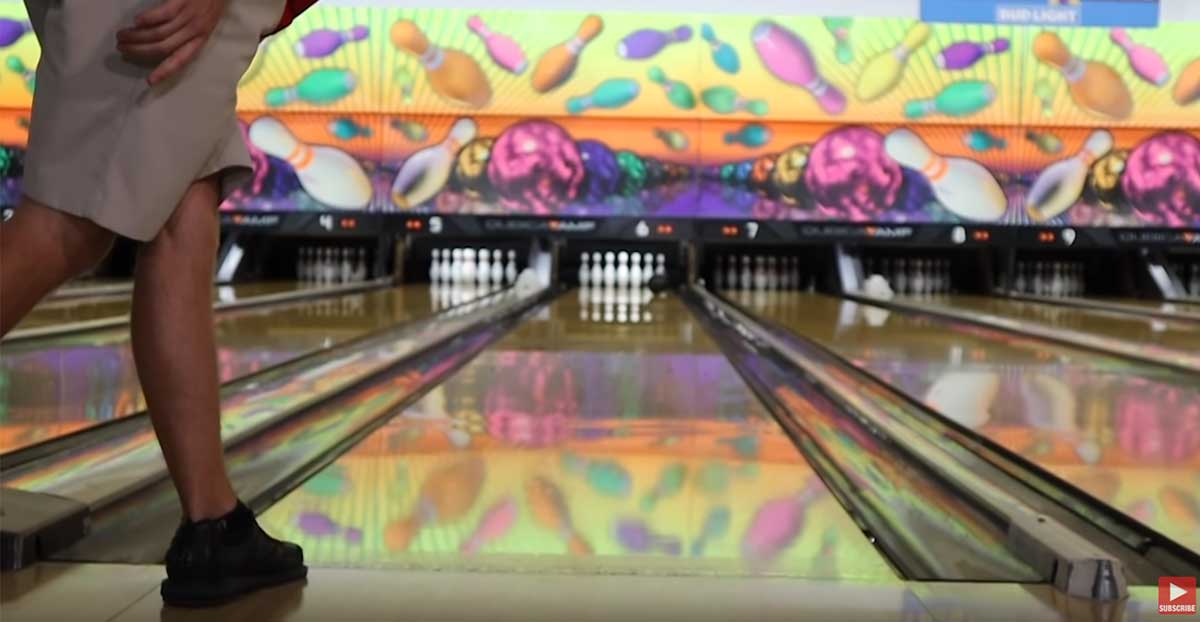
Video: How To Hook A Bowling Ball Using Axis Rotation
The 5-Step Hook Development System
Developing a consistent hook requires mastering five fundamental elements in sequence. Each step builds upon the previous one, creating a complete system for reliable ball motion.
Mastering Grip Strength and Control
Proper Finger Position: Insert your middle and ring fingers into the ball to the second knuckle, with your thumb fully inserted but relaxed.
Grip Pressure: Maintain firm control without squeezing – the ball should sit securely in your hand without excessive tension.
Alternative Technique: Advanced bowlers may explore two-handed releases (popularized by Jason Belmonte) for increased rev rate and hook potential.
Optimizing Backswing Positioning
Height Control: Your backswing height directly affects ball speed and hook potential – higher backswing creates more speed and hook.
Timing Consistency: Maintain the same backswing height for repeatable ball speed and motion characteristics.
Balance Point: Find the backswing height that allows comfortable control while generating sufficient ball speed for your style.
Achieving Proper Load Position
Shoulder Alignment: Point your bowling shoulder directly down the lane to ensure all power and momentum flow in one direction.
Body Position: Maintain square shoulders to your target line while keeping your head steady and eyes focused down the lane.
Power Transfer: Proper load position ensures maximum energy transfer from your body through the ball for optimal hook potential.
Executing the Push Off
Leg Power Focus: Generate power from your legs rather than relying solely on your arm to avoid injury and increase consistency.
Body Position: Maintain a slight bend at the waist during push off to optimize power transfer and maintain balance.
Safety Note: Avoid generating excessive backswing through arm strength alone to prevent potential shoulder and elbow injuries.
Perfecting the Release Technique
Critical Moment: The release is the most important part of your swing – everything else builds toward this crucial instant.
Hand Position: Keep your hand in front of your body with your elbow directly below the ball at release point.
Follow Through: Complete your follow-through with fingers pointing toward your target, maintaining smooth motion throughout.
💡 Pro Tip: Practice each step individually before combining them – master the grip before worrying about release, and perfect your timing before focusing on advanced rotation techniques.
Mastering the Release: Where Hook is Created
The release is where all your preparation pays off. Understanding the mechanics of creating rotation will help you develop a consistent, repeatable hook that you can control under pressure.
Pre-Release Preparation
Grip Adjustment: Apply appropriate pressure with your fingers while keeping your thumb relaxed – avoid squeezing the ball excessively.
Practice Swings: Take practice releases from both sides to understand how rotation affects hook characteristics.
Mental Preparation: Visualize your intended ball path and commit to your release technique before stepping onto the approach.
Rotation Control Techniques
Moderate Hook
Use less finger rotation at release for small, consistent hook motion that’s easier to control for beginners.
Strong Hook
Apply more finger pressure and rotation for larger hooking action – requires discipline and practice to control effectively.
Factors That Affect Your Hook Potential
Your release technique is just one piece of the puzzle. Understanding all the factors that influence hook motion will help you maximize your ball’s performance and adapt to different conditions.
Physical Technique Factors
Arm Alignment: Keep your bowling arm aligned with your target throughout the swing for consistent ball direction and rotation.
Release Speed: Faster releases with full rotational force create more hook potential but require greater precision.
Body Angle: Maintain a slight forward tilt (approximately 40 degrees) between your body’s centerline and spine for optimal power transfer.
Equipment Considerations
Ball Selection
Different bowling ball types (plastic, urethane, reactive resin) have varying hook potential based on their coverstock and core design.
Surface Preparation
Ball surface texture and maintenance significantly impact hook characteristics and overall ball motion down the lane.
Avoid These Common Hook Development Mistakes
Technique Errors That Limit Progress
Over-Squeezing
Problem: Gripping the ball too tightly prevents smooth release and reduces rotation.
Solution: Focus on controlled grip pressure that secures the ball without tension.
Forcing Rotation
Problem: Trying to create hook through excessive wrist manipulation instead of natural release.
Solution: Let rotation occur naturally through proper finger position and release timing.
Inconsistent Timing
Problem: Varying release timing creates unpredictable ball motion and hook characteristics.
Solution: Practice consistent timing through repetition and muscle memory development.
Progressive Practice Plan for Hook Development
Developing a reliable hook takes systematic practice. This progression plan will help you build skills methodically while avoiding common frustrations and setbacks.
Week 1-2: Foundation Building
Focus: Master proper grip and stance without worrying about hook – concentrate on consistent ball delivery.
Practice: Throw straight balls with proper form, focusing on hitting your target consistently.
Week 3-4: Basic Rotation Introduction
Focus: Add minimal finger rotation at release while maintaining accuracy and consistency.
Practice: Start with small hook motions, gradually increasing rotation as comfort and control improve.
Week 5+: Advanced Hook Development
Focus: Develop stronger hook potential while maintaining accuracy and spare shooting ability.
Practice: Work on reading ball motion, making lane adjustments, and adapting to different oil conditions.
Choosing the Right Ball for Hook Development
Your bowling ball significantly impacts your ability to create and control hook motion. Understanding how different ball types affect hook characteristics will help you select equipment that matches your skill level and goals.
Ball Types for Hook Development
Beginner Balls
Urethane or basic reactive resin balls provide moderate hook potential while remaining controllable for new hookers.
Intermediate Balls
Mid-performance reactive resin balls offer increased hook potential as technique and consistency improve.
Advanced Balls
High-performance balls with aggressive coverstocks and dynamic cores for experienced bowlers seeking maximum hook.
Final Thoughts
Learning to hook a bowling ball is a journey that requires patience, practice, and proper technique. The five-step system outlined here provides a solid foundation, but remember that developing a consistent hook takes time and repetition. Start with basic rotation and gradually increase your hook potential as your control and confidence grow.
Understanding the physics behind hook motion, combined with systematic practice and appropriate equipment selection, will help you develop the striking power that separates good bowlers from great ones. Focus on consistency first, power second, and always prioritize proper form over dramatic ball motion.
Every professional bowler started with their first hook attempt. Master the fundamentals, practice consistently, and be patient with the process. Your strikes will come, and when they do, you’ll have the technique and knowledge to repeat them frame after frame.
More Bowling Articles
Rookie Brandon Bonta Rolls 300 to Win PBA Players Championship 2026
📋 Quick Facts: 2026 PBA Players Championship | Stepladder Finals at the International Training and [...]
Feb
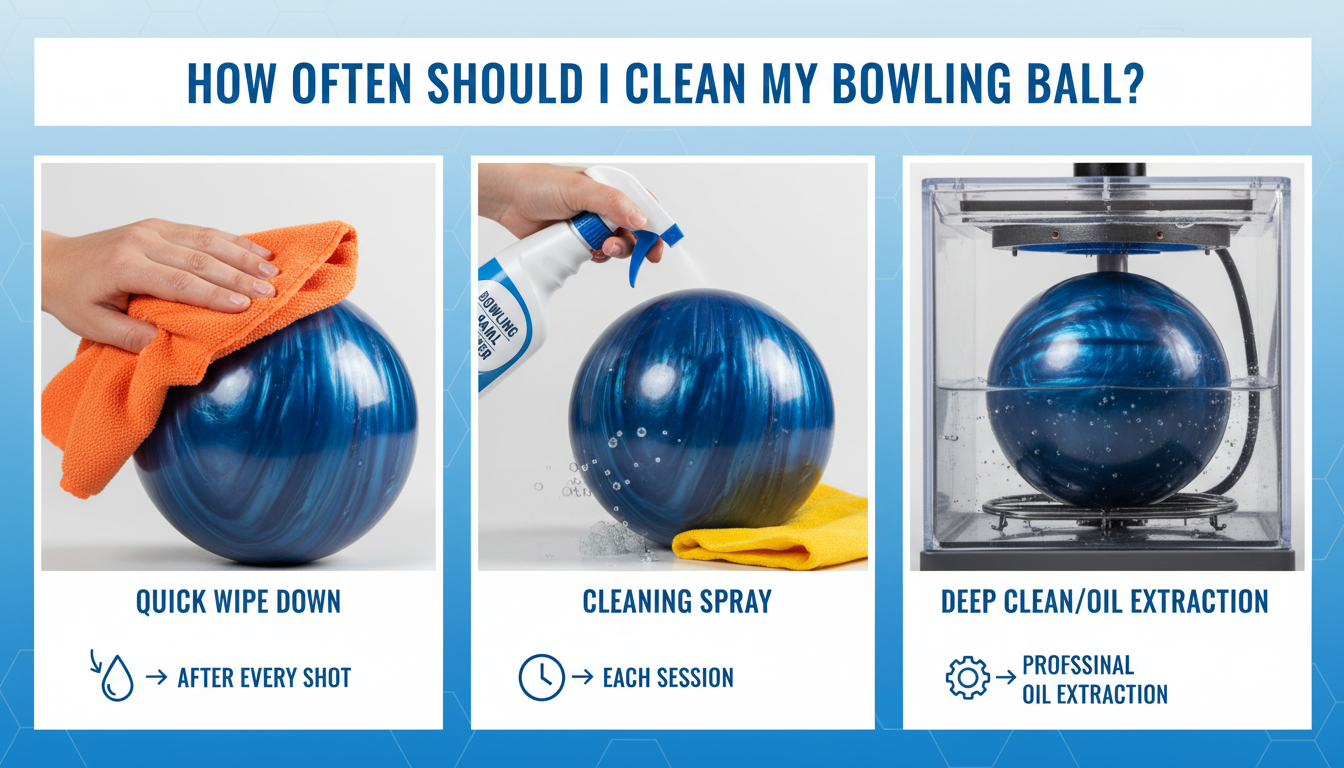
How Often & How Should I Clean My Bowling Ball?
How Often Should I Clean My Bowling Ball? Bowling balls are precision tools, and like [...]
Feb
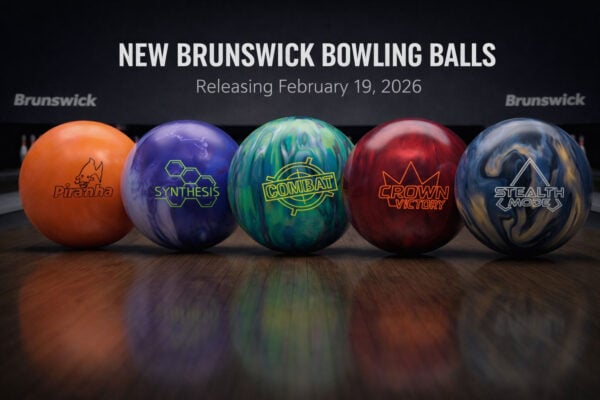
Brunswick Drops 5 New Bowling Balls for 2026: Complete Specs, Reviews & Comparisons
By BowlersMart Staff | Published February 16, 2026 | Updated February 19, 2026 Brunswick’s family [...]
Feb
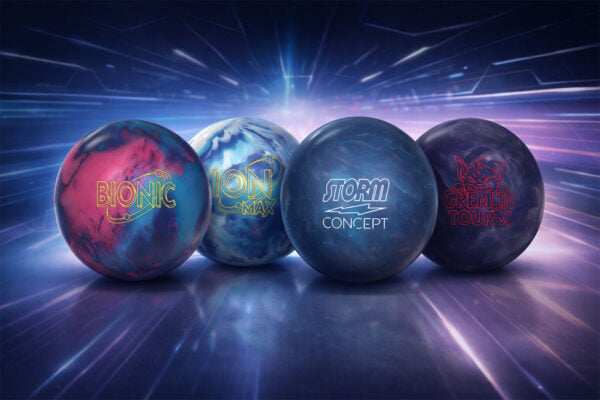
4 New Storm Bowling Balls for Spring 2026: Full Guide
Storm Products Inc. just loaded up bowlers’ bags for the spring 2026 season. Four new [...]
1 Comments
Feb

SWAG Just Released 6 New Performance Bowling Balls
SWAG Bowling released six new bowling balls on February 17, 2026: the Judgement Hybrid ($184.95), [...]
Feb
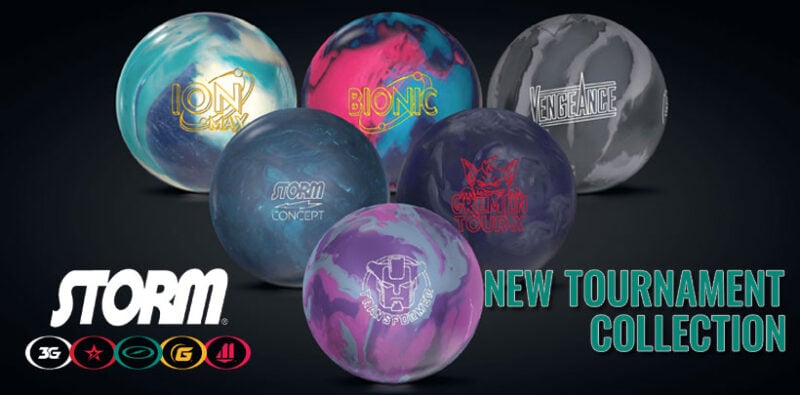
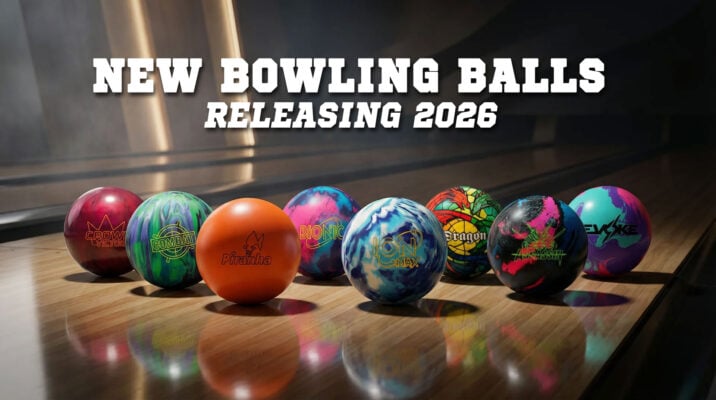
16 New Bowling Balls Available in 2026
*Last Updated March 14, 2026 | Updated Monthly with New Releases Thirty-one new bowling balls [...]
3 Comments
Jan

 Balls
Balls Shoes
Shoes Bags
Bags Accessories
 Apparel
 Deals
Deals
Thank you I will try this