











Basic Bowling Tips, Bowling How To's & Coaching Tips, Bowling Tips & Coaching Articles
Master Effective Bowling Practice: Break Through Plateaus
You practice bowling regularly, but your scores remain frustratingly stagnant. You throw game after game, focusing on your total pins, yet you can’t seem to break through to the next level. Meanwhile, you see other bowlers making noticeable improvements while seemingly practicing less than you do.
The problem isn’t your effort or dedication – it’s your practice strategy. Most bowlers treat practice like mini-competitions, obsessing over scores instead of systematically improving their technique. This approach creates busy work that feels productive but delivers minimal improvement.
This guide will transform your practice sessions from random score-chasing into focused skill development that produces measurable improvements. Learn the systematic approach that serious bowlers use to break through plateaus and achieve consistent advancement.

Master Effective Bowling Practice: Break Through Plateaus
Practice Purpose: Effective practice focuses on systematic skill development rather than score achievement, creating measurable improvements through targeted technique work.
Why Most Bowling Practice Fails to Produce Results
Many dedicated league bowlers become surprisingly complacent with their practice strategies, leading to stagnation despite regular effort. Understanding why traditional practice fails is the first step toward developing effective improvement systems.
The Score-Obsessed Practice Trap
The Problem
Bowlers fixate on scores during practice as if competing in high-stakes tournaments, missing opportunities for actual skill development.
The Solution
Practice should focus on technique analysis, skill refinement, and systematic improvement rather than immediate scoring results.
Mindset Shift: Effective practice believes that minor technique adjustments lead to vastly better performances, making time investment in proper practice organization worthwhile.
Breaking Down Counterproductive Practice Habits
Before building effective practice strategies, you must identify and eliminate the habits that prevent improvement. These common practice mistakes keep bowlers stuck in performance plateaus despite regular effort.
Overcoming Score-Focused Practice
Common Mistake: Treating every practice session like a league competition, focusing primarily on total pins and strike counts.
Better Approach: Focus on technique refinement, skill analysis, and systematic improvement over immediate scoring results.
Practical Application: Deliberately set up challenging spare scenarios or work specific angles rather than always aiming for strikes.
Moving Beyond Ball Reaction Obsession
Strategic Practice: Deliberately practice missing the pocket to avoid fixation on ball reactions and strike count.
Technique Focus: Use challenging targets to concentrate on specific technique elements rather than ball motion outcomes.
Skill Development: Practice spare shooting, challenging angles, and precise targeting to build comprehensive skills.
Eliminating Unfocused Practice Sessions
Ineffective Pattern: Throwing random shots without specific objectives or systematic improvement goals.
Structured Alternative: Each practice session should have clear objectives and measurable goals for specific technique elements.
Progress Tracking: Monitor improvement in targeted areas rather than relying on general “feel” or overall scores.
💡 Practice Revelation: Professional bowlers often practice by deliberately creating difficult situations – this forces technique focus over score focus and accelerates skill development.
Developing a Focused Practice Routine
Effective practice requires clear intention and systematic focus on specific areas that need improvement. This structured approach ensures each session contributes meaningfully to your overall bowling development.
The Systematic Improvement Framework
Step 1: Assessment: Identify core strengths and weaknesses in your game across all fundamental areas.
Step 2: Categorization: Break your game into fundamental components: approach, swing, balance, release, and finish position.
Step 3: Prioritization: Select the area requiring the most attention and dedicate focused practice time to that specific element.
Step 4: Progression: Master one key element before moving to the next, ensuring solid foundation building.
Core Bowling Components for Practice Focus
Approach & Footwork
Timing, balance, direction, and consistency of your approach steps and rhythm.
Swing & Release
Pendulum motion, timing coordination, and release point consistency for accurate ball delivery.
Balance & Finish
Body positioning, follow-through completion, and maintaining stability throughout delivery.
The One-Key Practice System
Focus Selection: Choose one essential key element that needs improvement rather than trying to fix everything simultaneously.
Dedicated Practice: Work exclusively on that element during practice until noticeable improvement occurs.
Progressive Advancement: Move to the next key element only when the current focus area shows consistent improvement.
Rapid Results: This systematic approach produces noticeable improvement in relatively short timeframes.
Expanding Your Practice Beyond Fundamentals
Once you’ve established solid fundamental technique through focused practice, expanding your practice scope helps develop competitive readiness and adaptability to various bowling conditions.
Advanced Practice Elements
Equipment Experimentation: Test different bowling ball equipment to understand how various balls affect your game and shot options.
Delivery Angles: Practice various delivery angles you might encounter in competitive situations or different lane conditions.
Condition Adaptation: Practice adjustments for different oil patterns, lane conditions, and competitive scenarios.
Comprehensive Development Strategy
Primary Focus Time
Dedicate 70% of practice time to your current key improvement area for maximum skill development impact.
Exploration Time
Use remaining 30% for equipment testing, condition practice, and exploring other game aspects for comprehensive improvement.
Competitive Preparation Through Practice
Scenario Practice: Create challenging spare combinations and pressure situations to simulate competitive bowling.
Mental Training: Practice maintaining focus and executing under simulated pressure to build competition readiness.
Adjustment Skills: Practice making quick adjustments to different conditions to develop adaptability during competition.
The Power of Practice Documentation
Systematic note-taking transforms random practice into measurable skill development. Documentation provides objective feedback, tracks progress, and creates a blueprint for continued improvement.
Developing Your Practice Plan
Regular Planning: Develop a consistent practice plan that outlines specific objectives for each session.
Session Notes: After each practice session, document observations about different areas of your performance.
Weak Spot Identification: Use notes to identify patterns and weak spots that require focused attention.
Effective Practice Documentation System
Session Objectives
Write specific goals before each practice session to maintain focus and measure achievement.
Progress Tracking
Document what worked, what didn’t, and specific observations about technique improvements.
Long-Term Development Benefits
Blueprint Creation: Notes provide a review blueprint before subsequent sessions, ensuring continuity in improvement efforts.
Steady Growth: Documentation ensures consistent progress monitoring and prevents regression in improved areas.
Goal Achievement: Written progress tracking maintains motivation and provides clear evidence of improvement over time.
🎯 Success Formula: Maintaining a practice-focused mindset with systematic documentation creates consistent improvement habits that continue working as you progress toward your bowling goals.
Sample Practice Plans for Different Focus Areas
These structured practice plans provide concrete examples of how to organize sessions around specific improvement objectives. Use these as templates and adapt them to your individual needs and skill level.
Approach and Timing Practice Session
Warm-up (10 minutes): 5 shots focusing only on approach rhythm without concern for pin results.
Main Practice (30 minutes): Practice consistent step timing using counting method, focusing on same rhythm every shot.
Application (15 minutes): Apply improved timing to spare shooting scenarios, noting consistency improvements.
Notes: Document timing issues observed, improvements felt, and areas needing continued focus.
Release and Follow-Through Session
Preparation (10 minutes): Shadow practice focusing on release motion and follow-through position.
Focused Work (35 minutes): Practice consistent release point and complete follow-through, targeting specific board combinations.
Assessment (10 minutes): Test improved release on challenging spare combinations to measure progress.
Documentation: Record release feel improvements, accuracy changes, and follow-through consistency.
Equipment and Condition Adaptation Session
Baseline (15 minutes): Establish baseline performance with primary equipment on current lane conditions.
Equipment Testing (25 minutes): Test different balls or delivery angles, noting ball motion differences.
Adjustment Practice (15 minutes): Practice making position adjustments based on observed ball reactions.
Analysis: Document equipment performance differences and effective adjustment strategies.
Essential Equipment for Effective Practice
Having the right tools enhances your practice effectiveness and helps you track improvements more precisely. Quality practice equipment is an investment in your skill development.
Practice-Enhancing Tools
Multiple Bowling Balls: Different ball options help practice various conditions and shot requirements during sessions.
Practice Notebook: Dedicated notebook for tracking objectives, observations, and progress over time.
Video Recording: Smartphone or camera for recording technique to review and analyze between sessions.
Final Thoughts
Transforming your practice from score-focused activity into systematic skill development is one of the most impactful changes you can make for your bowling improvement. The focused, documented approach outlined here has helped countless bowlers break through plateaus and achieve consistent advancement.
Remember, effective practice requires patience and discipline. Focus on one key element at a time, document your progress systematically, and trust the process. Small adjustments in technique, when practiced consistently, lead to dramatically better performances. Your investment in proper practice organization will pay dividends in both skill development and competitive success.
The difference between bowlers who plateau and those who continuously improve is their approach to practice. Implement these systematic strategies, maintain focus on technique over scores, and watch as your consistent improvement efforts transform into breakthrough performances.
More Bowling Improvement Resources

Storm Belmo Rocket AI: Jason Belmonte Debuts Mystery Ball at PBA Ohio Classic
By BowlersMart Staff · Published March 31, 2026 · Updated: March 31, 2026 Jason Belmonte [...]
1 Comments
Mar

Rookie Brandon Bonta Rolls 300 to Win PBA Players Championship 2026
📋 Quick Facts: 2026 PBA Players Championship | Stepladder Finals at the International Training and [...]
Feb
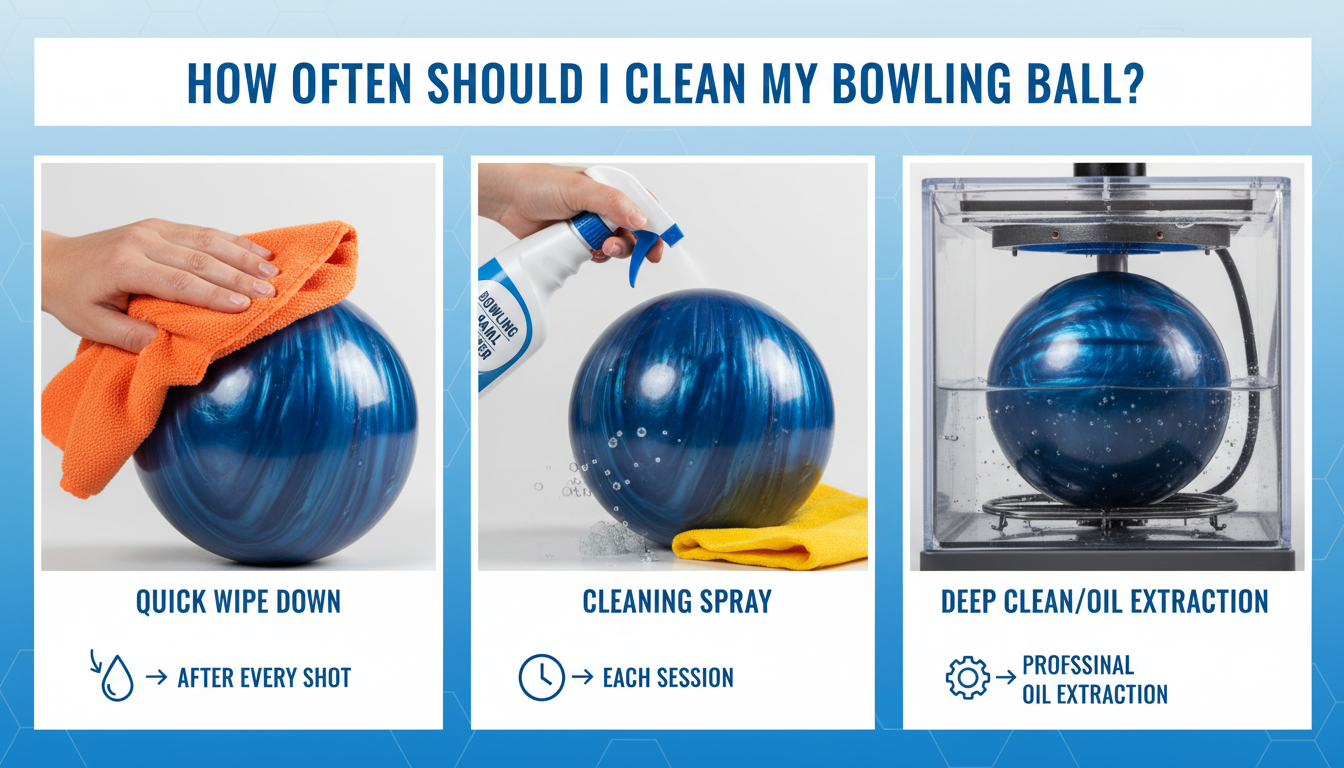
How Often & How Should I Clean My Bowling Ball?
How Often Should I Clean My Bowling Ball? Bowling balls are precision tools, and like [...]
Feb
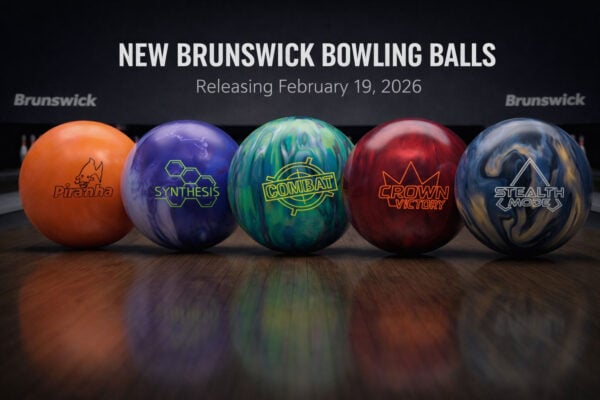
Brunswick Drops 5 New Bowling Balls for 2026: Complete Specs, Reviews & Comparisons
By BowlersMart Staff | Published February 16, 2026 | Updated February 19, 2026 Brunswick’s family [...]
Feb
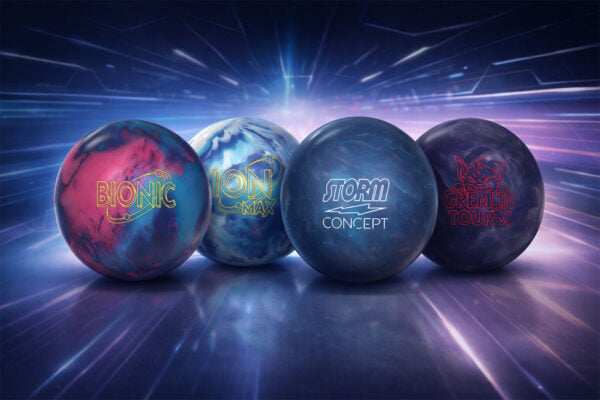
4 New Storm Bowling Balls for Spring 2026: Full Guide
Storm Products Inc. just loaded up bowlers’ bags for the spring 2026 season. Four new [...]
1 Comments
Feb

SWAG Just Released 6 New Performance Bowling Balls
SWAG Bowling released six new bowling balls on February 17, 2026: the Judgement Hybrid ($184.95), [...]
Feb
16 New Bowling Balls Available in 2026
*Last Updated March 14, 2026 | Updated Monthly with New Releases Thirty-one new bowling balls [...]
3 Comments
Jan
 Balls
Balls Shoes
Shoes Bags
Bags Accessories
 Apparel
 Deals
Deals