









Basic Bowling Tips, Bowling How To's & Coaching Tips, Bowling Tips & Coaching Articles, Buying Guides
Comprehensive Guide to Reactive Bowling Balls for New Bowlers
You’re standing in a pro shop surrounded by dozens of bowling balls, and the terminology is overwhelming. Solid reactive, pearl reactive, hybrid coverstock – the salesperson is speaking a technical language you don’t understand, but you know these differences matter for your performance on the lanes.
Understanding reactive coverstocks isn’t just about technical knowledge – it’s about unlocking your ball’s potential and dramatically improving your ability to score on different lane conditions. The right coverstock choice can be the difference between leaving frustrating corner pins and watching strikes crash through the pocket.
This comprehensive guide will demystify reactive coverstocks, showing you exactly how solid, pearl, and hybrid options perform differently and helping you choose the right ball technology for your bowling style and typical lane conditions.

Master Reactive Coverstocks: Solid, Pearl, and Hybrid Guide
Coverstock Purpose: Different reactive coverstock types (solid, pearl, hybrid) provide distinct ball motions optimized for specific lane conditions and bowling styles.
The Revolutionary Impact of Reactive Coverstock Technology
Utilizing different types of reactive coverstock bowling balls can greatly benefit your game by helping you navigate various lane conditions and maximizing your scoring potential. The advent of reactive resin technology revolutionized bowling, introducing highly aggressive coverstocks that dramatically changed how balls interact with lane surfaces.
How Reactive Technology Works
Oil Navigation
Reactive coverstocks allow balls to glide over oil patterns while maintaining energy for dramatic backend reactions.
Traction Control
The “tacky” sensation of reactive resin creates increased traction on dry backends for powerful pin action.
The Science Behind Reactive Performance
Resin Additives: While sharing base materials with urethane, reactive coverstocks incorporate specific resin additives that dramatically alter ball behavior.
Controlled Skid: Reactive balls deliver controlled skid distances in the front of the lane, preserving energy for backend motion.
Differential Response: These coverstocks react differently on oily versus dry parts of the lane surface, creating predictable motion patterns.
Revolutionary Impact: Understanding the distinctions between solid, pearl, and hybrid reactive coverstocks is crucial for selecting the right ball for specific lane conditions you encounter.
The Three Essential Reactive Coverstock Types
Modern reactive coverstocks fall into three main categories, each engineered for specific performance characteristics and lane conditions. Understanding these differences helps you make informed equipment decisions that match your bowling style and typical playing conditions.
Solid Reactive Coverstocks: Consistent Control and Early Hook
Microscopic Pore Structure: Solid reactive coverstocks possess the greatest number of microscopic reactive pores on the ball surface compared to other reactive types.
Surface Versatility: Available in polished or sanded finishes, with rubbing compound options to control surface friction levels precisely.
Higher Friction Coefficient: Compared to pearl coverstocks, solid reactive balls exhibit higher friction, causing earlier hook initiation down the lane.
Energy Management: Solid balls experience slight energy decrease as they navigate down the lane, resulting in controlled, predictable motion.
Solid Reactive Performance Characteristics
Break Point Behavior: As solid reactive balls transition from oil pattern to dry backend, their hook at the break point is generally less pronounced than pearl reactive balls.
Ideal Conditions: Solid reactive coverstocks excel on heavier oil conditions where controlled, predictable motion is more valuable than dramatic backend reaction.
Bowler Match: Perfect for bowlers who prefer smooth, controllable ball motion and play on oil-heavy lane conditions regularly.
Pearl Reactive Coverstocks: Explosive Backend Performance
Historical Innovation: Introduced in the early 1990s, pearl reactive coverstocks revolutionized bowling with resin or mica particle incorporation.
Microscopic Modification: Resin/mica additives alter microscopic pores, enabling bold front-end skid while retaining energy for powerful backends.
Lower Friction Coefficient: Compared to solid reactive balls, pearl coverstocks exhibit lower friction, resulting in minimal energy loss during lane travel.
Sharp Reaction: Pearl balls generate sharper reactions from break point to pocket, responding swiftly to high-friction lane sections.
Pearl Reactive Advantages
Unmatched Responsiveness: Pearl reactive balls offer superior responsiveness to different lane conditions, combining speed, hook potential, and effortless adaptability.
Energy Retention: Superior energy conservation through the front part of the lane creates dramatic backend reactions and pin carry.
Versatile Performance: Excellent choice for bowlers who encounter varying lane conditions and need adaptable ball motion characteristics.
Hybrid Reactive Coverstocks: Best of Both Worlds
Synergistic Design: Hybrid reactive coverstocks combine solid and pearl reactive technologies to maximize individual benefits of both coverstock types.
Dual-Phase Motion: Experience perfect blend of mid-lane reaction from solid characteristics with backend reaction from pearl properties.
Condition Adaptability: Dynamic combination ensures optimal performance across various oil conditions and lane patterns.
Front-End Control: Hybrid balls provide desired front-end glide on medium oil conditions while exhibiting pearl-like break point characteristics.
Hybrid Optimization Strategies
Surface Adjustment: Like pearl and solid reactive balls, hybrid coverstocks offer flexibility for surface texture adjustments to fine-tune performance.
Experimentation Benefits: We recommend experimenting with hybrid coverstock surface modifications to pinpoint ideal ball-switching moments.
Strategic Advantage: Surface experimentation enhances overall game strategy by identifying optimal usage windows for maximum scoring potential.
💡 Selection Strategy: The key to coverstock success is matching the ball’s characteristics to your typical lane conditions and bowling style – not just choosing the newest or most expensive option.
Explore Our Reactive Coverstock Selection
Each coverstock type offers distinct advantages for different bowling situations. Browse our comprehensive selection to find balls that match your playing style and lane conditions.
Solid Reactive Bowling Balls
Pearl Reactive Bowling Balls
Hybrid Reactive Bowling Balls
Matching Coverstocks to Lane Conditions
Understanding how different reactive coverstocks perform on various lane conditions is essential for making informed ball selection decisions that optimize your scoring potential.
Lane Condition Performance Guide
Heavy Oil Conditions
Best Choice: Solid Reactive
Provides controlled motion and predictable break point behavior on oil-heavy patterns.
Medium Oil Conditions
Best Choice: Hybrid Reactive
Delivers front-end control with backend reaction for versatile performance on medium patterns.
Light Oil/Dry Conditions
Best Choice: Pearl Reactive
Maximizes energy retention for explosive backend reactions on shorter oil patterns.
Bowling Style Considerations
High Rev Bowlers: Often prefer solid reactive for control, or pearl reactive on heavier oil to prevent over-reaction.
Medium Rev Bowlers: Hybrid reactive provides excellent versatility for varying conditions and consistent performance.
Lower Rev Bowlers: Pearl reactive helps maximize backend reaction and pin carry on most lane conditions.
Surface Management and Maintenance Strategies
All reactive coverstocks can be modified through surface adjustments to fine-tune performance characteristics. Understanding surface management helps you optimize your equipment for changing conditions.
Surface Modification Options
Sanded Finishes: Lower grit numbers (500-1000) create more surface texture for earlier hook and increased oil handling capability.
Polished Finishes: Higher grit numbers (2000-4000) with polish create longer skid distance and more backend reaction.
Compound Applications: Various compounds can fine-tune surface characteristics between sanded and polished extremes.
Maintenance Best Practices
Regular Cleaning
Maintain reactive coverstock performance through regular cleaning to remove oil absorption and restore surface characteristics.
Professional Service
Work with pro shop professionals to establish scheduled maintenance procedures and surface adjustment strategies.
Surface Strategy Development
Condition Adaptation: Learn to modify surface texture based on lane conditions you encounter most frequently.
Performance Tracking: Document how different surface preparations affect ball motion and scoring on various lane patterns.
Professional Guidance: Collaborate with pro shop operators to develop surface strategies that match your bowling style and typical conditions.
Professional Guidance for Coverstock Selection
Making the right coverstock choice requires understanding your bowling style, typical lane conditions, and performance goals. Professional guidance ensures you select equipment that enhances rather than hinders your game development.
Working with Pro Shop Professionals
Entry Level Consultation: New bowlers should discuss their needs with pro shop operators or certified instructors before making coverstock decisions.
Condition Matching: The primary goal is matching coverstock characteristics to lane conditions where you bowl most frequently.
Surface Strategy Education: Pro shop professionals can share valuable information about ball surface strategies and optimization techniques.
Ongoing Equipment Management
Maintenance Planning: Establish scheduled maintenance procedures with your pro shop to keep equipment performing optimally.
Performance Monitoring: Work with professionals to track how coverstock choices affect your scoring and consistency.
Arsenal Development: Plan future ball additions that complement your existing coverstock choices for comprehensive lane condition coverage.
Investment Protection
Long-Term Value
Professional guidance helps ensure your coverstock investment delivers maximum performance value over its entire lifespan.
Mistake Prevention
Expert consultation prevents costly coverstock selection mistakes that could hinder your bowling development and enjoyment.
Final Thoughts
Understanding reactive coverstock technology is essential for any serious bowler looking to optimize their equipment performance. Whether you choose solid reactive for controlled consistency, pearl reactive for explosive backend power, or hybrid reactive for versatile adaptability, the key is matching coverstock characteristics to your bowling style and typical lane conditions.
Remember that coverstock selection is just the beginning – proper surface management, regular maintenance, and professional guidance ensure your investment continues delivering peak performance. Take advantage of pro shop expertise to develop a comprehensive equipment strategy that supports your bowling goals and adapts to changing conditions throughout your bowling journey.
The reactive coverstock revolution transformed bowling forever, giving every bowler access to ball technology that can dramatically improve performance. Master these fundamental concepts, work with professionals for guidance, and choose coverstock technology that unlocks your full potential on the lanes.
Explore More Bowling Ball Technology

AMF Gets a New Look: What Lucky Strike’s Brand Refresh Means for League Bowlers
By Brian Halstrom, BowlersMart Editorial Team | Published July 2026 The AMF name is not [...]
Jul

SWAG Bowling Drops 6 New Balls for July 2026
By Brian Halstrom, BowlersMart Editorial Team | July 2026 SWAG Bowling’s July 2026 drop is [...]
Jul
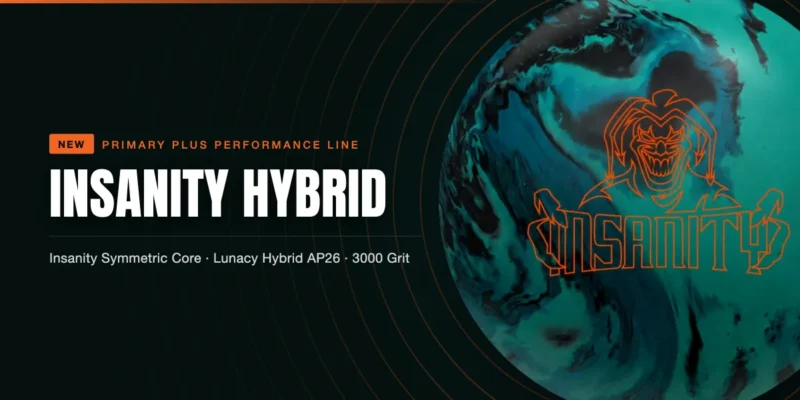
SWAG Insanity Hybrid Bowling Ball Review: A Brand-New Core for the Value Line, in Every Weight
By Brian Halstrom, BowlersMart Editorial Team. Specs on this page are verified against SWAG’s official [...]
Jul

SWAG Insanity Pearl Bowling Ball Review: Clean Fronts, Crisp Backend, in Every Weight
By Brian Halstrom, BowlersMart Editorial Team. Specs on this page are verified against SWAG’s official [...]
Jul
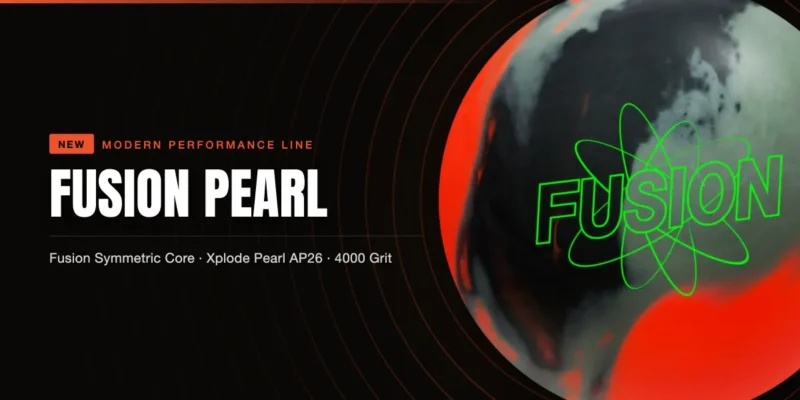
SWAG Fusion Pearl Bowling Ball Review: The Fusion Family’s First Pearl, Sanded for Control
By Brian Halstrom, BowlersMart Editorial Team. Specs on this page are verified against SWAG’s official [...]
Jul

SWAG Unknown Solid Bowling Ball Review: The New Benchmark of the Utility Line
By Brian Halstrom, BowlersMart Editorial Team. Specs on this page are verified against SWAG’s official [...]
Jul
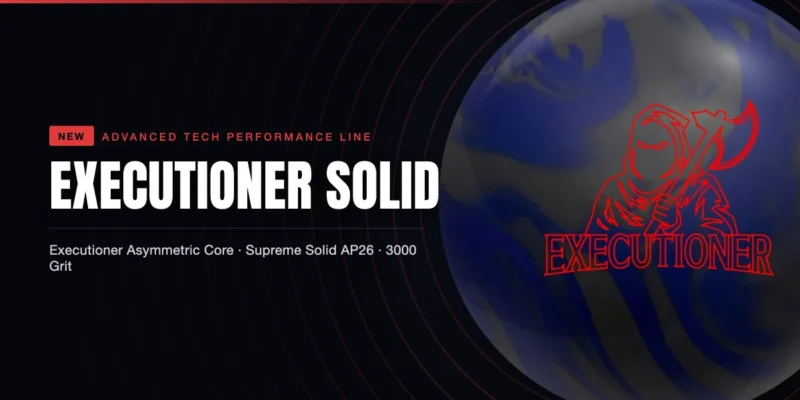
SWAG Executioner Solid Bowling Ball Review: The Strongest Ball SWAG Has Ever Built
By Brian Halstrom, BowlersMart Editorial Team. Specs on this page are verified against SWAG’s official [...]
Jul
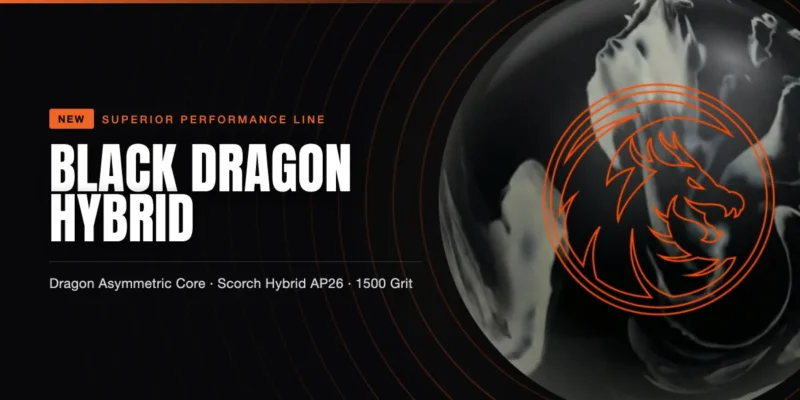
SWAG Black Dragon Hybrid Bowling Ball Review: The Dragon Line’s First Hybrid
By Brian Halstrom, BowlersMart Editorial Team. Specs on this page are verified against SWAG’s official [...]
Jul
 Balls
Balls Shoes
Shoes Bags
Bags Accessories
 Apparel
 Deals
Deals
Pingback: What Are Bowling Balls Made Of? - Stars and Strikes