Bowling Ball Cover Research Center
Understanding Bowling Ball Coverstocks: Your Connection to the Lane
The coverstock is your bowling ball’s outer shell – the part that directly contacts the lane surface. While the core determines ball motion characteristics, the coverstock controls how your ball reacts to oil patterns and lane conditions.
Why Coverstock Technology Matters
Different coverstock materials and surface finishes create dramatically different ball reactions. Understanding coverstock types helps you choose equipment that performs optimally on the specific lane conditions you face most often.
Key Coverstock Factors:
Coverstock Categories Explained
There are four main categories of bowling ball coverstocks, each designed for different lane conditions and performance characteristics.
Coverstock technology determines how your ball reacts to lane conditions
Types of Bowling Ball Coverstocks
Choose the right coverstock material to match your lane conditions and desired ball reaction
Plastic/Polyester Coverstocks: Straight and True
Plastic coverstocks provide minimal friction and hook potential, making them ideal for spare shooting and straight ball deliveries.
Plastic Coverstock Characteristics:
- Minimal oil absorption – Consistent reaction regardless of lane conditions
- Low friction coefficient – Travels straighter with minimal hook
- Excellent durability – Resistant to wear and lane damage
- Predictable ball path – Easy to target specific pin locations, great for spare balls
- Budget-friendly option – Most affordable coverstock material
Best For:
Spare shooting, beginner bowlers, very dry lane conditions, and bowlers who prefer straight ball deliveries. Essential for every bowler’s arsenal.
Popular Plastic Ball Examples:
Storm Ice Storm, Brunswick T-Zone, Hammer Black Widow Spare, Columbia 300 White Dot, and most entry-level bowling balls.
Urethane Coverstocks: Controlled Hook Potential
Urethane provides moderate friction and hook potential with excellent control and predictability, making it perfect for medium oil conditions and precision shotmaking.
Urethane Coverstock Characteristics:
- Moderate oil absorption – Consistent reaction on medium oil patterns
- Smooth, arcing hook – Gradual, predictable ball motion
- Excellent pin carry – Drives through pins with authority on the right conditions
- Tournament favorite – Legal in competitive play (check your league or tournament rules & regulations)
- Versatile surface options – Works well sanded or polished
Best For:
Sport bowling, tournament play, medium oil conditions, bowlers wanting controlled hook, and situations requiring precise ball placement and timing.
Popular Urethane Ball Examples:
Storm Pitch Black, Brunswick U-Motion, Hammer Purple Pearl Urethane, Track Tactix, and other modern urethane formulations.
Reactive Resin Coverstocks: Versatile Performance
Reactive resin offers the perfect balance of hook potential and control, making it the most popular coverstock choice for recreational and competitive bowlers alike.
Reactive Resin Characteristics:
- Strong backend reaction – Aggressive hook in the backend
- Excellent oil absorption – Adapts to changing lane conditions
- High strike potential – Creates powerful pin action
- Wide condition range – Effective on light to heavy oil
- Surface adjustable – Performance tunable with surface changes
Best For:
Most league and recreational bowling, medium to heavy oil conditions, bowlers wanting strong backend reaction, and building a versatile bowling arsenal.
Reactive Resin Subcategories:
Solid Reactive: Earlier hook, more oil handling
Pearl Reactive: Length with strong backend
Hybrid Reactive: Combines solid and pearl characteristics
Particle/Hybrid Coverstocks: Maximum Traction
Particle and advanced hybrid coverstocks provide the ultimate in oil handling and traction, designed for the heaviest oil conditions and most demanding lane patterns.
Particle/Hybrid Characteristics:
- Maximum oil absorption – Handles the heaviest oil patterns
- Superior traction – Grips the lane like no other coverstock
- Consistent midlane read – Starts hooking earlier and stronger
- Advanced technology – Incorporates particles or nano-technology
- Tournament performance – Preferred for sport patterns
Best For:
Heavy oil conditions, sport bowling patterns, tournament competition, high rev rate players, and situations requiring maximum hook potential and oil handling.
Advanced Coverstock Technologies:
Particle Technology: Microscopic particles for added traction
Nano Technology: Molecular-level surface enhancement
Hybrid Formulations: Multiple technologies combined
Understanding Surface Finishes
Surface preparation is just as important as coverstock material – learn how grit levels affect ball performance
Rough Sanded (500-1000 grit)
Early hook, maximum oil handling
Best for: Heavy oil, sport patterns
Medium Sanded (2000-3000 grit)
Balanced reaction, versatile performance
Best for: Medium oil, league play
Fine Sanded (4000+ grit)
Length with controlled backend
Best for: Light oil, dry lanes
Polished
Maximum length, sharp backend
Best for: Dry conditions, longer patterns
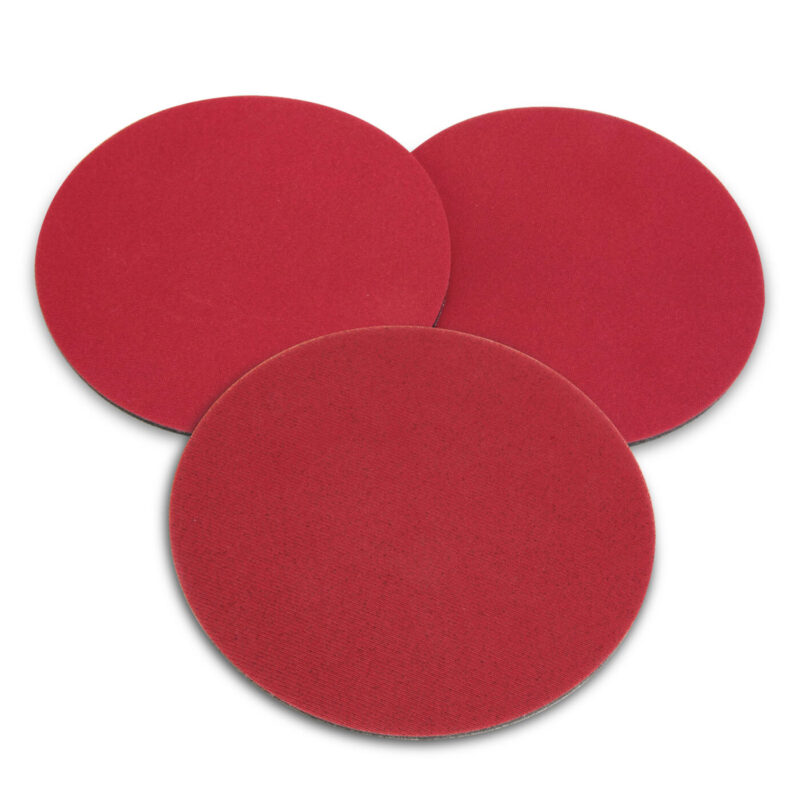
recommended surface adjustment productsShop All Surface Management Products
How to Choose the Right Coverstock
Select the perfect coverstock based on your typical lane conditions, playing style, and performance goals.
For Dry Lane Conditions:
Choose plastic for spares or polished reactive resin for strikes. Avoid aggressive coverstocks that will hook too early and lose energy.
For Medium Oil Conditions:
Urethane or sanded reactive resin work best. These provide good traction without being too aggressive for the oil volume.
For Heavy Oil Conditions:
Solid reactive resin or particle coverstocks cut through oil best. Surface preparation becomes critical for optimal performance.
For Sport/Challenge Patterns:
Advanced hybrid or particle coverstocks with appropriate surface prep. Match coverstock aggressiveness to pattern difficulty.
Coverstock FAQ – Common Questions
Q: Can I change my ball’s surface finish myself?
A: Yes! Surface changes are one of the most effective ways to tune ball reaction. Use proper bowling ball cleaners and abralon pads or polish.
Q: How often should I resurface my bowling ball?
A: Depends on usage, but most bowlers benefit from resurfacing every 60-80 games or when ball reaction becomes inconsistent.
Q: What’s the difference between solid and pearl reactive?
A: Solid reactive hooks earlier and handles more oil. Pearl reactive provides length with sharp backend reaction. Hybrid combines both characteristics.
Why Bowlers Trust Our Coverstock Research
Comprehensive, accurate, and regularly updated coverstock information
Complete Coverage
Detailed information on all coverstock types from plastic to advanced particle technology.
Surface Finish Guide
Expert guidance on grit levels, polishing, and surface preparation techniques.
Performance Analysis
Real-world testing data and performance characteristics for informed decisions.
Expert Support
Access to certified pro shop operators and coverstock specialists for personalized advice.