









Basic Bowling Tips, Bowling How To's & Coaching Tips, Bowling Tips & Coaching Articles, Michael Cousins Bowling Blog, Physical Game Tips
How Do I Make My Bowling Ball Hook More?
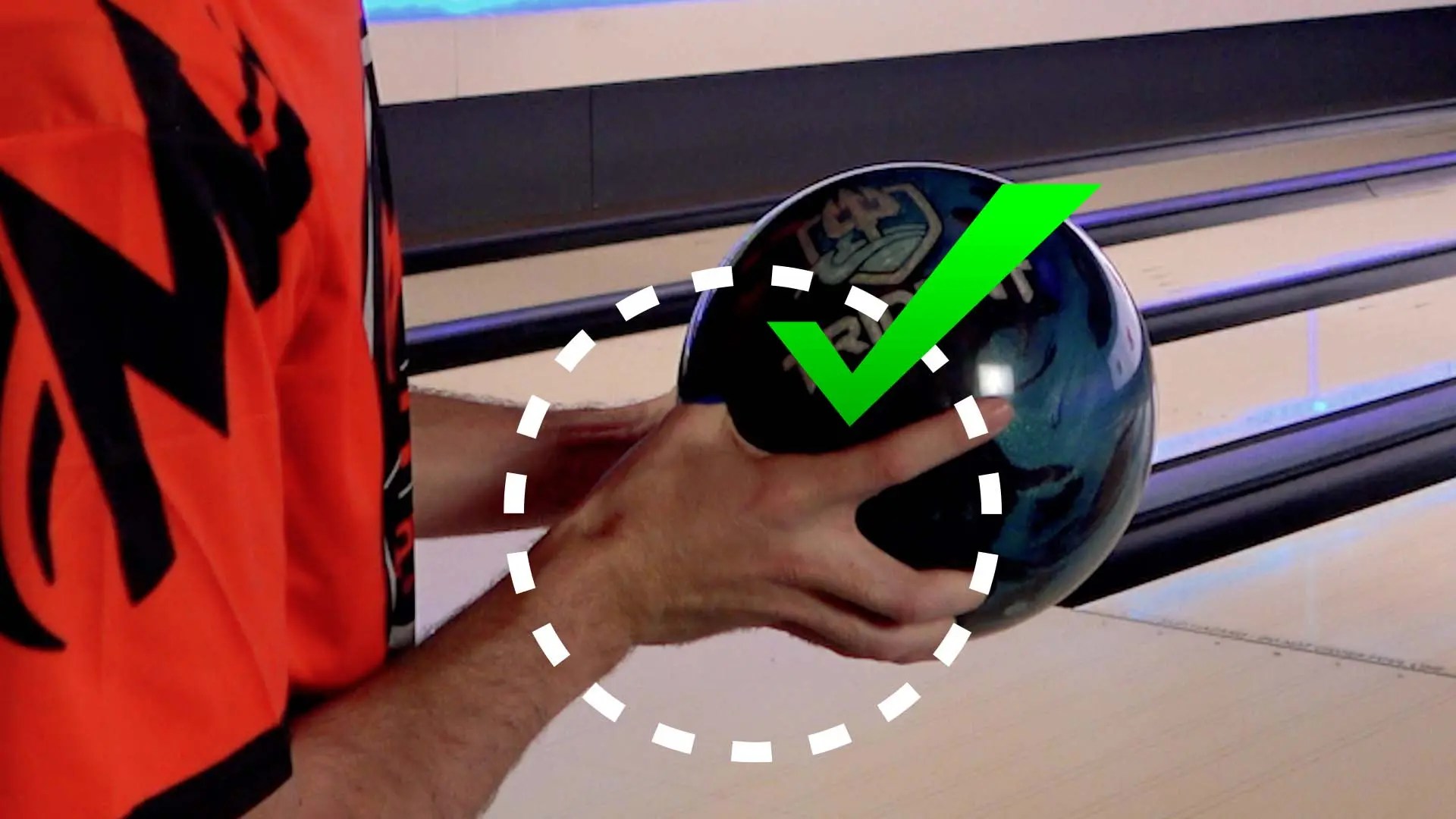
“My ball isn’t hooking enough!” It’s the most common complaint we hear in pro shops across the country. You bought an aggressive ball, maybe even copied a pro’s layout, but you’re still not seeing the hook you expected.
Here’s the truth: there’s no such thing as “hook in a box.” The amount your ball hooks depends on much more than just the equipment you’re throwing.
Let’s break down the real factors that control ball hook and give you practical solutions that actually work – starting with the fundamentals that matter most.
How to Make Your Bowling Ball Hook More: The Complete Guide
The Reality Check: Ball hook is determined by rev rate, ball speed, axis rotation, release technique, and lane conditions – not just the equipment you’re using.
Understanding the True Hook Equation
Before we dive into solutions, you need to understand what actually creates ball hook. It’s not magic – it’s physics, and every factor plays a crucial role.
The Five Factors That Control Hook
1. Revolution Rate (RPM)
Impact: 70% of total hook potential
Average Bowler: 250-350 RPM
Pro Bowlers: 400-600+ RPM
The Reality: This is why pros’ balls hook so much more than yours
2. Ball Speed
Impact: Inverse relationship with hook
Sweet Spot: 15-17 mph for most bowlers
Too Fast: Ball skids past the breakpoint
Too Slow: Ball hooks early and loses energy
3. Axis Rotation
Optimal: 45-60 degrees
Effect: Determines hook shape and timing
4. Axis Tilt
Typical: 10-20 degrees
Effect: Controls track flare and length
5. Equipment
Impact: 20-25% of total motion
Reality: Can’t overcome poor fundamentals
⚠️ The Hard Truth: If you’re only generating 250 RPM and throwing 20+ mph, no ball or layout will make you look like Jason Belmonte. Physics doesn’t work that way.
Technical Solutions to Increase Hook
Now that you understand what really creates hook, let’s work through practical solutions in order of their potential impact on your game.
Solution 1: Optimize Your Release (Biggest Impact)
Generating More Revolution
This is where you’ll see the biggest improvement in hook potential. Small increases in rev rate create dramatic changes in ball motion.
Finger Release Technique: Stay behind the ball longer, release with fingers coming around the side
Wrist Position: Firm, slightly cupped wrist position throughout the swing
Follow Through: Finish with hand rotating toward your target, palm facing up
Common Mistake: Trying to “turn” the ball with your wrist instead of using proper finger release
Practice Drill: Practice releasing the ball with your fingers coming around the side while maintaining a firm wrist position. Start slowly and gradually increase speed as the motion becomes natural.
Finding Your Optimal Speed
Most bowlers throw too fast, which reduces the ball’s ability to hook. Finding the right speed-to-rev ratio is crucial for maximum hook.
Target Range: 15-17 mph for most recreational bowlers to optimize hook potential
Speed Control: Use your approach tempo and release height to control speed, not arm force
Test Method: Reduce your speed by 1-2 mph and observe the hook increase
Warning: Too slow (under 13 mph) can cause early hook and reduced pin carry
Practice Approach: Work on a smooth, controlled approach that lets the ball swing naturally rather than forcing speed with your arm.
Optimizing Your Rotation
Proper axis rotation helps your ball transition from skid to hook to roll more effectively, creating more overall hook.
Optimal Range: 45-60 degrees of axis rotation for maximum hook potential
Hand Position: Stay more behind the ball at release, avoid getting too far around the side
Release Point: Release when your hand is between 4 and 5 o’clock position (right-handed)
Visual Check: Watch your ball’s track on the lane – it should show a clear rotation pattern without looking like it’s spinning sideways.
Equipment Solutions (When Technique Isn’t Enough)
Once you’ve optimized your technique, equipment changes can provide additional hook potential. But remember – equipment amplifies good technique, it doesn’t replace it.
Surface Adjustments (Easiest Equipment Fix)
Rough Up the Surface
Method: Take your ball to 1000-2000 grit finish
Effect: Earlier hook, more total hook, better oil penetration
Cost: $10-20 surface adjustment vs. $150+ new ball
Best For: Balls that aren’t hooking enough on medium oil
Progressive Surface Changes
Start Conservative: Try 2000 grit first, then go rougher if needed
Track Results: Test each surface change before going rougher
Reversible: You can always polish the ball back to original surface
Maintenance: Rougher surfaces need more frequent cleaning
Ball Selection for More Hook
Coverstock Priority: Solid reactive balls typically hook more than pearl or hybrid covers
Core Design: Higher differential cores (0.050+) create more track flare and hook potential
Asymmetric Cores: Can provide more angular motion and backend hook
Reality Check: A more aggressive ball won’t fix poor release technique or inappropriate ball speed
Layout Considerations (Smallest Impact)
Layouts make a difference, but it’s much smaller than most bowlers think – typically 20-25% of total ball motion.
Pin Position Impact: Most bowlers won’t notice the difference between layouts that are within 0.5-0.75 inches of each other
Bigger Differences: Extreme layouts (2″ vs 6″ pin) will show noticeable differences
Professional Consultation: Work with your PSO to determine if layout changes might help your specific situation
Troubleshooting: Why Your Ball Still Isn’t Hooking
If you’ve tried the above solutions and still aren’t seeing the hook you want, let’s diagnose the most common underlying issues.
Common Hook-Killing Problems
“I’m Throwing Too Hard”
Symptoms: Ball skids past your target, minimal hook movement
Solution: Slow down your approach, focus on smooth tempo
Test: Try reducing speed by 2-3 mph and watch hook increase
“I’m Getting Around the Ball”
Symptoms: Ball spins sideways, erratic motion
Solution: Stay behind the ball longer, release at 4-5 o’clock
Test: Focus on fingers coming up the back of the ball
“My Ball is Oil Soaked”
Symptoms: Ball that used to hook doesn’t anymore
Solution: Professional oil extraction and surface refresh
Test: Compare ball reaction before and after cleaning
“Wrong Ball for Conditions”
Symptoms: Inconsistent reaction, hooks early or late
Solution: Match ball strength to actual lane conditions
Test: Try different equipment for the same conditions
Professional Assessment Checklist
Video Analysis: Have someone record your release from the side to check hand position and timing
Speed/Rev Measurement: Get accurate measurements of your ball speed and rev rate
PAP Verification: Ensure your Positive Axis Point is accurately measured for proper layouts
Fit Check: Poor fit can prevent proper release and reduce hook potential
Setting Realistic Hook Expectations
Understanding what’s actually possible with your physical capabilities will save you money and frustration.
The Professional vs. Recreational Reality
Professional Bowlers
Rev Rate: 400-600+ RPM
Speed: 17-19 mph (optimized ratio)
Technique: Thousands of hours of practice
Conditions: Heavy oil sport patterns
Result: Dramatic hook potential
Recreational Bowlers
Rev Rate: 250-350 RPM typically
Speed: Often 16-20+ mph
Technique: Developing skills
Conditions: House shots with less oil
Result: Moderate hook potential
Achievable Improvement Goals
Realistic Improvement: 50-100 RPM increase through proper coaching and practice
Speed Optimization: Finding your personal sweet spot for maximum hook without losing control
Equipment Matching: Using balls that maximize your natural abilities rather than fighting them
⚠️ Reality Check: If you’re generating 250 RPM at 20 mph, no equipment will make you hook like someone with 500 RPM at 17 mph. Work within your capabilities.
Effective Practice Strategies for More Hook
Increasing hook requires deliberate practice focused on the fundamentals that actually matter. Here’s how to practice effectively.
Progressive Practice Plan
Foundation Building
Start with the fundamentals that create the biggest impact on hook potential.
Drill 1: Practice staying behind the ball longer – hand should be at 6 o’clock at release
Drill 2: Work on firm wrist position throughout the entire swing
Drill 3: Focus on fingers coming around the side of the ball at release
Practice Time: 15-20 minutes per session, focusing purely on release mechanics
Success Metric: Consistent finger release without forcing or over-turning
Optimizing Ball Speed
Once your release is consistent, work on finding your optimal speed for maximum hook.
Drill 1: Practice throwing 2-3 mph slower than your normal speed
Drill 2: Work on smooth, controlled approach tempo
Drill 3: Focus on letting the ball swing naturally rather than forcing speed
Practice Time: 20-30 minutes working on speed consistency
Success Metric: Controlled speed that allows for maximum hook without losing accuracy
Putting It All Together
Combine improved release and speed control for consistent, repeatable hook.
Drill 1: Practice complete shots focusing on release and speed together
Drill 2: Work on repeating your best shots consistently
Drill 3: Test your improvements on different lane conditions
Practice Time: Full practice sessions incorporating new technique
Success Metric: Consistent hook with improved carry and pin action
Busting Common Hook Myths
Let’s clear up the misconceptions that prevent bowlers from making real improvements to their hook.
Separating Fact from Fiction
“I Need a More Aggressive Ball”
The Myth: A stronger ball will automatically create more hook
The Reality: Equipment amplifies technique – poor technique with strong equipment often makes things worse
“Layout Makes All the Difference”
The Myth: The perfect layout will solve hook problems
The Reality: Layout accounts for about 20-25% of ball motion – technique matters much more
“I Should Copy Pro Layouts”
The Myth: Using the same layout as pros will give similar results
The Reality: Pros have different rev rates, speeds, and conditions than recreational bowlers
“More Hook Always Equals Higher Scores”
The Myth: Maximum hook is always the goal
The Reality: Controllable, predictable hook that matches conditions is more important than maximum hook
Smart Investment Priorities for Better Hook
If you’re going to spend money to improve your hook, here’s how to get the biggest return on your investment.
Priority Investment Order
1st Priority
Coaching/Lessons
Cost: $50-100 per lesson
Impact: Highest – fixes fundamental technique issues
ROI: Immediate improvement in hook and scores
2nd Priority
Surface Adjustments
Cost: $10-20 per adjustment
Impact: Moderate – optimizes existing equipment
ROI: Quick improvement for small cost
3rd Priority
New Equipment
Cost: $150-300+ per ball
Impact: Variable – only helps if technique is sound
ROI: Depends on whether it addresses real needs
Cost-Benefit Analysis
Best Value: One lesson addressing release technique will improve hook more than any equipment purchase
Quick Wins: Surface adjustments can dramatically improve existing equipment performance
Equipment Reality: New balls help most when you’ve maximized your technique and current equipment
💰 Money-Saving Truth: Most bowlers will see bigger improvements from $50 worth of lessons than $200 worth of new equipment.
The Path to Consistent, Effective Hook
The truth about bowling ball hook is simple: it’s created primarily by your release technique, ball speed, and rev rate – not by the equipment you’re using. While the right ball can help, it can’t overcome poor fundamentals.
If you’re frustrated with your ball’s hook, start with your technique. Get your rev rate measured, work on your release, and optimize your ball speed. These changes will have a much bigger impact than any equipment purchase.
Remember: there’s no such thing as “hook in a box.” The hook you see on TV comes from years of practice, proper technique, and physical capabilities that most recreational bowlers simply don’t have. Work with what you’ve got and focus on steady improvement rather than dramatic transformations.
Invest in coaching before equipment. Perfect your fundamentals before chasing the latest technology. Your scores – and your wallet – will thank you.
Remember, every order includes free shipping and our 60-day return policy, so you can shop with confidence when you do decide it’s time for new equipment!
Happy bowling! 🎳
💎 Join Our Striking Rewards Program
Earn points on every purchase and unlock exclusive discounts when you’re ready for new equipment!
 Balls
Balls Shoes
Shoes Bags
Bags Accessories
 Apparel
 Deals
Deals