








Basic Bowling Tips, Bowling How To's & Coaching Tips, Bowling Tips & Coaching Articles, Buying Guides, MDM Coaching with Mike Moore
Conventional Grip VS Finger Tip Grip Bowling Ball Drilling By MDM Bowling Coaching
Standing at the pro shop counter, you’re faced with a decision that could transform your entire bowling game. Should you stick with the familiar feel of a conventional grip, or take the leap to fingertip and unlock the hooking potential you’ve been dreaming about?
This choice between bowling ball grips isn’t just about comfort—it’s about your bowling future. The right grip can mean the difference between rolling straight balls down the middle and throwing devastating hooks that carry strikes with authority.
In this comprehensive guide, you’ll discover exactly when to make the switch from conventional to fingertip, how each grip affects your ball reaction, and expert insights on fitting methods that could revolutionize your approach to the lanes.
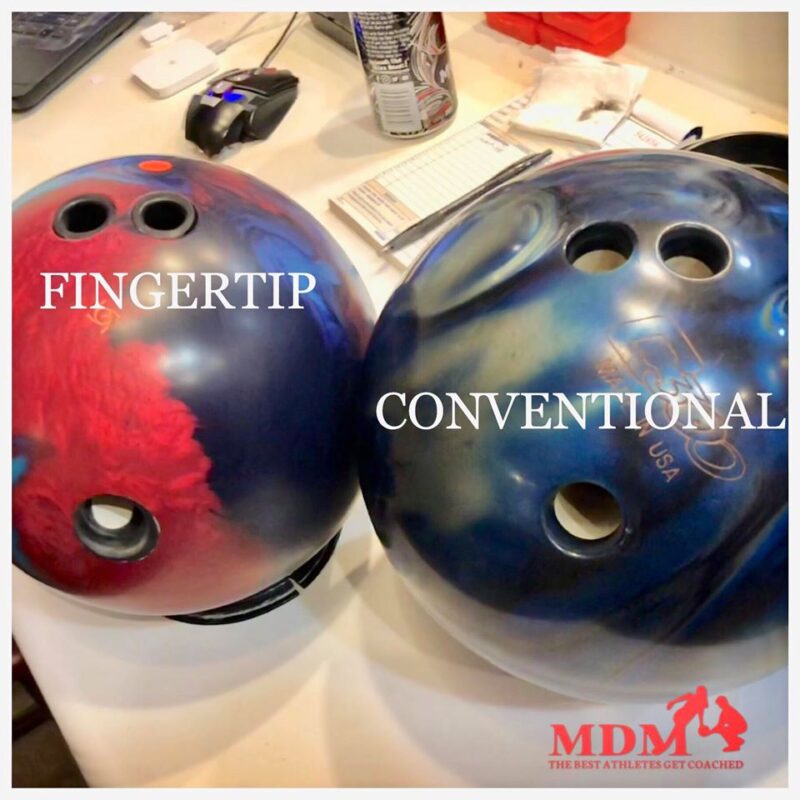
Fingertip vs Conventional Grip: Which Bowling Ball Fit Transforms Your Game
Grip Selection Purpose: Choosing the right grip determines your control level, hook potential, and overall progression as a bowler—making it one of the most critical equipment decisions you’ll make.
Conventional Grip: The Foundation Builder
Almost every successful bowler starts their journey with conventional grip, and there’s a reason this time-tested approach remains the gold standard for beginners and developing players.
What Makes Conventional Grip Different
Deep Finger Placement
Your middle and ring fingers penetrate all the way to the second set of knuckles, providing maximum grip security.
Enhanced Control
More finger in the ball means greater initial control, especially crucial when learning proper footwork and timing.
Technical Characteristics
Release Timing: Thumb and fingers exit simultaneously, limiting rotation potential
Ball Motion: Produces minimal hook with straighter, more predictable ball paths
Learning Advantage: Allows focus on fundamentals without worrying about complex ball reactions
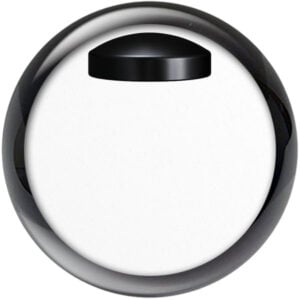
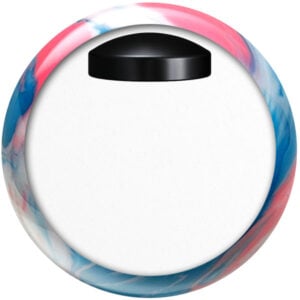





Fingertip Grip: Unleashing Hook Potential
When you’re ready to step up your game and learn the art of hooking the bowling ball, fingertip grip becomes your gateway to advanced scoring potential and competitive bowling success.
The Fingertip Advantage
First Knuckle Depth
Positioning: Fingers only penetrate to the first knuckle joint
Extended Release
Timing: Fingers stay in the ball longer after thumb exits
Increased Leverage
Physics: Hand spread creates more rotation and rev rate
Performance Benefits
Hook Generation: Creates the rotation needed for balls to curve and hit the pocket at angle
Pin Carry: Angular entry angle maximizes strike potential and pin action
Competitive Edge: Standard among league and tournament bowlers for scoring advantage

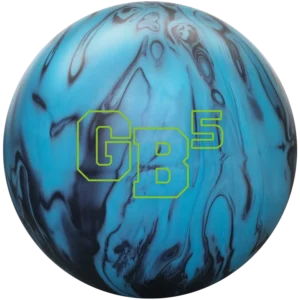
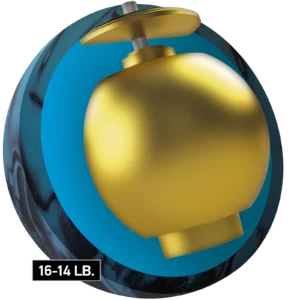
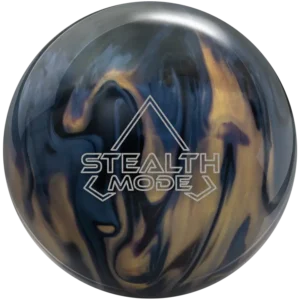


When to Choose Each Grip Style
The decision between conventional and fingertip isn’t just about personal preference—it’s about matching your grip to your current skill level, goals, and physical capabilities.
Who Should Choose Conventional
Absolute Beginners: Learning basic fundamentals like footwork, timing, and targeting
Recreational Bowlers: Those who bowl occasionally and prefer simple, predictable ball motion
Physical Limitations: Bowlers with hand injuries or grip strength issues who need maximum control
Conventional grip allows you to build confidence and master the basics without the complexity of hook ball management.
Who Should Choose Fingertip
Progressing Bowlers: Those who have mastered fundamentals and want to learn hooking techniques
League Players: Competitive bowlers seeking higher scores and better pin carry
Serious Students: Bowlers committed to developing advanced techniques and ball control
Fingertip is the natural progression for bowlers ready to unlock their scoring potential through strategic ball motion.
When to Make the Transition
Consistent Fundamentals: When your footwork, timing, and release are reliable
Scoring Plateau: When straight ball bowling limits your strike potential
Competitive Goals: When you’re ready to join leagues or tournaments
The switch should happen when fundamentals are solid, not as a shortcut to better scores.
💡 Pro Tip: Don’t rush the transition to fingertip. Master your fundamentals with conventional grip first—it creates a stronger foundation for advanced techniques later.
Special Fitting Considerations and Alternatives
Not every bowler fits the standard conventional-to-fingertip progression. Understanding alternative approaches helps ensure the best possible fit for your unique situation.
Two-Handed Bowling Considerations
Conventional Preference
Expert Recommendation: Many successful two-handers use conventional grip
Wrist Support: Allows better ball support and control during the approach
Proven Success: Jason Belmonte and Osku Palermo both use conventional fitting
Fingertip Option
Alternative Approach: Some two-handers prefer fingertip grip
Player Example: Kyle Troup successfully uses fingertip
Individual Choice: Depends on comfort and natural release style
Sarge Easter Grip: The Hybrid Solution
What It Is: Hybrid approach with ring finger conventional and middle finger fingertip
Best For: Bowlers with hand injuries who need pressure relief but want some hook potential
Recommendation: Only suggested for specific injury situations, not general use
The Importance of Professional Fitting
Choosing between conventional and fingertip is just the beginning. Working with a qualified Pro Shop Operator (PSO) ensures your grip choice translates into optimal performance and comfort.
Why Professional Fitting Matters
Individual Assessment
Every hand is different—PSOs evaluate your specific anatomy and bowling style
Proper Measurements
Precise hole sizing and positioning prevent injury and optimize performance
Ongoing Support
Relationships with PSOs provide long-term fitting adjustments as your game evolves
Find Your PSO: Visit a BowlersMart location to work with certified professionals who understand both conventional and fingertip fitting techniques.
Common Misconceptions About Bowling Grips
Debunking Popular Myths
“Fingertip is Always Better”
Reality: Conventional grip is often better for building fundamentals and may be optimal for some bowlers long-term.
“You Must Switch Eventually”
Reality: Many successful bowlers stick with conventional throughout their careers based on their style and goals.
“Fingertip Guarantees More Strikes”
Reality: Hook potential doesn’t automatically equal higher scores—technique and lane reading matter more.
Why Understanding Grip Choices Helps New Bowlers
Even if you’re just starting out, understanding the difference between conventional and fingertip grips helps you make informed decisions about your bowling journey and equipment investments.
Key Benefits for Developing Bowlers
Clear Progression Path: Understanding both grips helps you plan your skill development journey
Equipment Investment: Knowing when to switch helps you time equipment purchases effectively
Realistic Expectations: Understanding grip limitations prevents frustration with ball performance
Final Thoughts
The choice between conventional and fingertip grip isn’t just about equipment—it’s about understanding where you are in your bowling journey and where you want to go. Both grips have their place in bowling, and the best choice depends on your current skill level, physical capabilities, and long-term goals.
Remember that developing a relationship with your Pro Shop Operator is crucial for making the right grip decision. They can assess your individual needs and ensure whatever grip you choose is fitted properly for optimal performance and comfort.
Whether you choose conventional for its control and simplicity or fingertip for its hook potential, the most important thing is that your grip supports your bowling goals and feels comfortable in your hand. Take your time with this decision—your future strikes depend on it.
Featured Bowling Balls for Your Grip Style
More MDM Coaching Articles You May EnjoyClick Here To See More MDM Articles
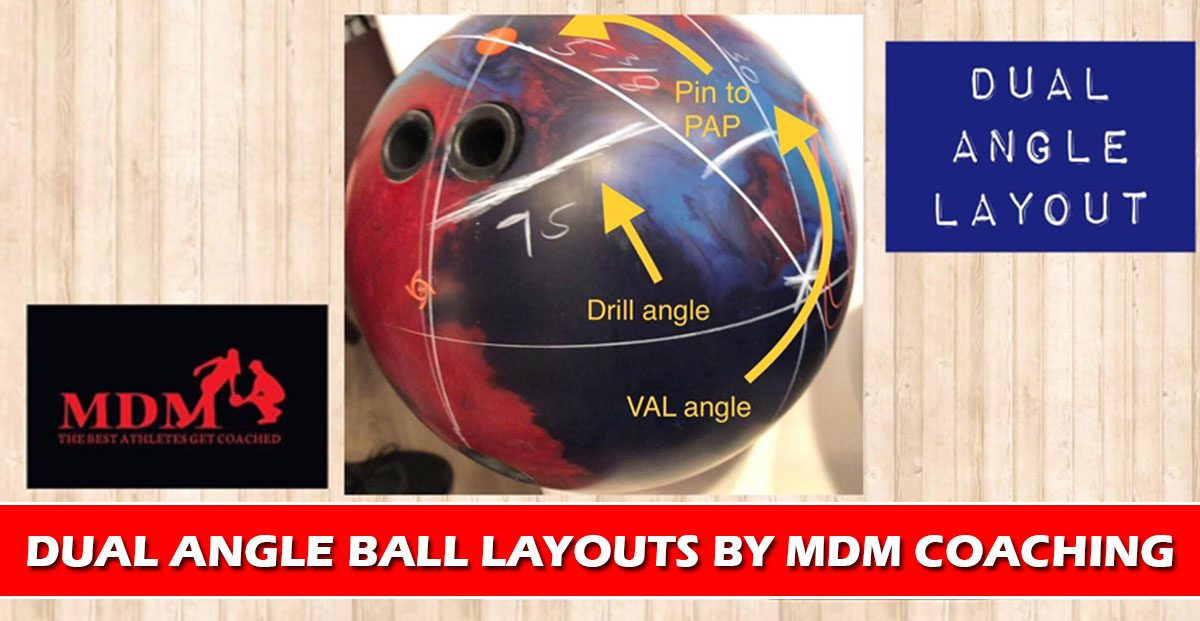
Dual Angle Bowling Ball Drilling Layouts Explained by MDM Coaching
After your PSO has watched you bowl, found your PAP (positive axis point), and you’ve [...]
6 Comments
Jan

Corner Pin Spare Shooting Bowling Tips
Learn How to Make More Corner Pins While Bowling Spare shooting is the glue to [...]
1 Comments
Oct
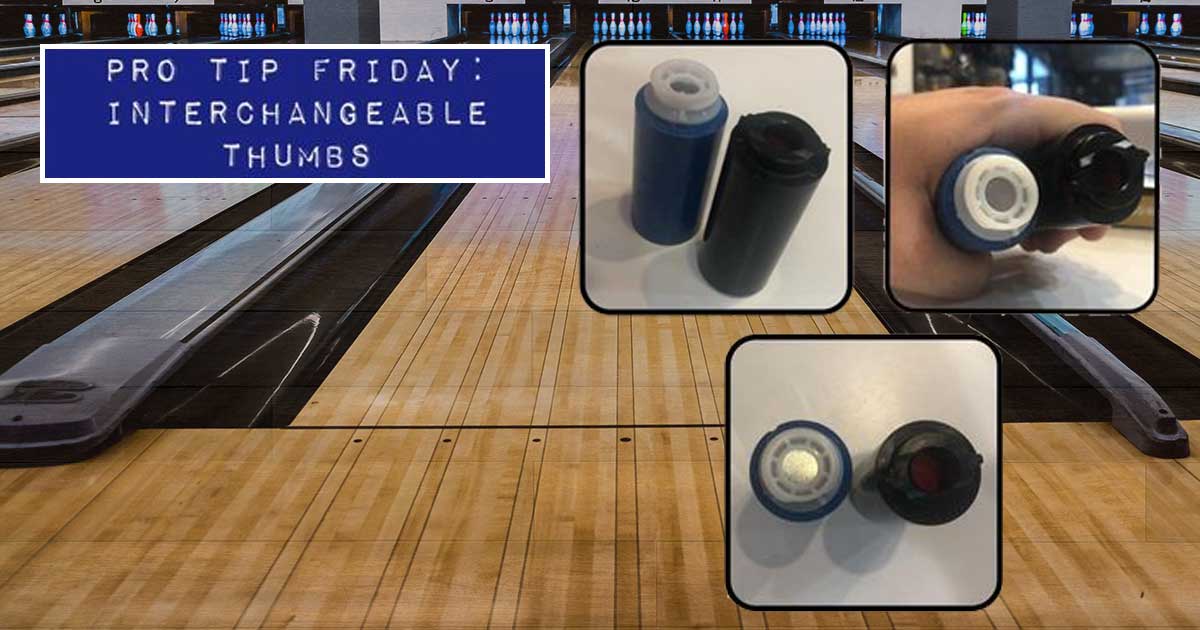
Interchangeable Thumbs for Improved Bowling Ball Grip – Pro Tip Friday
When you are getting in to bowling more heavily and building an arsenal, one of [...]
2 Comments
Sep
Every Shot is a Chance to Learn – Pro Tip Friday
Bowling Coaching Tips – Learning From Every Shot This past weekend, I went to Tampa [...]
Sep
Bowling Approach Pro Tip Friday: Should You Hinge or Push?
Bowling Approach Coaching Tips In today’s bowling game where power and control go hand in [...]
3 Comments
Sep
Drilling Performance Bowling Balls – Pro Tip Friday with MDM Coaching
Pro Tip Friday with Mike Moore I’ve been working in pro shops for over 15 [...]
2 Comments
Aug
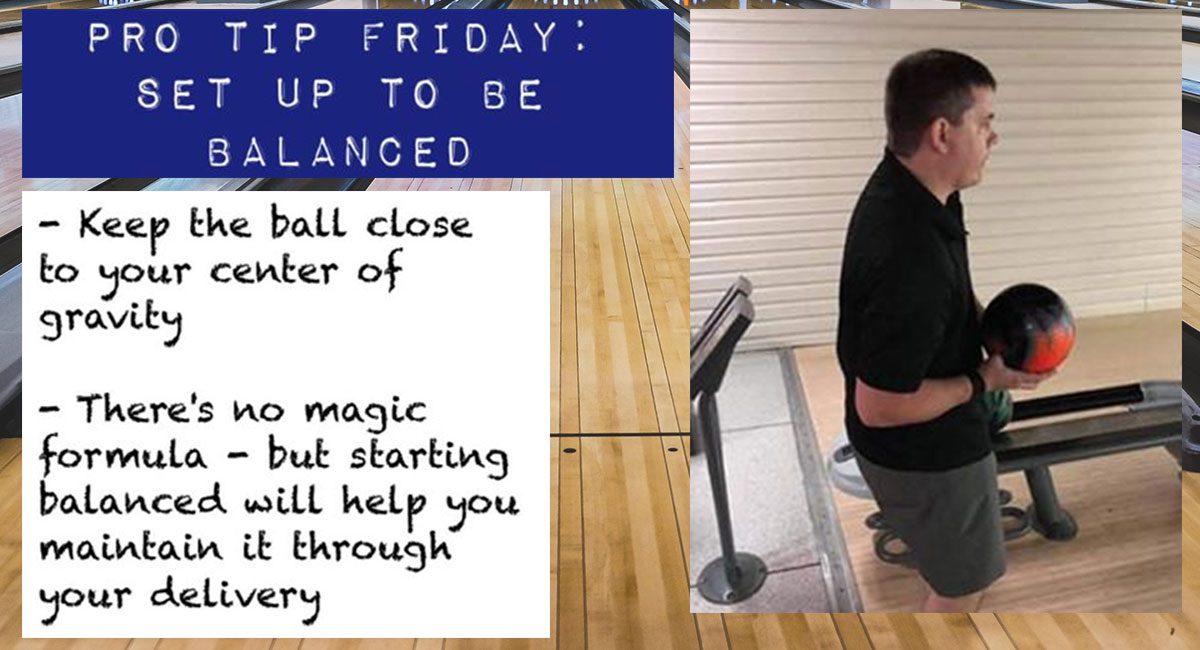
Setting Up to Stay Balanced In Your Approach – Pro Tip Friday MDM Coaching
Pro Tip Friday with Mike Moore Balance is required from start to finish to bowl [...]
1 Comments
Aug

Pro Tip Friday with MDM Coaching: Pin Strings
String Pins https://www.facebook.com/MDMcoaching/videos/2668008320186729/ This past weekend I was fortunate enough to bowl in a very [...]
Jul
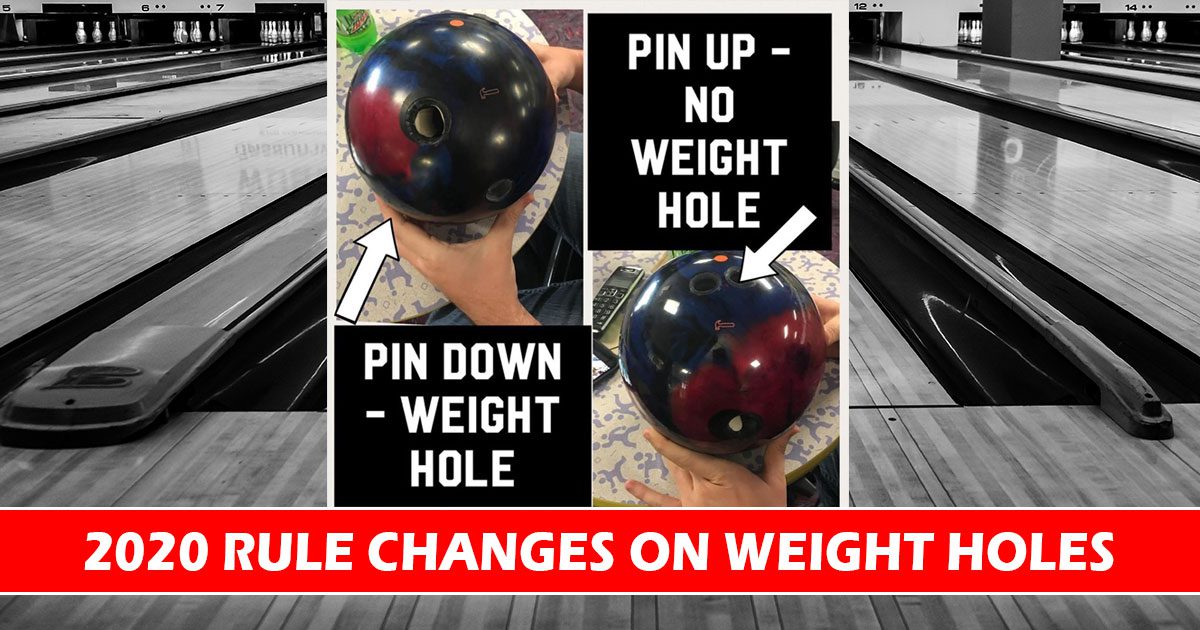
2020 Rule Changes on Weight Holes – MDM Coaching with Mike Moore
Pro Tip Friday with Mike Moore Effective on August 1st, 2020, the USBC will be [...]
4 Comments
Jul
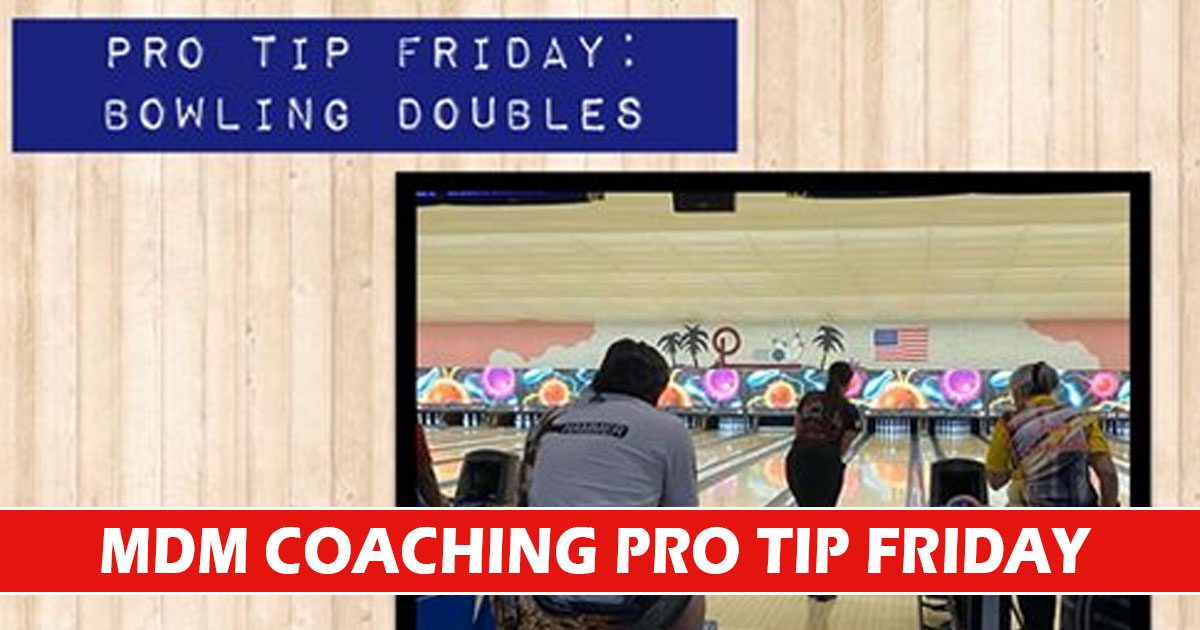
Pro Tip Friday with MDM Coaching: Bowling Doubles
Bowling a Doubles Event This past weekend, I got a chance to bowl a doubles [...]
Jul
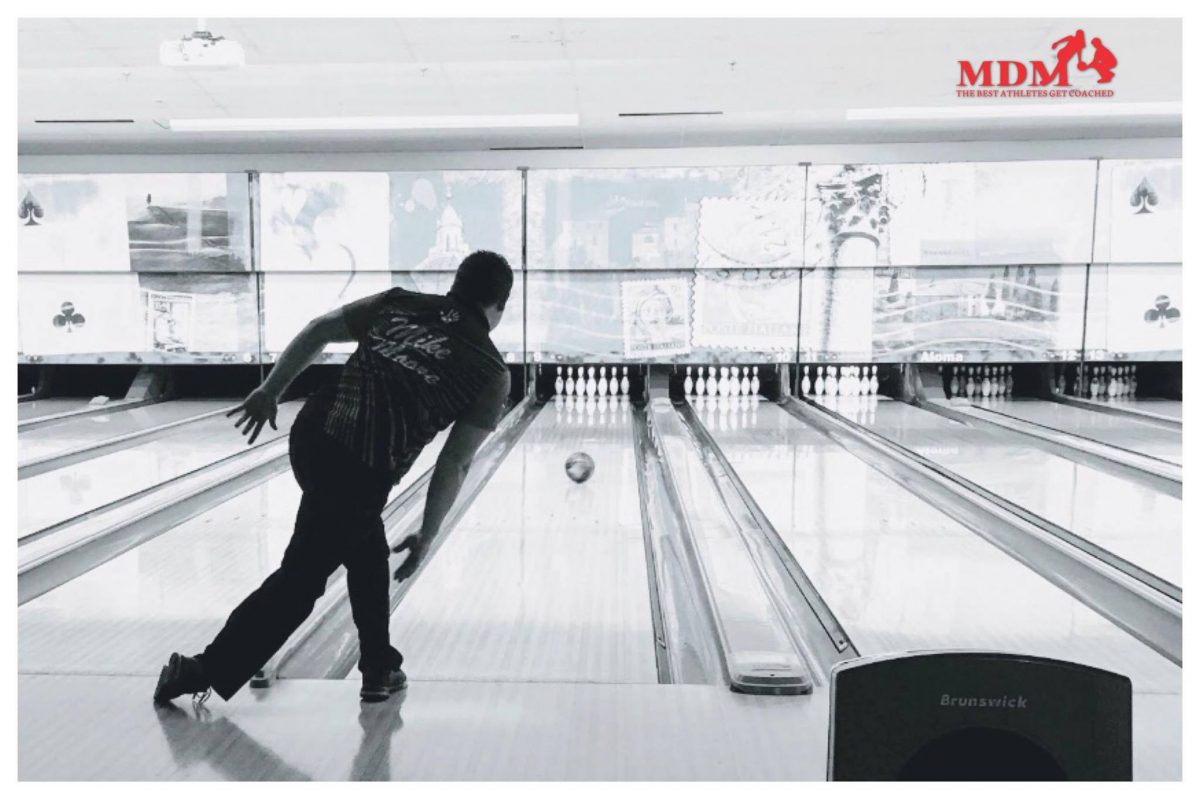
Pro Tip Friday with MDM Coaching: Stay in the Moment
When Bowling – Stay in the Moment This past weekend, I bowled my first tournament [...]
1 Comments
Jul

BowlersMart Orlando, MDM Coaching & Silver Level Coach Mike Moore – RealLife Bowlers Podcast 6
Real Life Bowling Podcast Episode 6 With Anthony Caso and Chris Polizzi Welcome To The [...]
Apr
 Balls
Balls Shoes
Shoes Bags
Bags Accessories
 Apparel
 Deals
Deals
Good news on the Easter fitting never
Heard the name before thank you.
I am a 62 yr old woman, I roll a finger tip drilled 14 lb ball. I ball speed is 6 to 7 miles per hour. I am having a hard time finding the right ball. I had a friend of my husband who gave me his wife’s old Columbia Blue Knight ball. I have been rolling much better with. I need a ball that will go long with some hooking abilities. Can you help me?
Which would you recommend for someone with arthritis in their fingers?
What type of grip and drilling would best benefit me since I only use my pinky and ring finger on my right hand? It’s what I have found absolute most comfortable not only to hold the ball but also to throw the ball. I am able to hook the ball but not consistently. I also cannot use a ball that’s to heavy due to an old shoulder injury.
I have my balls conventional but i would like to change it to tips. do the have inserts for that or would they need to be filled and re drilled?