









Basic Bowling Tips, Bowling How To's & Coaching Tips, Bowling Tips & Coaching Articles, Physical Game Tips
Bowling Ball Hook Guide: 2 Essential Steps for Beginners
You’ve been watching the bowler next to you throw beautiful hooking shots all night while your ball rolls straight down the lane like a runaway train. No matter how hard you try to “put some spin on it,” your house ball refuses to curve even slightly toward the pins. Meanwhile, that other bowler makes it look effortless.
The truth is, you’re not doing anything wrong with your technique – you’re fighting a losing battle with the wrong equipment. Getting a bowling ball to hook isn’t about mysterious wrist magic or years of practice. It’s about understanding two fundamental requirements that most beginners never learn.
This guide will reveal the essential elements that transform straight balls into hooking strikes, giving you the knowledge to finally throw those impressive curves you’ve been admiring from the sidelines.

Beginner’s Guide: Get Your Bowling Ball to Hook Like a Pro
Hook Success Formula: Reactive resin ball + proper fingertip fit = instant hook potential that transforms your striking power.
Why Your House Ball Will Never Hook (And What to Do About It)
Before we dive into solutions, let’s address the elephant in the room: if you’re trying to create hook with a house ball, you’re essentially trying to start a fire with wet matches. It’s not impossible, but you’re making things unnecessarily difficult.
The House Ball Limitation
Wrong Material
House balls are made from hard, smooth plastic that can’t create the friction needed to grip the lane and generate hook motion.
No Dynamic Core
House balls lack the imbalanced weight blocks (cores) that help create the rotation and migration necessary for hook motion.
The Solution: A reactive resin bowling ball with a dynamic core designed specifically to create hook motion on modern lane conditions.
Essential Element #1: The Right Type of Bowling Ball
Getting your ball to hook starts with having equipment that’s actually capable of hooking. This isn’t about expensive gear – it’s about understanding the fundamental difference between house balls and performance bowling balls.
Why Reactive Resin Balls Hook
Porous Surface: Reactive resin material features microscopic pores that grab the lane surface, creating friction for hook motion.
Tacky Feel: The surface is designed to grip rather than slide, allowing the ball to “read” the lane and react to oil patterns.
Dynamic Core: Imbalanced weight blocks inside the ball create natural rotation and help the ball transition from skid to hook to roll.
Why House Balls Can’t Hook
Hard Plastic Surface: Smooth, non-porous material designed for durability, not performance – slides rather than grips.
Symmetrical Core: Balanced weight distribution prevents the natural rotation patterns needed for hook development.
Uniform Density: No weight blocks or core dynamics to help the ball change direction as it travels down the lane.
Your First Reactive Resin Ball
Entry Level Options: Start with a basic reactive resin ball designed for beginners – you don’t need the most aggressive ball on the market.
Immediate Results: Most bowlers see hook motion on their very first throw with a properly fitted reactive resin ball.
Long-term Investment: A quality reactive resin ball will last for years and provide consistent performance as your skills develop.
💡 Fast Track Tip: The quickest path to throwing hooks is getting a reactive resin ball properly fitted to your hand – technique improvements can wait until you have equipment that actually works.
Essential Element #2: Custom Fit for Your Hand
Even the best reactive resin ball won’t hook properly if it doesn’t fit your hand correctly. Proper fit isn’t just about comfort – it’s about creating the control and release conditions necessary for generating hook motion.
Why Custom Fit Matters for Hook
Release Control: Proper fit allows you to control exactly when and how the ball leaves your hand, critical for creating rotation.
Consistent Timing: When the ball fits correctly, your release timing becomes predictable and repeatable.
Natural Lift: A properly fitted ball allows your fingers to create lift naturally without forcing or manipulating the ball.
The Professional Fitting Process
Hand Measurement
Professional fitting includes precise measurements of finger length, span, and thumb size for optimal grip and control.
Ongoing Adjustments
Our 50+ BowlersMart locations provide ongoing support to fine-tune your fit as your technique develops.
The Fingertip Grip: Your Hook Generation System
If you want to create hook, you need to understand the fingertip grip. This isn’t just a preference – it’s the mechanical foundation that makes hook motion possible for most bowlers.
Understanding Fingertip Grip
Finger Depth: Insert your middle and ring fingers up to the first joint crease (about 1 inch deep) rather than fully into the holes.
Natural Lift Creation: This shallow grip allows your fingertips to naturally lift the ball at release, creating the rotation needed for hook.
Control Advantage: Fingertips provide more precise control over ball rotation and release timing than full-finger insertion.
Fingertip vs. Conventional Grip
Conventional Grip
Fingers inserted to second knuckle – provides security but limits lift and rotation potential for hook generation.
Fingertip Grip
Fingers inserted to first knuckle – maximizes lift potential and rotation control for optimal hook development.
Enhancing Your Grip: Finger Grips and Proper Thumb Insertion
Once you understand the fingertip system, there are specific enhancements that make the grip more comfortable and effective, especially for beginners transitioning from house balls.
The Role of Finger Grips
Comfort Enhancement: Finger grips provide a softer, more comfortable surface for your fingertips during release.
Additional Lift: The texture and design of finger grips help create extra lift and rotation for increased hook potential.
Professional Preference: Both beginners and professionals use finger grips because they enhance both comfort and performance.
Crucial Thumb Insertion
Full Thumb Insertion
Your thumb must be completely inserted into the thumb hole for consistent release timing and ball control.
Consistency Foundation
Proper thumb insertion ensures that your release timing remains consistent, which is essential for repeatable hook motion.
🎯 Expectation Setting: Your first properly fitted ball will feel completely different from house balls – this awkwardness is actually a sign that you finally have equipment that fits correctly!
Conquering the Grip Pressure Challenge
The biggest hurdle for beginners with their first fingertip ball is learning to trust the fit and avoid the “kung-fu grip” that destroys hook potential. This is where many new bowlers struggle, but understanding the process makes all the difference.
The Tight Thumb Phenomenon
Why It Feels Tight: After years of squeezing house balls, a properly fitted thumb hole feels uncomfortably snug at first.
The Natural Reaction: Most beginners immediately ask to have the thumb hole enlarged, which usually makes the problem worse.
Trust the Process: Professional ball fitters know how to guide you through relaxing your grip rather than simply making holes bigger.
The Grip Relaxation Process
Learning Phase
In 15-20 minutes of guided practice, most bowlers learn to relax their grip and trust their ball’s fit.
Dramatic Improvement
Once relaxed, bowlers often need additional tape added to achieve the perfect fit – sometimes 10+ pieces!
The Accuracy Principle
Universal Sports Truth: In accuracy-based sports, less muscle tension and squeezing typically produces better results.
Bowling Application: Relaxed grip pressure allows for smoother release and more consistent ball rotation.
Professional Secret: Elite bowlers use minimal grip pressure, allowing their properly fitted equipment to do the work.
Your Step-by-Step Path to Hooking Success
Now that you understand the two essential elements, here’s your practical roadmap for transforming from straight-ball bowling to consistent hook shots.
Phase 1: Equipment Upgrade
Step 1: Visit a BowlersMart location for professional consultation on reactive resin ball selection.
Step 2: Get professionally fitted for fingertip grip with finger grips and proper thumb fit.
Step 3: Work with your fitter to establish proper grip pressure and release feel.
Phase 2: Initial Practice
First Session: Focus on getting comfortable with the new feel rather than worrying about dramatic hook.
Technique Development: Work on relaxed grip pressure and consistent release timing.
Patience Required: Allow 3-5 sessions for your muscle memory to adapt to the new equipment and grip style.
Phase 3: Hook Development
Natural Progression: Hook motion will develop naturally as you become comfortable with proper equipment and fit.
Fine-Tuning: Work with your pro shop for any necessary fit adjustments as your technique stabilizes.
Skill Building: Focus on consistency and control before attempting to maximize hook potential.
Avoid These Common Beginner Hook Mistakes
Equipment and Technique Pitfalls
Forcing Hook Motion
Problem: Trying to create hook through wrist manipulation instead of proper equipment.
Solution: Focus on equipment first, technique second – let the ball do the work.
Oversized Holes
Problem: Requesting holes too large due to unfamiliarity with proper fit.
Solution: Trust your pro shop fitter and learn to relax your grip pressure.
Impatience
Problem: Expecting immediate dramatic hook without allowing time for adjustment.
Solution: Allow several practice sessions for natural hook development to occur.
Final Thoughts
Getting your bowling ball to hook isn’t about mysterious techniques or years of practice – it’s about having the right equipment properly fitted to your hand. The two essential elements covered in this guide will transform your bowling more dramatically than any amount of technique work with improper equipment.
Remember, every professional bowler started exactly where you are now. The difference between struggling with house balls and throwing confident hooks is simply understanding what actually works. Invest in proper equipment, trust the fitting process, and be patient as your muscle memory adapts to equipment that actually performs.
The moment you release your first hook shot with properly fitted reactive resin equipment, you’ll understand why those other bowlers made it look so effortless. It’s not about being naturally gifted – it’s about having the right tools for the job.
More Bowling Articles You May Enjoy
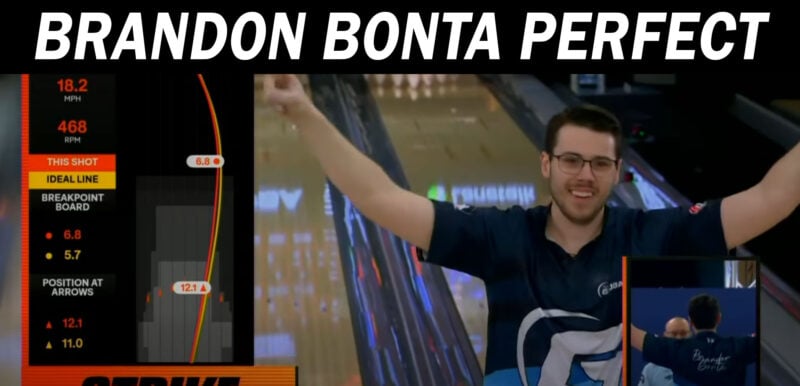
Rookie Brandon Bonta Rolls 300 to Win PBA Players Championship 2026
📋 Quick Facts: 2026 PBA Players Championship | Stepladder Finals at the International Training and [...]
Feb
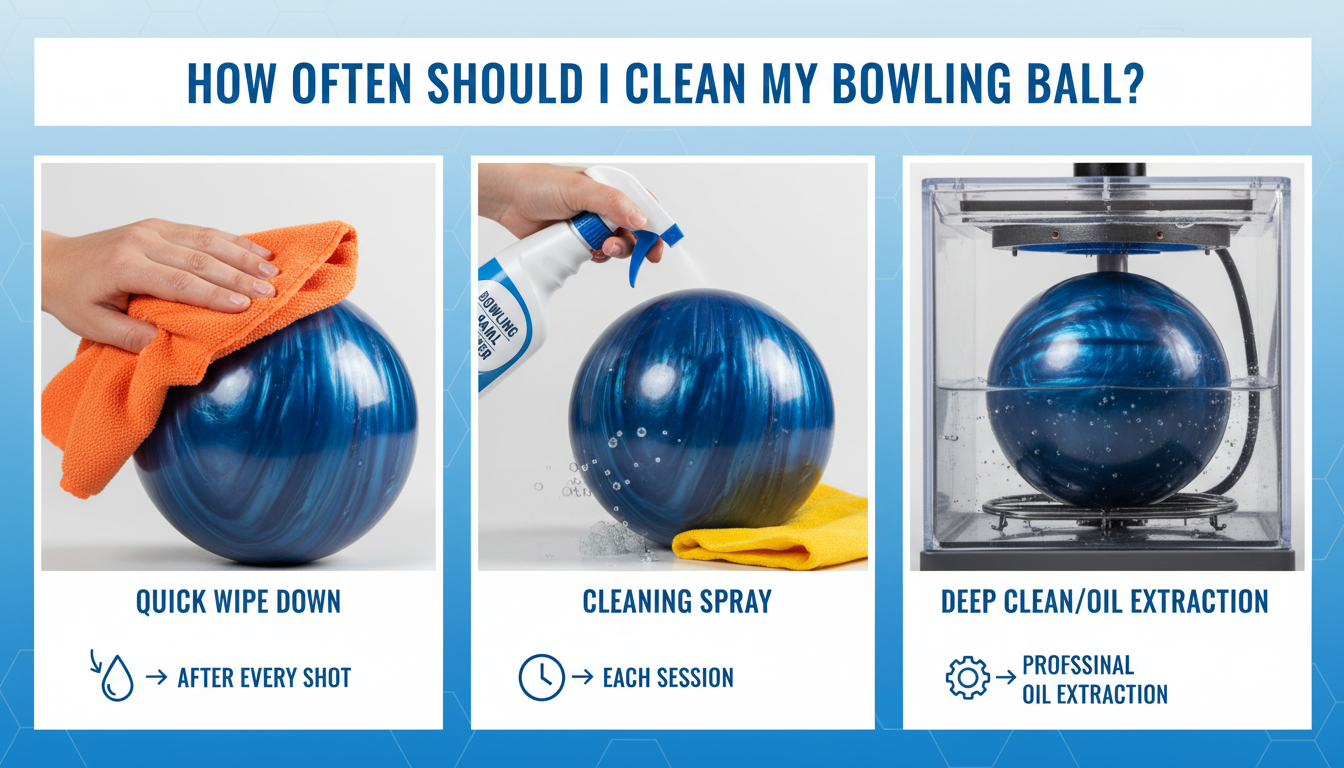
How Often & How Should I Clean My Bowling Ball?
How Often Should I Clean My Bowling Ball? Bowling balls are precision tools, and like [...]
Feb
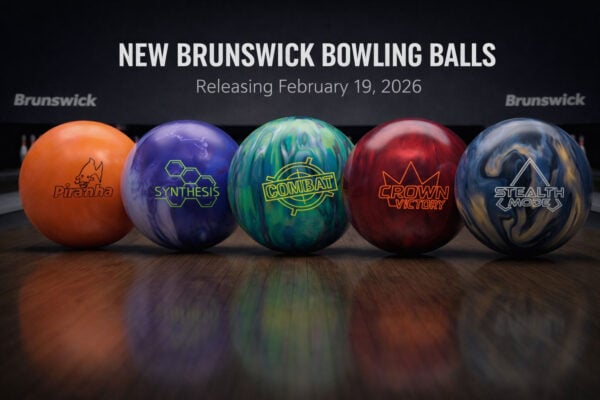
Brunswick Drops 5 New Bowling Balls for 2026: Complete Specs, Reviews & Comparisons
By BowlersMart Staff | Published February 16, 2026 | Updated February 19, 2026 Brunswick’s family [...]
Feb

4 New Storm Bowling Balls for Spring 2026: Full Guide
Storm Products Inc. just loaded up bowlers’ bags for the spring 2026 season. Four new [...]
1 Comments
Feb
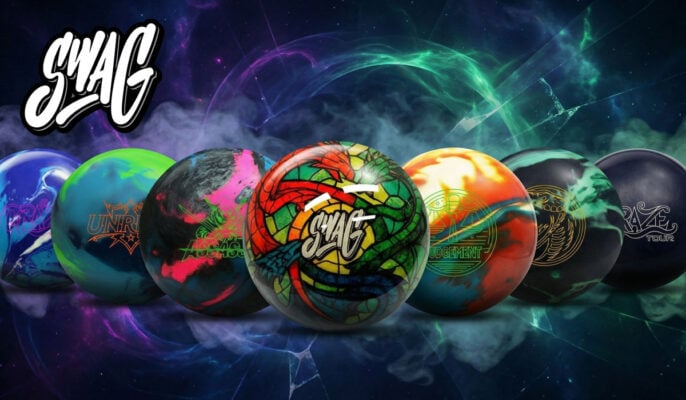
SWAG Just Released 6 New Performance Bowling Balls
SWAG Bowling released six new bowling balls on February 17, 2026: the Judgement Hybrid ($184.95), [...]
Feb
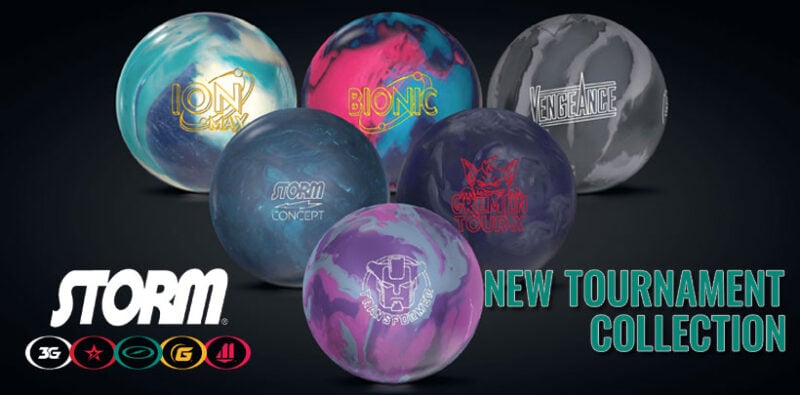

16 New Bowling Balls Available in 2026
*Last Updated March 14, 2026 | Updated Monthly with New Releases Thirty-one new bowling balls [...]
3 Comments
Jan

 Balls
Balls Shoes
Shoes Bags
Bags Accessories
 Apparel
 Deals
Deals
It’s not the index finger that is inserted into the drill site. Rather the middle finger and ring finger are inserted into the holes of the ball
I got a urthane that hooks a lot but i cant find any cleaner for it.can you help with that