









Bowling Tips & Coaching Articles, Intermediate Bowling Tips
How Do I Maintain My Bowling Ball?

How Do I Maintain My Bowling Ball?
Whether you’re a seasoned bowler or just rolling your first strike, maintaining your bowling ball is critical to ensuring optimal performance and extending its lifespan.
Proper maintenance not only keeps your ball in top condition but also improves your game by ensuring consistent reactions on the lanes.
This guide covers practical bowling ball care tips, including cleaning, storage, and essential routines to keep your ball striking-ready.
Why Maintenance Matters: Bowling balls endure oil patterns, dirt, and debris that build up over time. Neglecting maintenance affects performance, reduces hook potential, and shortens your ball’s lifespan.
Why Is Bowling Ball Maintenance Important?
Bowling balls endure a lot on the lanes. The oil patterns, combined with dirt and debris, can build up on the ball’s surface over time, directly affecting its performance.
By following a few easy maintenance routines, you can keep your bowling ball in excellent condition and maintain consistency in your game.
Problems Caused by Poor Maintenance
Reduced Friction: Impacts hook potential and accuracy significantly
Glazed Surface: Causes the ball to skid instead of grabbing the lane properly
Decreased Lifespan: Requires costly replacements much sooner than necessary
The Basics of Bowling Ball Maintenance
Maintenance for your bowling ball can be divided into three key areas: cleaning, storage, and surface management.
Here’s what you need to know for each area to keep your ball performing at its best.
Three Essential Maintenance Areas
1. Cleaning
Regular cleaning after each game and monthly deep cleaning routines
2. Storage
Proper storage techniques to prevent damage and maintain structural integrity
3. Surface Management
Resurfacing and sanding to maintain optimal performance characteristics
How to Clean Your Bowling Ball Properly
Cleaning your bowling ball after each game or practice is the foundation of proper care.
Over time, the surface (coverstock) collects oil, dirt, and grime that can hinder your performance.
Essential Cleaning Steps
Wipe After Every Shot: Use a shammy to wipe your ball after each throw. This removes fresh oil and dirt, preventing buildup
Use Bowling Ball Cleaner: Clean your ball with a specially formulated bowling ball cleaner after each session
Deep Clean Monthly: For avid bowlers, submerge your ball in warm, soapy water (not scalding hot!) for about 20 minutes. Use a soft sponge to gently scrub away embedded oils
⚠️ Important: Ensure finger holes remain dry by using tape or sealing them before immersion. Never use household cleaners like bleach or abrasive products, as these can damage the coverstock.
Proper Storage for Bowling Balls
Beyond cleaning, how you store your bowling ball plays a crucial role in its durability.
Improper storage can lead to warping, cracking, or even loss of structural integrity.
Essential Storage Tips
Room Temperature Storage: Exposure to extreme heat or cold can cause your ball to expand or contract, leading to fractures. Store in a temperature-regulated environment
Use a Bowling Ball Bag: Always keep your ball in a padded bowling ball bag. This prevents rolling around or scratching during transport and storage
Avoid Direct Sunlight: UV rays can weaken the coverstock, making it brittle over time. Store in a shaded or enclosed area
Rotate Regularly: If storing for long periods, rotate the ball’s position every few weeks to prevent flat spots from forming
Surface Management with Resurfacing and Sanding
The surface texture of your bowling ball directly impacts its performance, including how it reacts to lane conditions.
Over time, regular use can wear down the surface, requiring occasional resurfacing.
Surface Management Techniques
Sanding for Texture: Use sanding pads of varying grits (180 to 4000) to adjust texture. Lower grits create more friction for oily lanes, higher grits produce smoother finishes for dry lanes
Polishing for Shine: A polished ball is great for speed and control on less oily surfaces. Use quality polishing compound, but avoid over-polishing as it can reduce grip
Professional Resurfacing: After about 60-80 games, have your ball professionally resurfaced. Pro shops use sanding machines to evenly restore factory settings
Do’s and Don’ts of Bowling Ball Care
Here’s a quick checklist to ensure you’re taking the best care of your bowling ball.
Essential Do’s
Regular Cleaning: Clean with a shammy or microfiber and certified bowling ball cleaner
Proper Storage: Store in a padded bag in a climate-controlled space
Maintenance Schedule: Deep clean monthly and resurface as needed
Regular Inspection: Check for cracks or damage after every few games
Critical Don’ts
Temperature Extremes: Never expose your bowling ball to direct sunlight or extreme temperatures
Household Cleaners: Avoid household cleaners that can damage the surface
Oil Buildup: Don’t ignore oil buildup, as it significantly affects performance
Improper Use: Never throw your ball on hard surfaces outside of a bowling alley
Signs Your Bowling Ball Needs Attention
Even with regular maintenance, there are times when your bowling ball will require extra care.
Timing is everything when it comes to addressing these issues. Regularly monitoring your ball’s condition can save you from costly repairs or replacements.
Watch for These Warning Signs
Reduced Hook Potential: If your ball isn’t reacting as it used to, it may need cleaning or resurfacing
Surface Discoloration: A shiny or dull surface in contact areas indicates excessive oil absorption
Cracks or Chips: Handle these immediately by consulting a pro shop to prevent further damage
Tools Every Bowler Should Have
To keep your bowling ball in top shape, consider investing in these essential maintenance tools.
Many of these items are available at pro shops or online retailers specializing in bowling gear.
Maintenance Tool Kit
Cleaning Essentials: Shammy/Microfiber towels and bowling ball cleaner
Surface Tools: Sanding pads (various grits) and polishing compound
Storage Protection: A reliable padded bowling ball bag
Application Tools: Polish and polishing pad for surface finishing
Wrapping It Up
Proper bowling ball maintenance is a game-changer for players of all levels.
By cleaning your ball consistently, storing it properly, and managing its surface texture, you’ll experience improved performance and extend the life of your equipment.
Remember, your ball is an investment in your game, and taking care of it will ensure you always perform your best on the lanes. Next time you head to the alley, keep these bowling ball care tips in mind, and watch your strikes roll in! 🎳
Next time you head to the alley, keep these bowling ball care tips in mind, and watch your strikes roll in!
recommended Bowling gear


more bowling articles you may enjoy
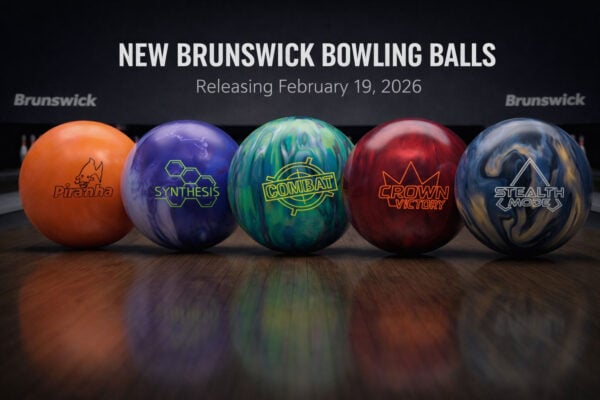
Brunswick Drops 5 New Bowling Balls for 2026: Complete Specs, Reviews & Comparisons
By BowlersMart Staff | Published February 16, 2026 | Updated February 19, 2026 Brunswick’s family [...]
Feb

4 New Storm Bowling Balls for Spring 2026: Full Guide
Storm Products Inc. just loaded up bowlers’ bags for the spring 2026 season. Four new [...]
Feb

SWAG Just Released 6 New Performance Bowling Balls
SWAG Bowling released six new bowling balls on February 17, 2026: the Judgement Hybrid ($184.95), [...]
Feb
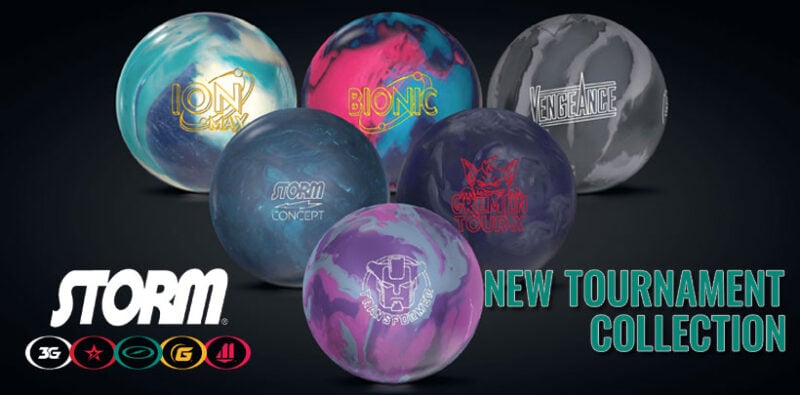

16 New Bowling Balls Available in 2026
*Last Updated February 16, 2026 | Updated Monthly with New Releases Twenty-five new bowling balls [...]
2 Comments
Jan

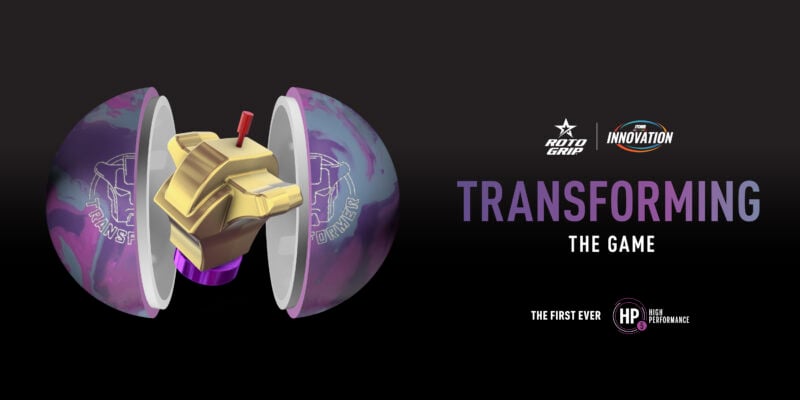
Roto Grip Transformer Review & Analysis Guide
Discover the Roto Grip Transformer bowling ball with its revolutionary Morph-Wing Core. Learn about specs, [...]
Jan


 Balls
Balls Shoes
Shoes Bags
Bags Accessories
 Apparel
 Deals
Deals


How can I make my bowling ball hook more?? It’s a finger tip.
Assuming the ball has been professionally resurfaced fairly recently, I would focus on your technique. Make sure you’re following through fully, with a lift at the end, so your hand ends up in a raised position. But that doesn’t mean throwing it high. You want to release it down near the lane, but with an upward lift of the arm/hand/fingers. That requires that your torso remains upright, with a decent amount of knee bend. You don’t want to end up bent over with your head in front of your body. That will kill most/all of the potential lift at the end. You can also look into a ball for heavy-oil lanes and/or an asymmetrical core. I hope this helps. (Just a 180 avg bowler.)
Consider changing or altering your inserts. Most finger inserts have a lip or ridge on one end. If installed to use the lip, this can increase the friction or lift your fingers apply on release. Special inserts also come with a non-smooth or flat surface and instead have “nubs” or bumps to increase lift. Taken together, changing your swing and release and/or equipment can alter the delivery you provide on each shot.