









Basic Bowling Tips, Bowling Tips & Coaching Articles
Which Bowling Spares and Pin Numbers Do Bowlers Face Most Often?

What Are the Most Common Bowling Spares and Pin Numbers?
Bowling may look simple at first glance—roll the ball, knock down the pins, repeat—but every bowler quickly learns that spares are where games are won or lost. Strikes are exciting, but consistent spare shooting is the key to higher scores.
In this blog, we’ll break down the most common bowling spares you’ll face, explain the pin numbers in standard bowling, and share tips on how to convert those tricky leaves.
Understanding Bowling Pin Numbers
Before diving into spares, let’s review the bowling pin setup. A standard bowling lane has 10 pins arranged in a triangle:
   7   8   9   10
     4   5   6
       2   3
         1
-
Pin 1 is the head pin (the front pin).
-
Pins 2 and 3 are directly behind it, forming the second row.
-
Pins 4, 5, and 6 make up the third row.
-
Pins 7, 8, 9, and 10 are the back row.
When someone talks about a “2-4-5 spare” or a “7-10 split,” they’re referencing these numbers.
The Most Common Bowling Spares
1. The Single Pin Spare
The most frequent spare you’ll shoot is a single pin—often the 10 pin (for right-handers) or the 7 pin (for left-handers).
-
Why it happens: A slightly off-angle shot leaves one corner pin.
-
How to pick it up: Use a plastic spare ball, throw straight, and aim across the lane.
2. The 2-4-5 Spare
A very common leave for right-handed bowlers.
-
Why it happens: The ball deflects after hitting the head pin light, leaving pins on the left side.
-
Tip: Adjust your line slightly right to catch all three pins clean.
3. The Bucket (2-4-5-8)
Nicknamed “the bucket,” this leave can be frustrating.
-
Why it happens: A light pocket hit that doesn’t drive through the pins.
-
How to pick it up: Hit the 2 pin square—too thin and you’ll chop the 2, too thick and you’ll miss the 8.
4. The 3-6-10 (Right Side Spare)
This cluster shows up often for right-handers.
-
Why it happens: The ball goes high and leaves the back corner.
-
Pro tip: Target the 3 pin straight on and let the ball’s angle take the others.
5. The 2-8 or 3-9 Combination
These are called “sleeper spares” because one pin hides behind another.
-
Challenge: You can’t just hit the front pin; you must drive through to get the back one.
-
Fix: Focus on a straight line through the lead pin.
6. The Washout (1-2-4-10 or 1-3-6-7)
A split with the head pin still standing.
-
Why it happens: The ball misses the pocket entirely.
-
Conversion tip: Aim to hit the head pin on the inside and let it deflect into the corner pin.
7. The Infamous 7-10 Split
Also called the “goal posts” or “bedposts,” this is one of the hardest spares in bowling.
-
Why it happens: A powerful strike ball that hits too light.
-
Reality check: Even pros rarely convert this one, but it’s legendary when it happens.
Why Learning Spares Matters
-
Consistency wins: Strikes are streaky; spares are controllable.
-
Higher averages: Most bowlers improve their scores more by practicing spares than strikes.
-
Confidence: Knowing how to handle common leaves eliminates frustration.
Final Tips for Spare Shooting
-
Use a spare ball – A plastic ball goes straighter, reducing hook unpredictability.
-
Stand and target consistently – Create a system for each common spare (e.g., 10 pin: stand far left, target second arrow).
-
Practice the tough ones – Buckets, sleepers, and washouts deserve extra lane time.
Conclusion
Bowling isn’t just about strikes—it’s about controlling your spares. From the simple single pin to the dreaded 7-10 split, every bowler will face these challenges. By understanding bowling pin numbers and practicing the most common spares, you’ll build consistency, boost your scores, and enjoy the game even more.
recommended Bowling gear




more bowling articles you may enjoy

Rookie Brandon Bonta Rolls 300 to Win PBA Players Championship 2026
📋 Quick Facts: 2026 PBA Players Championship | Stepladder Finals at the International Training and [...]
Feb
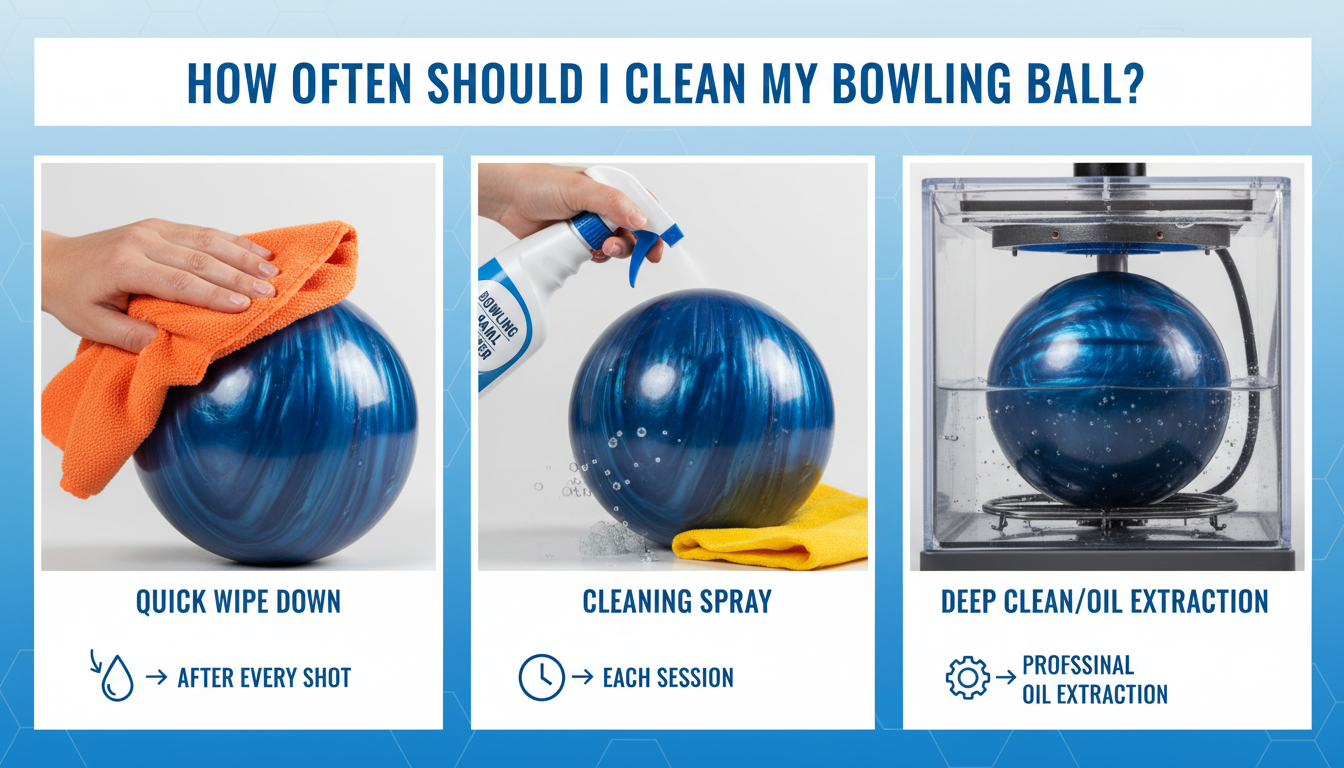
How Often & How Should I Clean My Bowling Ball?
How Often Should I Clean My Bowling Ball? Bowling balls are precision tools, and like [...]
Feb
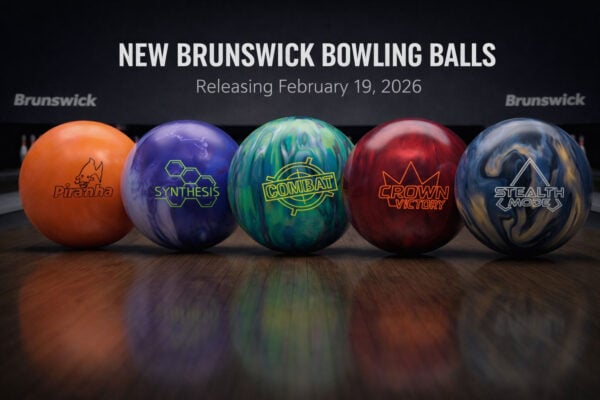
Brunswick Drops 5 New Bowling Balls for 2026: Complete Specs, Reviews & Comparisons
By BowlersMart Staff | Published February 16, 2026 | Updated February 19, 2026 Brunswick’s family [...]
Feb
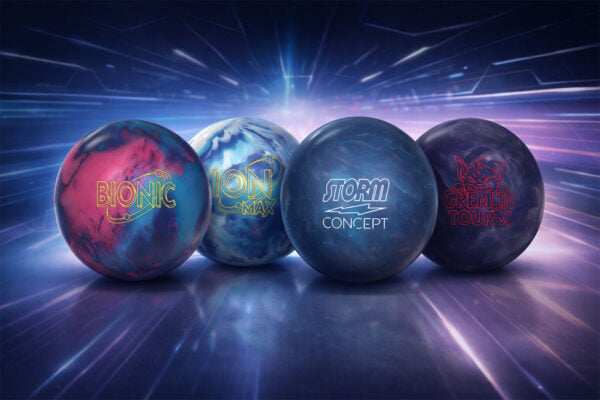
4 New Storm Bowling Balls for Spring 2026: Full Guide
Storm Products Inc. just loaded up bowlers’ bags for the spring 2026 season. Four new [...]
1 Comments
Feb

SWAG Just Released 6 New Performance Bowling Balls
SWAG Bowling released six new bowling balls on February 17, 2026: the Judgement Hybrid ($184.95), [...]
Feb
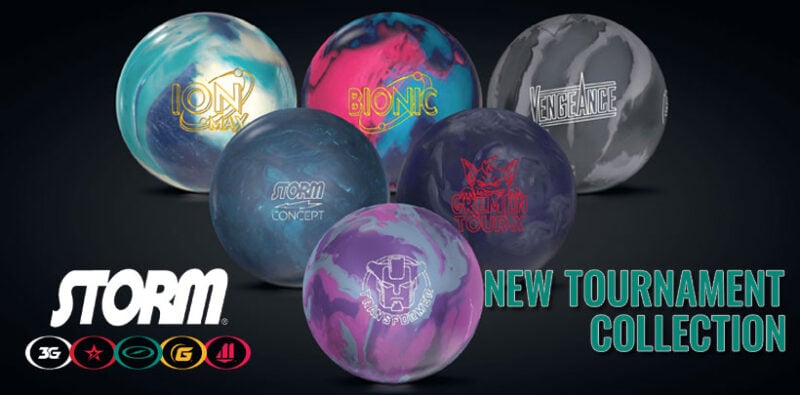

16 New Bowling Balls Available in 2026
*Last Updated March 14, 2026 | Updated Monthly with New Releases Thirty-one new bowling balls [...]
3 Comments
Jan

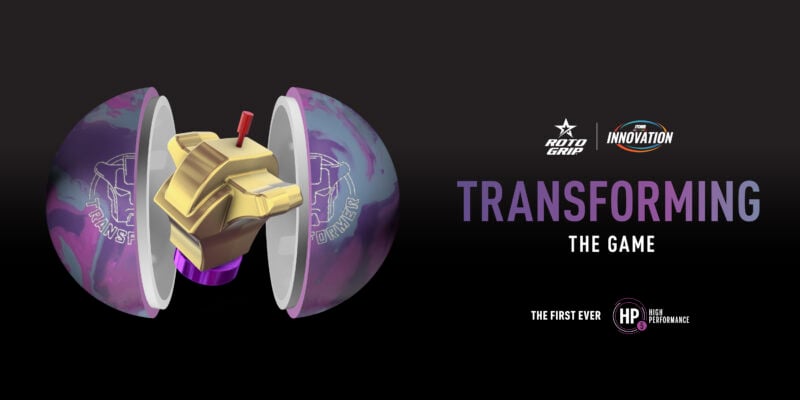
Roto Grip Transformer Review & Analysis Guide
Discover the Roto Grip Transformer bowling ball with its revolutionary Morph-Wing Core. Learn about specs, [...]
Jan


 Balls
Balls Shoes
Shoes Bags
Bags Accessories
 Apparel
 Deals
Deals