








Bowling News
USBC Urethane Ball Rules 2026: Complete Guide to New Tournament Restrictions
What’s Changing: The Big Picture
Starting January 1, 2026, USBC will implement new restrictions on slow oil-absorbing high-performance bowling balls (commonly known as urethane balls) across their national tournament events. These changes represent the most significant equipment rule modifications in recent bowling history.
Key Changes at a Glance:
🚫 Complete bans on urethane balls at premier events like the U.S. Open and USBC Masters
⚖️ Grandfathering of previously approved balls for league and local tournament use
🔧 78D hardness minimum required for urethane balls at many national championships
📅 Immediate effect on ball manufacturing standards starting December 31, 2025
📋 Official USBC Documents & Resources
Access the complete official documentation directly from USBC:
click image below to watch video

The bowling world is buzzing with major news from the United States Bowling Congress (USBC). If you’re a competitive bowler or planning to participate in USBC events, significant rule changes regarding urethane bowling balls will directly impact your equipment choices starting in 2026.
These new regulations aim to address competitive fairness, lane pattern integrity, and player development concerns that have emerged with the increasing popularity of urethane equipment in tournament play.
In this comprehensive guide, you’ll learn exactly which tournaments are affected, what the new 78D hardness requirement means, and how to prepare your equipment arsenal for the upcoming changes.
USBC Announces Major Changes to Urethane Ball Rules for National Tournaments: What Bowlers Need to Know
Quick Summary: What You Need to Know
• Complete urethane bans at premier events (U.S. Open, USBC Masters, PWBA Tour) starting January 1, 2026
• 78D hardness minimum required for urethane balls at other national championships (Open Championships, Women’s Championships, etc.)
• Pre-August 1, 2022 urethane balls are completely ineligible for national tournaments regardless of hardness
• League and local tournaments are NOT affected – these rules only apply to USBC national events
• Manufacturing changes take effect December 31, 2025, tournament restrictions begin January 1, 2026
💡 Important Note: These changes only affect USBC national tournaments. Your local leagues and most regional tournaments will continue allowing all currently approved equipment unless they specifically adopt these restrictions.
Understanding the 78D Hardness Rule
The centerpiece of these new regulations is the 78D hardness requirement. This technical specification determines which urethane balls remain tournament-legal and which are prohibited.
Balls Subject to 78D Rule
Slow oil-absorbing high-performance balls with oil absorption times over 90 minutes
Balls featuring high-performance cores designed for advanced lane play
New balls manufactured after August 1, 2022 meeting these criteria
Effective December 31, 2025, all qualifying balls must be manufactured at minimum 78D hardness to receive USBC approval for sale in the United States.
Equipment Not Affected
Entry-level reactive bowling balls designed for recreational play
Balls with non-high-performance cores that don’t meet the technical criteria
Previously approved urethane balls under 78D remain on the approved list and can still be manufactured for leagues
Most reactive resin bowling balls continue to be unrestricted across all USBC events.
Industry Changes
All slow oil-absorbing high-performance balls manufactured before August 1, 2022 will be ineligible for national tournaments regardless of their hardness
New manufacturing standards take effect December 31, 2025
Previously approved models under 78D can still be produced for league and local tournament use
Tournament-Specific Restrictions: Where You Can and Can’t Use Urethane
The new rules create different restriction levels across USBC’s tournament portfolio. Understanding these categories helps you plan your equipment strategy for specific competitions.
🚫 Complete Urethane Ban
Regardless of Hardness:
• U.S. Open
• USBC Masters
• PWBA Tour events (including U.S. Women’s Open and USBC Queens)
• U22 Masters and Queens
• USBC Intercollegiate Championships
• USA Bowling National Championships
✅ 78D Urethane Allowed
Must Meet Hardness Requirements:
• USBC Open Championships
• USBC Women’s Championships
• Bowlers Journal Championships
• USBC Senior Masters
• USBC Super Senior Classic
• USBC Senior Queens
• Youth Open Championships
Special Tournament Rules
Junior Gold Championships: 78D urethane balls allowed for qualifying rounds only. Beginning with match play and through the finals, no slow oil-absorbing high-performance balls (regardless of hardness) will be allowed.
Tournaments With No Changes
These events continue allowing all currently approved equipment:
• Team USA Trials
• USBC Collegiate sectional and regular season events
• Junior Gold qualifiers
• USA Bowling Regionals
• USBC Senior Championships
• USBC Youth Scratch Championships
• The Forty Frame Game
• Survivor Tournament
Why These Changes Matter for Your Game
USBC didn’t make these decisions lightly. The rule changes address specific issues that have emerged as urethane equipment became more popular in competitive bowling.
Leveling the Playing Field
When urethane and reactive equipment are used together in competition, it creates imbalances between different bowling styles. Power players and finesse bowlers now face more equal footing on challenging oil patterns.
The Issue: Urethane balls can provide advantages on certain lane conditions that reactive balls cannot match, creating unequal competition.
The Solution: Standardizing equipment types ensures all competitors play under similar conditions.
Preserving Intended Lane Play
Urethane balls absorb oil differently than reactive equipment, which can alter lane conditions more rapidly during competition. This disrupts the intended lane pattern design and creates unfair advantages for certain playing styles.
Pattern Preservation: Maintaining consistent oil patterns throughout competition ensures the intended challenge remains for all bowlers.
Encouraging Versatility
For younger and developing bowlers, over-reliance on urethane equipment may limit versatility and hinder long-term skill development. These rules encourage bowlers to master multiple ball types and lane play strategies.
Long-term Benefits: Bowlers who learn to succeed with various equipment types become more complete players.
What This Means for Your Equipment Arsenal
Whether you currently use urethane equipment or rely solely on reactive balls, these rule changes require strategic thinking about your tournament preparation.
If You Currently Use Urethane Balls:
Action Items:
1. Check manufacturing dates – balls made before August 1, 2022, will be ineligible for national tournaments regardless of hardness
2. Verify hardness ratings – ensure newer urethane balls meet the 78D minimum for applicable tournaments
3. Plan tournament strategy – you’ll need reactive equipment for certain high-level competitions
Building a Tournament-Ready Arsenal:
Reactive resin balls remain unrestricted across all USBC events
Multiple ball surface options become more critical for versatility
Spare shooting equipment should include non-urethane options for banned events
Practice time with reactive equipment becomes essential for tournament preparation
Shopping Smart: What to Look for in New Equipment
For National Tournament Competitors
• Focus on high-quality reactive resin balls that handle various oil patterns
• Look for balls with versatile core designs that work across multiple lane conditions
• Consider surface adjustability as a key factor in ball selection
For League and Local Tournament Players
• Existing urethane equipment remains legal for most weekly league play
• Local tournaments may still allow all urethane equipment
• Check with league officers about any adopted restrictions
Complete List of Ineligible Bowling Balls for USBC National Tournaments
This comprehensive reference lists all bowling balls that are ineligible for USBC national tournaments. While most are slow oil-absorbing high-performance (urethane) balls, this list also includes some reactive resin balls that don’t meet current tournament standards.
Important Notes:
• This list includes both urethane AND reactive resin balls that are tournament-ineligible
• All balls manufactured before August 1, 2022 are completely ineligible for national tournaments
• Some newer balls may not meet current USBC approval standards
• Your local leagues and regional tournaments may still allow these balls
• List last updated: September 4, 2025
| Ball Name | Release Date |
|---|---|
| Altered Reality | 11/2/2021 |
| Wolverine | 11/2/2021 |
| Ball Name | Release Date |
|---|---|
| Nanodesu Accu-Line Tour Premium U | 12/2/2022 |
| Nanodesu Accu-Line Tour Premium U Pearl | 9/5/2023 |
| Nanodesu Accu-Line Tour Premium U (78) Pearl | 4/29/2025 |
| Nanodesu Accu-Line Tour Premium U (78) Solid | 4/29/2025 |
| Ball Name | Release Date |
|---|---|
| Crush Red Urethane | 8/13/2024 |
| The One Black Urethane | 3/7/2023 |
| Thunderbolt Urethane Blue | 7/1/2025 |
| Ball Name | Release Date |
|---|---|
| Alien Impact Blue/Sapphire | 5/7/2019 |
| Alien Impact Black/Silver | 5/7/2024 |
| EZ Black-Silver Pearl | 6/6/2023 |
| EZ Teal-Blue Pearl | 6/6/2023 |
| Ball Name | Release Date |
|---|---|
| Black Pearl Urethane Hammer | 12/12/2023 |
| Black Urethane Solid | 8/22/2023 |
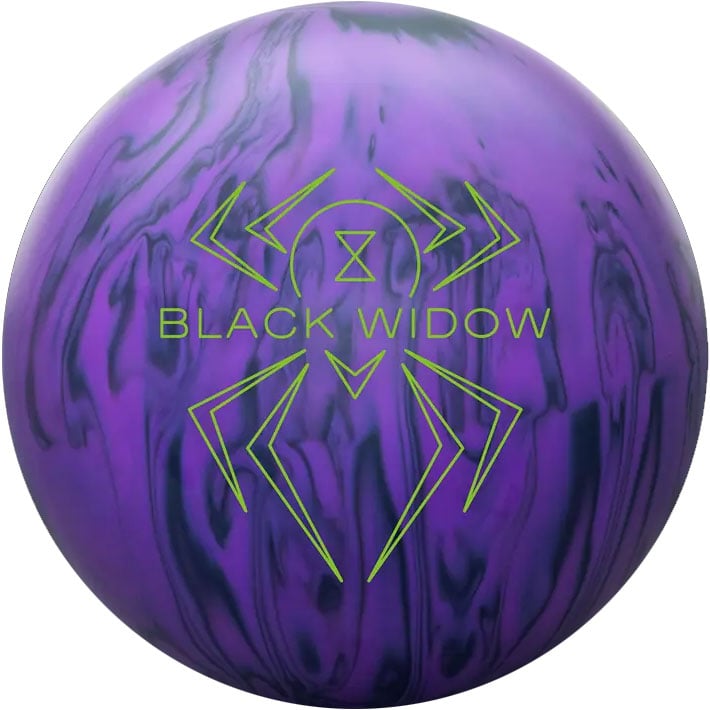
| Black Widow Urethane Black Pearl | 7/2/2024 |
| Magenta Urethane Pearl | 6/13/2023 |
| Purple Urethane Pearl (All Pins) | 9/22/2016 |
| Ball Name | Release Date |
|---|---|
| Up Beat Pearl SE | 8/20/2024 |
| Ball Name | Release Date |
|---|---|
| Jade Diamond | 11/12/2024 |
| Ball Name | Release Date |
|---|---|
| Ascend Black-Green-Teal | 4/30/2024 |
| Tank (Rampage) Pearl | 1/23/2024 |
| Ball Name | Release Date |
|---|---|
| Phiten Urethane | 9/5/2023 |
| Ball Name | Release Date |
|---|---|
| Frosted Power | 2/29/2025 |
| Stallion | 12/5/2023 |
| Ball Name | Release Date |
|---|---|
| Guardian Pink-Black-White | 5/14/2024 |
| Ball Name | Release Date |
|---|---|
| Hustle Black | 6/4/2024 |
| Hustle Deep Purple | 9/19/2023 |
| Hustle Navy | 9/5/2023 |
| Hustle Red | 6/4/2024 |
| UFO Alert | 3/9/2021 |
| Ball Name | Release Date |
|---|---|
| Electrify Solid | 3/23/2021 |
| IQ Tour 78/U | 10/17/2023 |
| Phaze 4 | 10/12/2021 |
| Pitch Black | 3/18/2014 |
| Trend 2 | 6/22/2021 |
| Ball Name | Release Date |
|---|---|
| Rise Black Pearl | 4/29/2025 |
| Rise Black-Purple Solid | 4/29/2025 |
| Rise Black-Silver Pearl | 4/29/2025 |
| Rise Blue-Silver Solid | 4/29/2025 |
| Rise Red-Black-Gold Pearl | 4/29/2025 |
| Ball Name | Release Date |
|---|---|
| Big Bro Burn-Up LE | 12/27/2022 |
| Buffalo | 3/7/2023 |
| Ball Name | Release Date |
|---|---|
| Theorem Black Pearl Urethane | 6/17/2025 |
| Theorem Black Urethane | 12/18/2024 |
| Ball Name | Release Date |
|---|---|
| Demon No. 1 | 4/1/2025 |
| UX Urethane | 8/19/2025 |
Can’t Find Your Ball? If your urethane ball isn’t listed here, it may still be legal for national tournaments if it meets the 78D hardness requirement and was manufactured after August 1, 2022. Contact the manufacturer or check our official FAQ document for more information.
Timeline: When Changes Take Effect
Understanding the implementation timeline helps you plan equipment purchases and tournament preparation effectively.
December 31, 2025: New manufacturing standards for 78D hardness requirement take effect
January 1, 2026: Tournament restrictions begin for national USBC events
Immediate: USBC adds hardness spot-check testing at national tournaments for research and enforcement
What This Timeline Means
You have approximately one year to prepare for these changes. This provides sufficient time to:
• Evaluate your current equipment against new standards
• Practice with reactive equipment for tournaments with urethane bans
• Plan equipment purchases around the new regulations
• Develop strategies for different tournament restriction levels
For specific tournament schedules and registration information, visit the official USBC tournaments page.
Industry Response and Future Implications
The bowling industry has been anticipating these changes, with manufacturers and competitive bowlers providing input during USBC’s formal comment period.
Key Stakeholder Perspectives
USBC Executive Director Chad Murphy stated: “These changes take positive steps toward addressing the issues related to athlete development, lane pattern integrity and competition equity. We know there will not be universal agreement, but this direction makes meaningful improvements to our competitions.”
Top-level bowler feedback emphasized the importance of ensuring “more bowlers are playing the same game” for the good of the sport.
Enforcement and Testing
USBC will implement immediate hardness spot-check testing at national tournaments. These checks serve dual purposes:
• Research and data collection to monitor equipment trends
• Enforcement tool to identify bowling balls suspected of tampering
• Competitive integrity protection through consistent equipment standards
A comprehensive research report and FAQ document are available for download for additional technical details.
Preparing for the Future of Competitive Bowling
These rule changes represent USBC’s commitment to maintaining competitive integrity and ensuring fair play across all skill levels. While not every bowler will agree with these decisions, they reflect careful consideration of feedback from manufacturers, players, and tournament officials.
Action Steps for Competitive Bowlers
Immediate Actions:
1. Review your current equipment against the new guidelines
2. Plan equipment purchases with tournament restrictions in mind
3. Practice with reactive equipment to maintain versatility
4. Stay informed about any additional rule clarifications from USBC
Long-term Strategy Considerations
Equipment Diversity: Develop proficiency with multiple ball types and surface preparations
Skill Development: Focus on techniques that work across different equipment restrictions
Tournament Planning: Research specific rules for each event you plan to enter
Practice Routine: Include reactive-only sessions to prepare for restricted tournaments
Join the Conversation
How do you feel about these new USBC rules? Are you planning to adjust your equipment arsenal for the 2026 season? These changes will shape competitive bowling for years to come, and every bowler’s perspective matters.
Share your thoughts and experiences with fellow bowlers in your league, and don’t forget to join our Striking Rewards loyalty program for exclusive insights and equipment recommendations as these new rules take effect.
Stay Connected: Follow our blog for ongoing coverage of rule changes, equipment updates, and expert analysis of how these changes affect different playing styles and skill levels.
Final Thoughts
The USBC’s new urethane ball regulations represent the most significant equipment rule changes in modern bowling history. While these restrictions may require adjustments to your tournament preparation and equipment strategy, they ultimately aim to create fairer, more competitive environments for all bowlers.
Whether you’re a seasoned tournament competitor or aspiring to compete at higher levels, understanding these rules and preparing accordingly will keep you competitive in the evolving landscape of organized bowling.
Looking to update your arsenal for the new USBC rules? Browse our complete selection of bowling balls with free shipping and our 60-day return guarantee. Our experts can help you choose equipment that meets both your style and tournament requirements.
Keep rolling and stay competitive! 🎳
Frequently Asked Questions: USBC Urethane Ball Rules
Based on community feedback and confusion surrounding these rule changes, here are answers to the most common questions bowlers are asking.
🎳 Will this affect my weekly league bowling?
Relax – you’re safe! These rules only target USBC national tournaments. Your Thursday night league, local tournaments, and weekend competitions continue unchanged. Think of this as “pro-level restrictions” that don’t trickle down to recreational bowling.
🛒 Can I still buy urethane bowling balls?
Absolutely! Urethane isn’t disappearing from pro shops. Manufacturers will produce 78D+ models for competitive players and continue making softer urethane for league bowlers. It’s more like having “tournament-grade” and “league-friendly” versions available.
🔬 What does “78D hardness” actually mean?
Think of it as a “firmness rating.” 78D measures how resistant the coverstock is to denting – like testing tire rubber. Higher numbers mean the ball stays consistent longer and can’t be “softened” through questionable methods. It’s USBC’s way of ensuring fair equipment standards.
⚡ Do these rules affect reactive resin balls?
Not even close! Your reactive arsenal remains completely untouched. These balls continue being legal across every USBC event – from local qualifiers to the U.S. Open. Reactive technology stays the backbone of competitive bowling.
🔍 How do I know if my urethane ball is affected?
Three-step equipment check: 1) Find the manufacturing date (pre-Aug 1, 2022 = tournament banned), 2) Check hardness specs (need 78D+ for some events), 3) Match your ball to tournament restrictions. When in doubt, contact the manufacturer or your pro shop.
🏆 Why different rules for different tournaments?
It’s about competitive hierarchy. Think of it like sports leagues – the NFL has stricter equipment rules than high school football. Premier events like the U.S. Open demand the highest equipment standards, while other tournaments allow more flexibility based on their competitive level.
🧪 Can balls be tested for hardness at tournaments?
Yes – USBC is bringing the science. Expect hardness spot-checks at nationals using specialized testing equipment. It’s like anti-doping for bowling balls, ensuring everyone competes with legal equipment and deterring any “creative modifications.”
❓ What if I don’t know my ball’s hardness rating?
Time for detective work! Check the manufacturer’s website, call their customer service, or ask your pro shop. Most companies maintain detailed specs for their products. If you can’t find the info, assume it might not meet 78D standards for restricted tournaments.
🎯 Which major tournaments still allow my urethane balls?
The “78D-friendly” events: USBC Open Championships, Women’s Championships, Senior tournaments, and Youth Opens welcome 78D+ urethane (manufactured after Aug 1, 2022). These represent the majority of tournament opportunities for most competitive bowlers.
💪 What should I practice with for urethane-banned tournaments?
Master your reactive arsenal! Focus on different surface preparations, release adjustments, and lane-reading skills that don’t rely on urethane’s unique characteristics. Think of it as expanding your bowling vocabulary beyond one “word.”
🎲 How will this change tournament strategies?
Get ready for evolution! Without urethane’s oil-absorption magic, lane patterns will play more predictably throughout competition. Expect increased emphasis on ball speed, rev rate, and axis rotation adjustments. The mental game becomes even more crucial.
🤯 Why is this rule so complicated with different restrictions?
USBC tried threading the needle. Rather than a sledgehammer approach, they balanced competitive fairness, tradition, and different tournament purposes. Think of it like speed limits – highways have different rules than school zones, each serving specific safety needs.
🔄 Will these rules change again in the future?
Possibly – this is bowling’s “beta test.” USBC will monitor competitive impact through hardness testing and tournament data. If the rules create unexpected problems or don’t achieve their goals, expect adjustments. Nothing in sports governance is set in stone forever.
🎭 How can a ball be “allowed but also banned” in the same tournament?
Welcome to Junior Gold’s Jekyll & Hyde rules! 78D urethane balls work fine for qualifying rounds, but once you reach match play, they’re off-limits. It’s like having different dress codes for the office lobby versus the boardroom.
🚫 Why didn’t USBC just ban all urethane completely?
They wanted surgical precision, not nuclear warfare. Complete bans are reserved for the sport’s most prestigious events where competitive purity matters most. For other tournaments, USBC decided regulated urethane (78D+) strikes the right balance between tradition and fairness.
Still Have Questions? Join our Striking Rewards loyalty program for ongoing updates and expert guidance as these rule changes take effect. We’ll help you navigate equipment decisions and tournament preparation strategies.
More Bowling News and Updates You May Enjoy
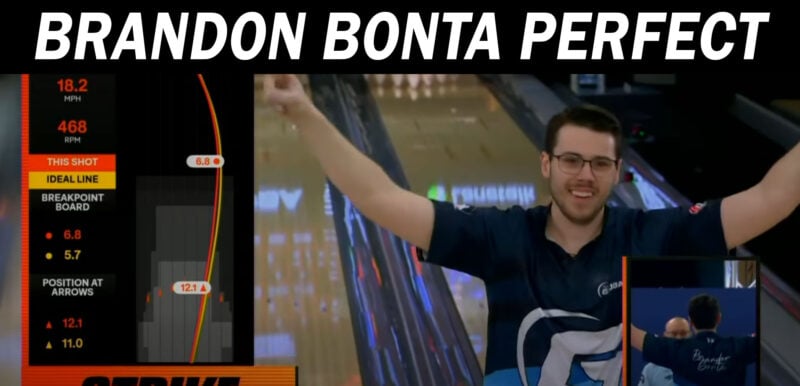
Rookie Brandon Bonta Rolls 300 to Win PBA Players Championship 2026
📋 Quick Facts: 2026 PBA Players Championship | Stepladder Finals at the International Training and [...]
Feb
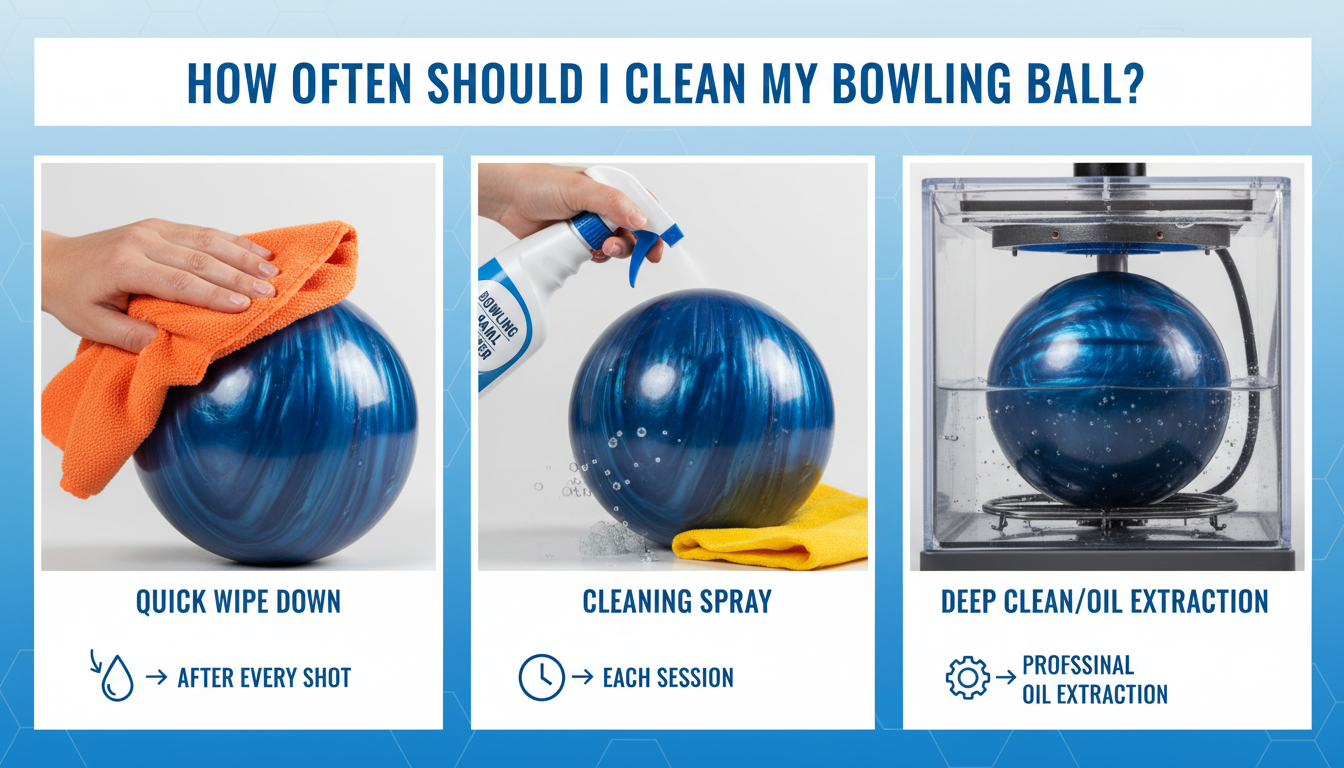
How Often & How Should I Clean My Bowling Ball?
How Often Should I Clean My Bowling Ball? Bowling balls are precision tools, and like [...]
Feb
Brunswick Drops 5 New Bowling Balls for 2026: Complete Specs, Reviews & Comparisons
By BowlersMart Staff | Published February 16, 2026 | Updated February 19, 2026 Brunswick’s family [...]
Feb
4 New Storm Bowling Balls for Spring 2026: Full Guide
Storm Products Inc. just loaded up bowlers’ bags for the spring 2026 season. Four new [...]
1 Comments
Feb
SWAG Just Released 6 New Performance Bowling Balls
SWAG Bowling released six new bowling balls on February 17, 2026: the Judgement Hybrid ($184.95), [...]
Feb
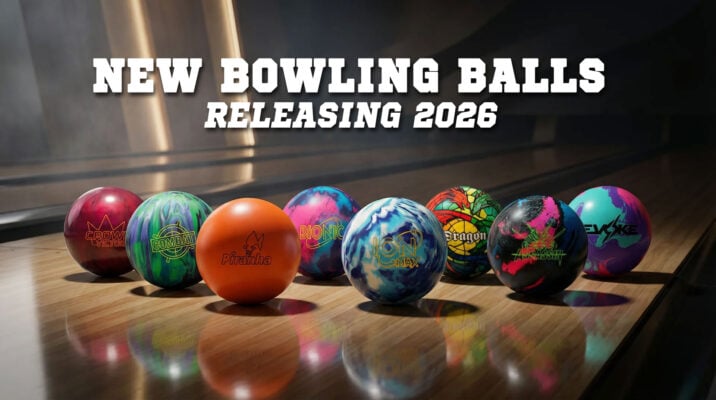
16 New Bowling Balls Available in 2026
*Last Updated March 14, 2026 | Updated Monthly with New Releases Thirty-one new bowling balls [...]
3 Comments
Jan

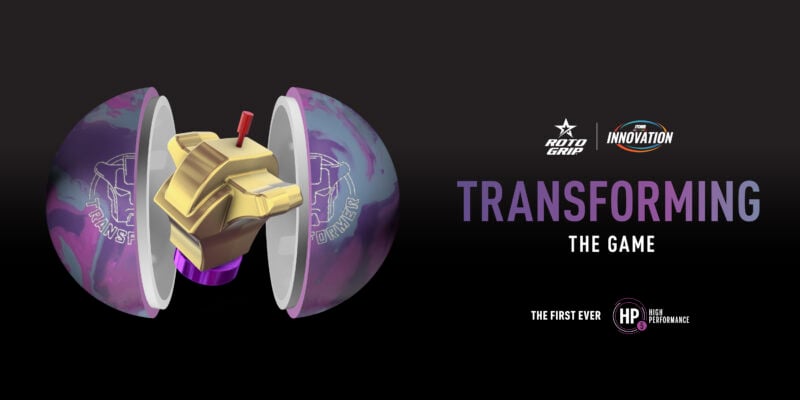
Roto Grip Transformer Review & Analysis Guide
Discover the Roto Grip Transformer bowling ball with its revolutionary Morph-Wing Core. Learn about specs, [...]
Jan
 Balls
Balls Shoes
Shoes Bags
Bags Accessories
 Apparel
 Deals
Deals
How about making the centers have working foul lights. That’s a big problem in today’s center
Exactly!!!!
Are 1980’s and 1990’s urethane balls allowed in these tournaments?
✅ 78D Urethane Allowed
Must Meet Hardness Requirements:
• USBC Open Championships
• USBC Women’s Championships
• Bowlers Journal Championships
• USBC Senior Masters
• USBC Super Senior Classic
• USBC Senior Queens
• Youth Open Championships
What about my Hammer “overseas” magenta I just bought from you and haven’t even drilled. I bowl in the USBC Open almost every year.
USBC just lost another bowler (of over 45 years) ! The problem is not urethane , the problem is the new cry babies that cant bowl or adjust ! i have plenty of reactive balls that eat up oil just as much or more than some of my urethanes , but i know how bto bowl & adjust ! Does it make me made when bowling agenst someone who messes up my line with whatever ball they are using , yes , but I adjust ! That the way the game is to be played !!!