
















Bowling Balls, Bowling How To's & Coaching Tips, Buying Guides, Hammer Buying Guides
Hammer Black Widow Tour V1 Bowling Ball Review & Analysis Guide

Hammer Black Widow Tour V1 Bowling Ball Review & Analysis Guide
Introduction
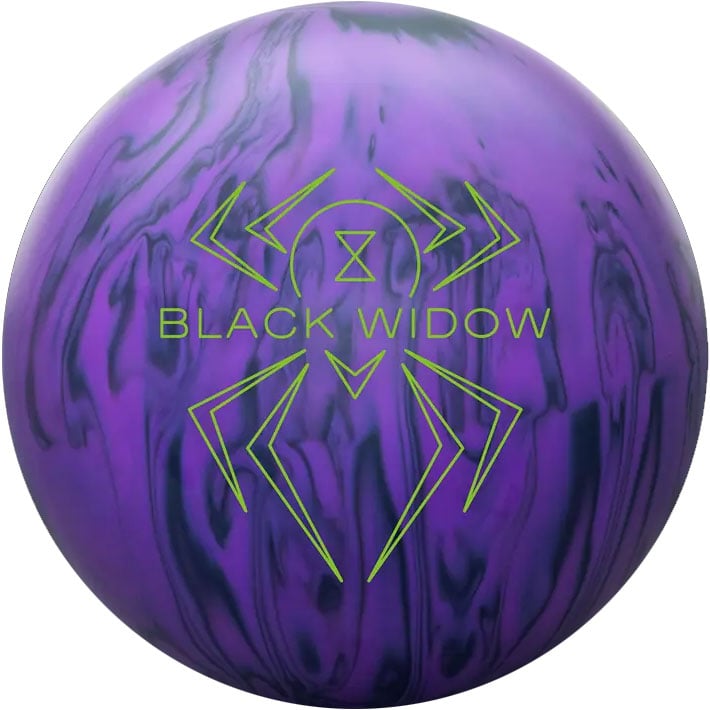
The Hammer Black Widow Tour V1 marks a new chapter in the storied Black Widow lineage. With a bold reengineering of its core and a high-performance coverstock, it aims to offer bowlers a refined blend of control, continuation, and versatility. In this review and analysis guide, we’ll dive into all aspects of the Tour V1 — from specs and performance to on-lane behavior and who it’s best suited for — using Hammer’s official details and Bill O’Neill’s on-lane demonstration.
1. Key Specifications & Design Features
Below are the headline specs and design highlights of the Black Widow Tour V1:
| Spec | Detail |
|---|---|
| Performance Class | Upper Mid |
| Part Number | 60-108467-93X |
| Color | Black / Blue / Purple |
| Core | Gas Mask Low Diff (modified) |
| Coverstock | HK22 Aggression Hybrid Reactive |
| Finish | 500 / 1000 / 3000 Siaair Micro Pad |
| Weight Range | 16 lb down to 12 lb |
| Lane Condition | Medium oil |
| Reaction Style | Length with continuous backend |
| RG / Diff (example) | 16 lb: RG 2.510 / Diff 0.030 (ASY 0.015) |
| Warranty | 2 years from purchase |
| Release Date | September 18, 2025 |
Hammer states that this is the first time in the Black Widow line they have removed the flip block from the Gas Mask core, reducing the differential by over 20 points (i.e. making the motion less dramatic). The goal: more controlled motion while retaining the signature power and continuation you expect from a Widow.
The chosen cover, HK22 Aggression Hybrid, gives a balance between traction and control, wrapped around a core designed to roll earlier and react more predictably. The 3000 Siaair finish helps it grip the midlane without being overly sharp through the front.
2. Core & Cover Interaction – What’s New
Core (Gas Mask Low Diff “Tour”)
One of the biggest differentiators of the Tour V1 is that Hammer removed the flip block from the original Gas Mask core, turning it into a Low Differential asymmetric design. This reduces dramatic “flare potential,” thereby softening the transitions.
In his video, Bill O’Neill throws the ball and notes that even with this change, the ball still has a distinct, controlled shape, but doesn’t overreact at the breakpoint. He demonstrates that the Tour V1 maintains a clean, predictable motion, especially on medium patterns.
Overall, the modified core is intended to temper the aggressive nature of previous Widows while preserving the character that made them popular.
Coverstock (HK22 Aggression Hybrid)
The hybrid reactive cover gives the Tour V1 a versatile balance: sufficient midlane grip without overwhelming friction, and a smooth but continuous backend. Because the differential is low, the coverstock’s job is amplified — it must maintain midlane traction without making the ball snappy off the friction. Hammer’s finish (500 / 1000 / 3000 Siaair Micro Pad) supports this by softening the initial skid and promoting a controlled midlane roll.
In O’Neill’s video, you can see that the ball doesn’t push hard too early; instead, it holds in the midlane and then transitions cleanly to the back of the lane.
The synergy between a restrained core and a well-engineered hybrid cover is central to the Tour V1’s appeal.
3. On-Lane Performance & Motion Analysis
Entry & Midlane Behavior
Because of the low differential core, the Tour V1 is less aggressive up front compared to earlier Widows. The ball tends to roll earlier and more smoothly through fresher oil, giving the bowler more control in the first two-thirds of the lane. This is especially useful when you need to avoid overreaction or deflection in carrydown. The HK22 cover helps maintain traction through this portion.
In the video, O’Neill demonstrates that the ball doesn’t push too much off the friction line; instead, it flows gently and holds its line until closer to the breakpoint.
Backend Response & Continuation
Once it transitions out of the midlane, the Tour V1 delivers a continuous, less abrupt backend motion. Because the differential is reduced, it’s less likely to over-hook or bite sharply in the back end; the reaction is more measured and controlled, but still carries well through the pins. O’Neill highlights this trait, noting that the ball retains the “Widow punch” without being overly aggressive.
In practice, that means fewer misses down and away or over-reacting to friction changes late in the lane — especially helpful when lane conditions shift mid-game.
Condition Versatility
While Hammer positions the ball for medium oil patterns, the Tour V1 shows promise on a wider range of conditions. Thanks to its tempered motion, it can handle slightly drier zones better than some more volatile balls, though it still needs oil to read. It may struggle in extremely heavy oil compared to higher-differential designs, but in average league and tournament patterns, it should shine.
Because of its moderate motion, this ball can be effective for bowlers of varying styles (high speed, moderate speed, high rev, etc.) if they match it with proper surface adjustments and layouts.
In the customer reviews on Hammer’s site, users mention that it becomes a “transition ball” — strong where other more angular balls might overreact, and offering shape where smoother balls might fade.
One review notes:
“The Tour V1 rolls early like a Widow, but definitely has a more controlled back end response at the break point.” HammerBowling
Another comment:
“Adding a huge core to a smooth cover is an amazing combination … higher friction houses are going to love this one.” HammerBowling
These observations align with O’Neill’s demonstration showing it holding its line through friction changes and reacting predictably throughout.
4. Recommended Layouts, Surface Adjustments & Drilling Tips
Suggested Layouts
Given the lower differential core and desire for smoother motion, many bowlers may prefer balanced or control-friendly layouts — not overly aggressive ones. In the video, O’Neill uses a 45 x 4¾ x 25 (presumably) layout on the ball in box surface, which yields a clean yet controlled motion.
If you tend to experience overreactions, choose a layout that limits flare and emphasizes control. Conversely, if your style is slower or lower-rev, a more aggressive layout (within reason) may help coax more motion, but you’ll have to test carefully to avoid losing control.
Surface Polishing / Sanding
Hammer ships the Tour V1 with the 500 / 1000 / 3000 Siaair micro pad finish. If on your house shots it’s too strong or snappy on the back end, you might sand it down (e.g., 4000 or 5000 polish) to tame the backend bite. Conversely, if it’s tailing too much or not getting through the heads, you could rough it up slightly (say 1000 or 1500) to increase midlane traction.
Because the core is lower differential, surface changes will have a more noticeable effect on motion than drastic core changes would.
Maintenance & Surface Preservation
Like any reactive ball, maintain the cover by cleaning it with ball cleaner, rejuvenating periodically, and avoiding heat. Keep consistent surface condition so your expectations of its motion remain stable over time.
5. Strengths, Trade-offs & Best Use Cases
Strengths
-
Controlled yet powerful motion: The Tour V1 strikes a balance between the aggression of prior Widows and the need for control in changing conditions.
-
Versatility on medium patterns: It performs well on typical league and tournament conditions where controllability is key.
-
Transition or benchmark ball: Because of its refined motion, it can bridge the gap between smoother and more angular balls.
-
Predictable backend: The modified core reduces the risk of over-hooking or harsh deflections.
-
Wide appeal: Appropriate for bowlers of varying styles who need a dependable mid-to-back motion.
Trade-offs / Limitations
-
Less flare potential: Because of the reduced differential, you won’t get extreme hooking shape or wild movement.
-
May struggle on very heavy oil: In extremely oily conditions, it might not push through as aggressively as high-diff, stronger-cover balls.
-
Surface sensitivity: Adjustments in surface may more strongly affect reaction; choosing the right finish is important.
-
Not a “shock-and-dive” ball: If you want sharp angular motion as a primary tool, this is more of a complementary piece.
Ideal Use Cases
-
When lane conditions are medium or transitioning
-
As a benchmark or control ball when others are too aggressive
-
For tournaments where consistency and predictability matter
-
For bowlers who want “Widow DNA” but with a smoother, controlled motion
6. Final Verdict & Recommendation
The Hammer Black Widow Tour V1 is a bold reimagining of the classic Widows — trading some of the dramatic flair for more control, all while retaining much of the power and continuation that made the line legendary. The modified Gas Mask low differential core combined with the HK22 hybrid cover positions this ball as a strong, versatile piece for medium oil conditions and dynamic lane transitions.
Bill O’Neill’s on-lane demonstration confirms that the Tour V1 doesn’t overreact; it maintains line through changing friction and offers clean transitions.
If your arsenal currently includes reactive balls that are strong but sometimes overdo the motion, this might slot in beautifully as a transition or control ball. If you primarily bowl on very heavy oil, you’ll want to complement it with stronger pieces. But for many bowlers seeking that refined “Widow feel” in a more controlled package, the Tour V1 is worth serious consideration.
recommended Bowling gear


more bowling articles you may enjoy
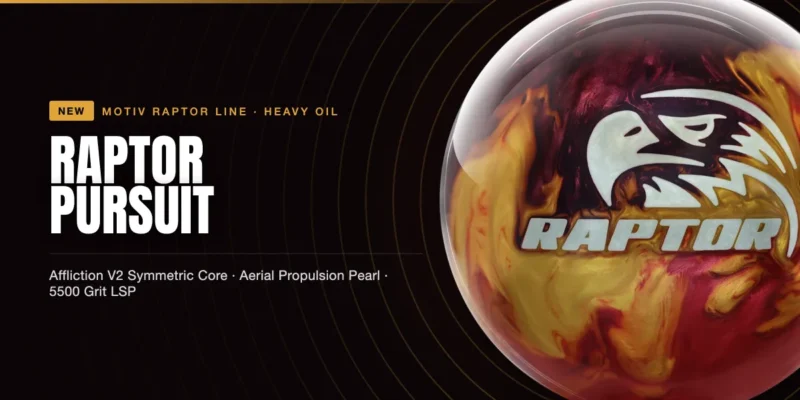
Motiv Raptor Pursuit Bowling Ball Review: Affliction V2 Core + Aerial Propulsion Pearl Cover
By Brian Halstrom, BowlersMart Editorial Team. Specs on this page are verified against Motiv’s official [...]
Sep

Roto Grip Perfect Gem Bowling Ball Review: GEM + A.I. Core and the New E-R1 Solid Cover
By Brian Halstrom, BowlersMart Editorial Team. Specs on this page are verified against Roto Grip’s [...]
Sep

900 Global Portal Bowling Ball Review: Conduit A.I. Core + RB 92 Solid Coverstock
By Brian Halstrom, BowlersMart Editorial Team. Specs on this page are verified against 900 Global’s [...]
Sep

Hammer and Ebonite Drop 5 New Bowling Balls for September 2026: Here’s What You Need to Know
By Brian Halstrom, BowlersMart Editorial Team | Published September 2026 Hammer and Ebonite just announced [...]
Sep
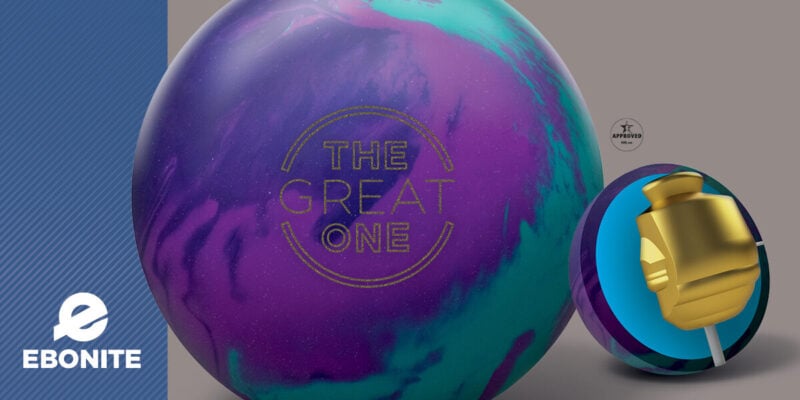
Ebonite The Great One Bowling Ball Review: Centrex Core + HK22C2 GB 15.1 Solid Cover
By Brian Halstrom, BowlersMart Editorial Team. Specs on this page are verified against Ebonite’s official [...]
Sep
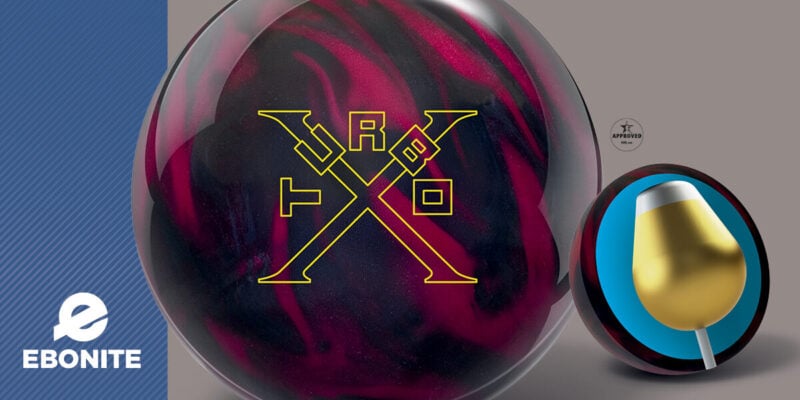
Ebonite Turbo X Pearl Bowling Ball Review: Turbo Core + HK22 GB 10.7 Pearl Cover
By Brian Halstrom, BowlersMart Editorial Team. Specs on this page are verified against Ebonite’s official [...]
Sep
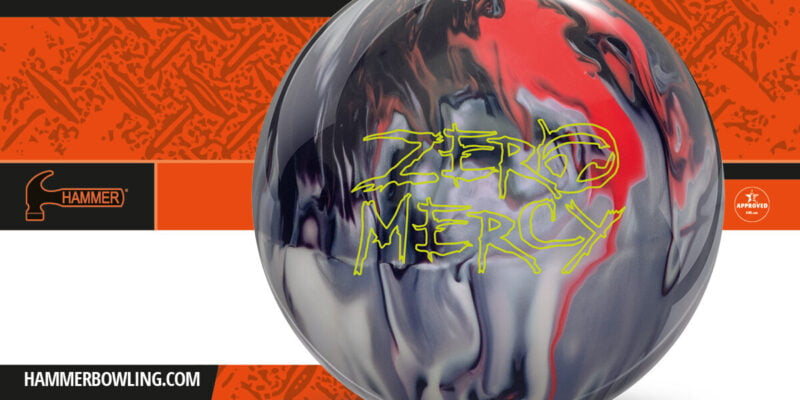
Hammer Zero Mercy Hybrid Bowling Ball Review: Super Offset Core + HK22C2 Hybrid Cover
By Brian Halstrom, BowlersMart Editorial Team. Specs on this page are verified against Hammer’s official [...]
Sep
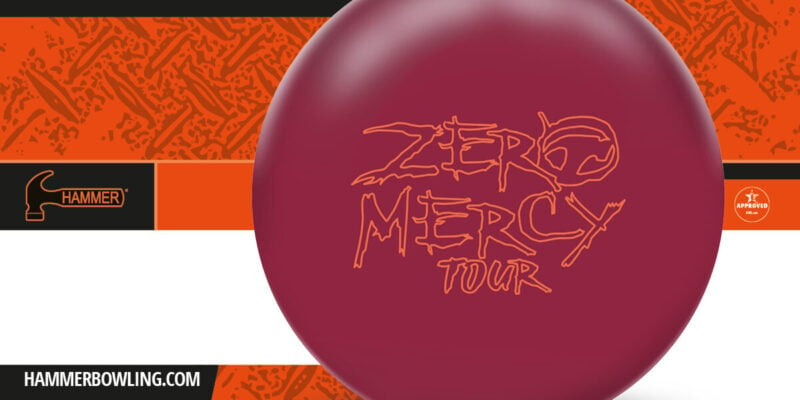
Hammer Zero Mercy Tour Bowling Ball Review: Obsession Tour Core + C2 Tour Edition Cover
By Brian Halstrom, BowlersMart Editorial Team. Specs on this page are verified against Hammer’s official [...]
Sep
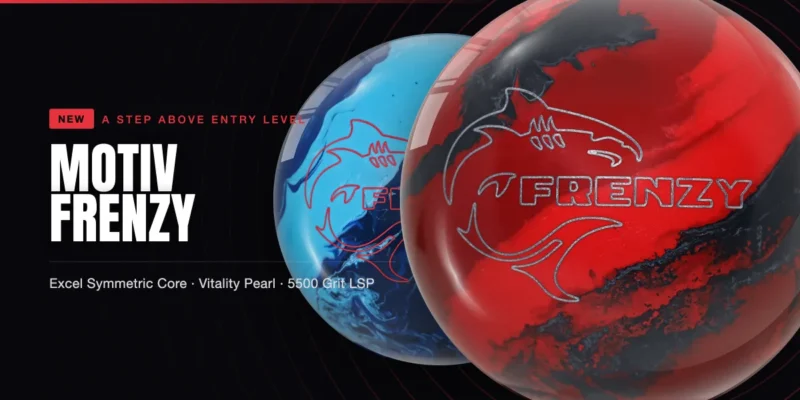
Motiv Frenzy Bowling Ball Review: Excel Core + Vitality Pearl in Blue/Teal and Red/Black
By Brian Halstrom, BowlersMart Editorial Team. Specs on this page are verified against Motiv’s official [...]
Sep
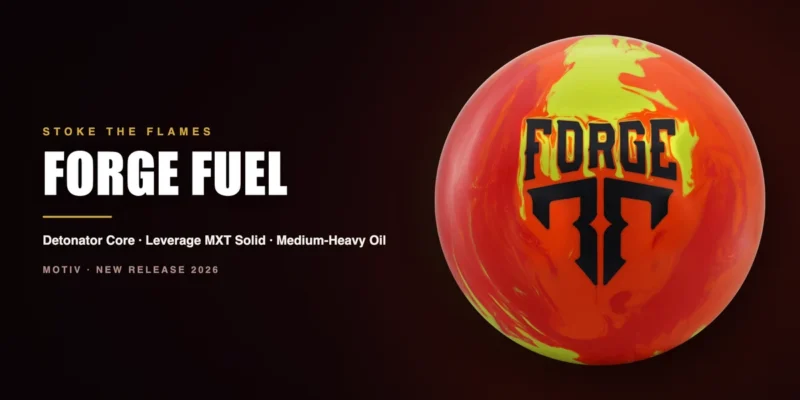
Motiv Forge Fuel Bowling Ball Review: Detonator Core + Leverage MXT Solid Reactive Cover
By Brian Halstrom, BowlersMart Editorial Team. Specs on this page are verified against Motiv’s official [...]
Aug
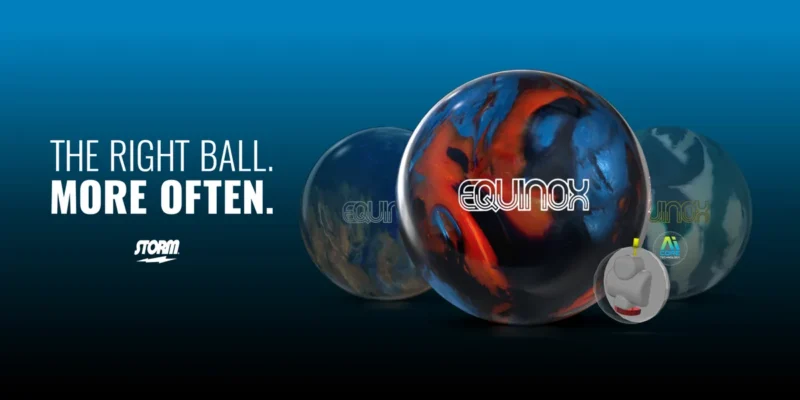
Storm Equinox Hybrid Bowling Ball Review: Solarion A.I. Core + A2S Hybrid Coverstock
By Brian Halstrom, BowlersMart Editorial Team. Specs on this page are verified against Storm’s official [...]
3 Comments
Aug

PBA ELITE Regional Tour: A Bigger Prize Pool, a Shorter Schedule, and the Questions Nobody Has Answered Yet
By Brian Halstrom, BowlersMart Editorial Team | Published August 2026 Regional bowling just got its [...]
Aug
 Balls
Balls Shoes
Shoes Bags
Bags Accessories
 Apparel
 Deals
Deals