Original price was: $37.99.Current price is: $21.95.
Original price was: $12.99.Current price is: $9.95.
Original price was: $12.99.Current price is: $8.95.
Original price was: $12.99.Current price is: $9.95.
Original price was: $27.99.Current price is: $13.95.
Original price was: $59.95.Current price is: $35.95.

Understanding Abralon Grits for Bowling Ball Surface Management

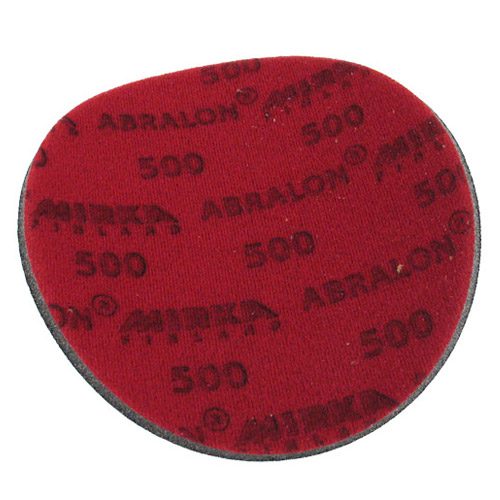
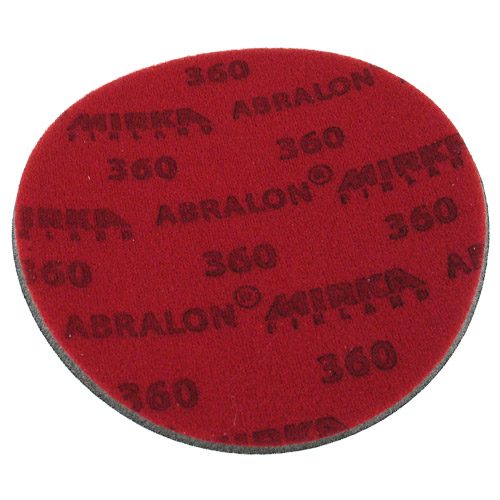
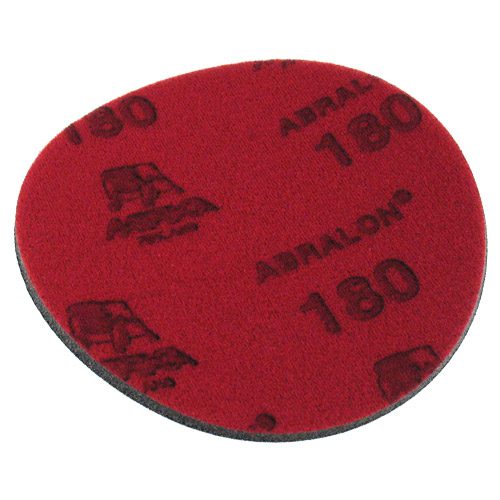
Choosing the right Abralon grit is crucial for achieving your desired ball reaction. Lower grits like 180, 360, and 500 create aggressive surface textures that provide more traction in heavy oil conditions. These coarser grits help your bowling ball read the lane earlier and create a stronger backend reaction.

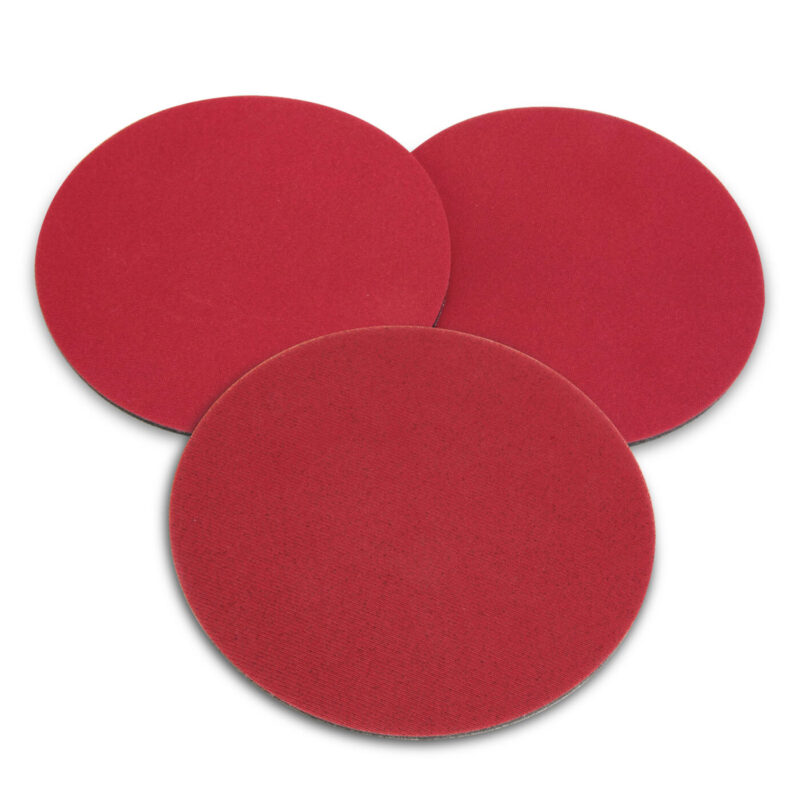
Medium grits ranging from 1000 to 2000 offer versatile performance for most lane conditions. These Abralon sanding pads provide a balanced approach, giving you controllable ball motion without being too aggressive or too smooth.

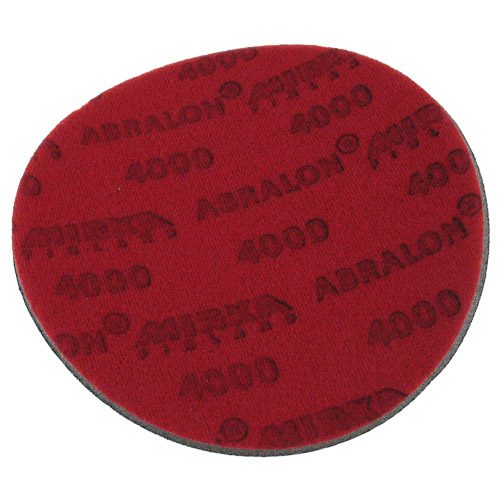
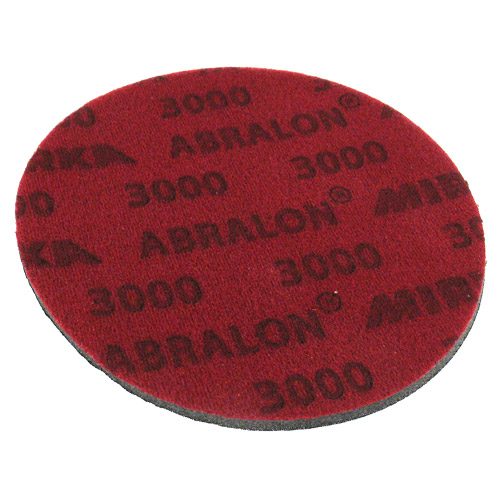
Higher grits like 3000 and 4000 create smoother surfaces ideal for lighter oil patterns or when you need length through the heads. These finer grits help your ball maintain energy longer before making its move toward the pocket.

Abralon Application Tips

  • Use with water: Always wet sand for best results
  • Consistent pressure: Apply even pressure across the ball surface
  • Multiple directions: Sand in different directions for uniform texture
  • Progressive grits: Start coarse and work to finer grits
  • Clean thoroughly: Remove all residue after sanding

When to Use Different Abralon Grits

Heavy Oil Conditions (180-500 grit): Use aggressive grits when you need maximum traction and early ball reaction. Perfect for fresh oil patterns or when your ball isn't hooking enough.

Medium Oil Conditions (1000-2000 grit): These versatile grits work well for most house shot conditions, providing predictable ball motion and good carry through the pins.

Light Oil Conditions (3000-4000 grit): Smoother surfaces help you maintain control on drier lanes while still providing enough backend reaction for strikes.

Professional Surface Maintenance

Regular surface maintenance with Abralon pads extends your bowling ball's lifespan and maintains consistent performance. Professional bowlers adjust their ball surfaces frequently to match changing lane conditions throughout competition.

Start with your ball's factory finish and experiment with different grits to find what works best for your style and local lane conditions. Keep detailed notes about which surfaces work best in different situations.

Frequently Asked Questions About Abralon Sanding Pads

How often should I resurface my bowling ball with Abralon pads?

Resurface your bowling ball every 60-90 games or when you notice decreased performance. Competition bowlers may resurface more frequently based on lane conditions and oil patterns. Signs that indicate it's time to resurface include: reduced hook potential, inconsistent ball reaction, visible track wear, or when your ball feels "dead" compared to its original performance.

Can I use Abralon pads on all bowling ball types?

Yes, Abralon pads work effectively on reactive resin, urethane, and particle bowling balls. However, always check your ball manufacturer's recommendations for specific surface maintenance guidelines. Some high-performance balls may have special coating requirements or recommended grit ranges for optimal performance.

What's the difference between Abralon pads and regular sandpaper?

Abralon pads use a mesh backing that provides more consistent results and better durability than traditional sandpaper. The mesh design allows for better debris removal during sanding and prevents clogging. This results in more uniform surface texture and longer-lasting pads that maintain their grit effectiveness through multiple uses.

Do I need different Abralon grits for different bowling styles?

Your rev rate, ball speed, and axis rotation influence which grits work best for your style. Higher rev rate bowlers often prefer smoother surfaces (2000-4000 grit) to control their ball reaction, while lower rev bowlers may need more aggressive textures (500-1500 grit) to generate adequate hook potential.

Should I wet sand or dry sand with Abralon pads?

Always wet sand with Abralon pads for best results. Water prevents heat buildup that can damage your ball's coverstock, provides lubrication for smoother sanding, and helps remove debris for cleaner surface preparation. Use a spray bottle to keep the surface damp throughout the sanding process.

How do I know which Abralon grit to start with?

Start with your ball's factory finish as a baseline, then adjust based on lane conditions. If your ball isn't hooking enough, use a more aggressive grit (lower number). If it's hooking too early or too much, use a finer grit (higher number). Most bowlers find 1000-2000 grit works well for typical house shot conditions.

Have questions about choosing the right Abralon grit for your bowling style? Contact our expert staff of bowlers for personalized assistance.