Understanding Bowling Ball Cleaners vs Polish
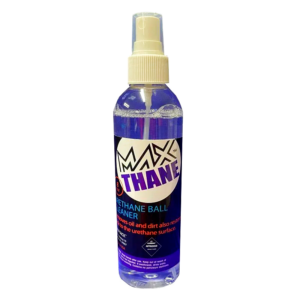
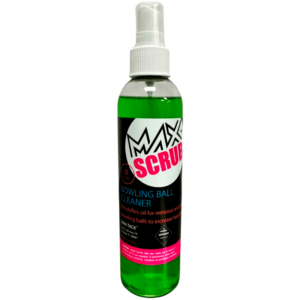
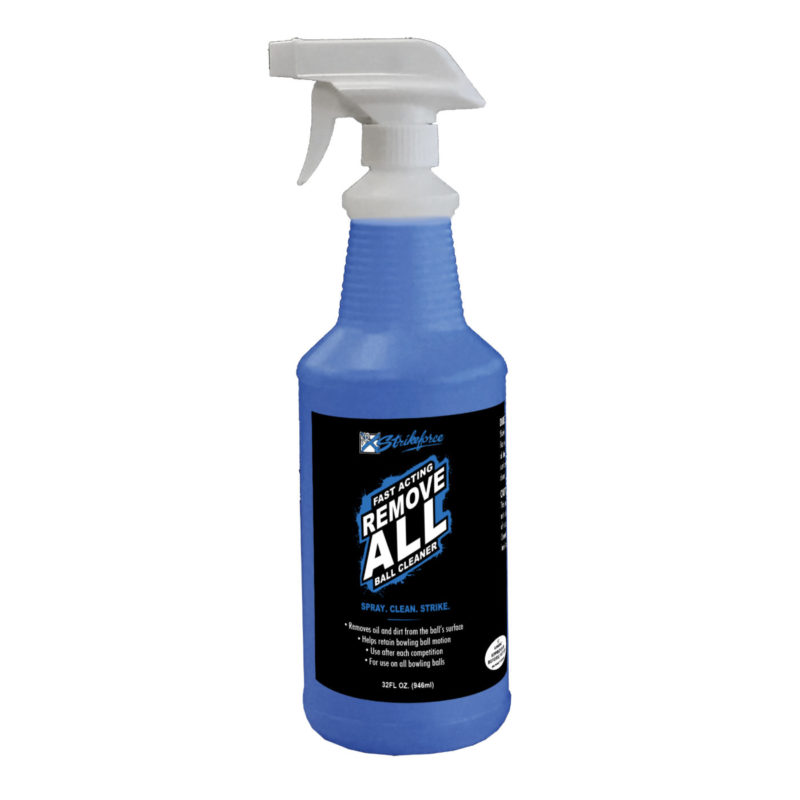
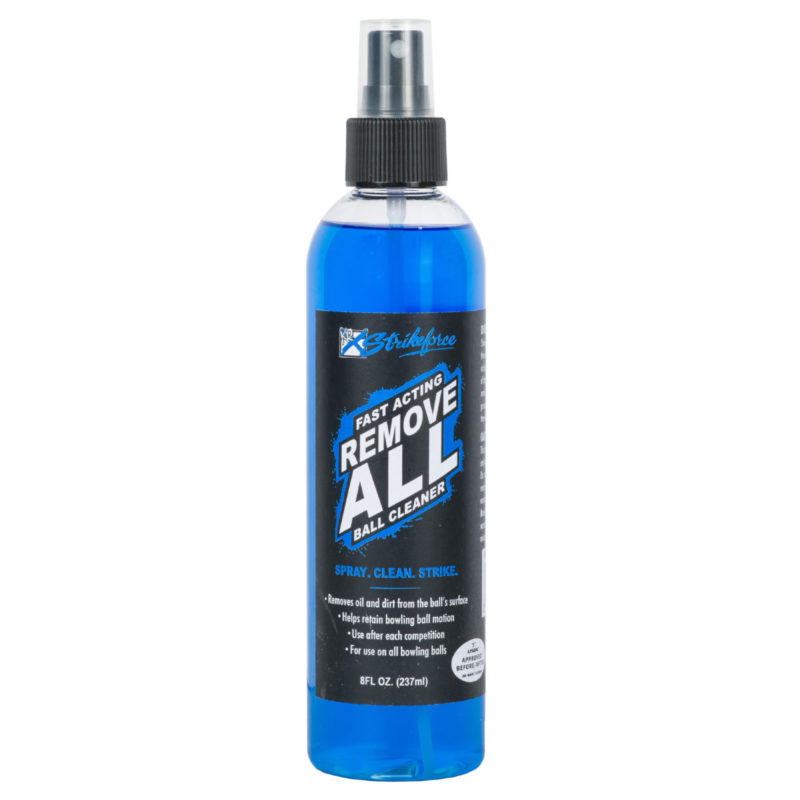
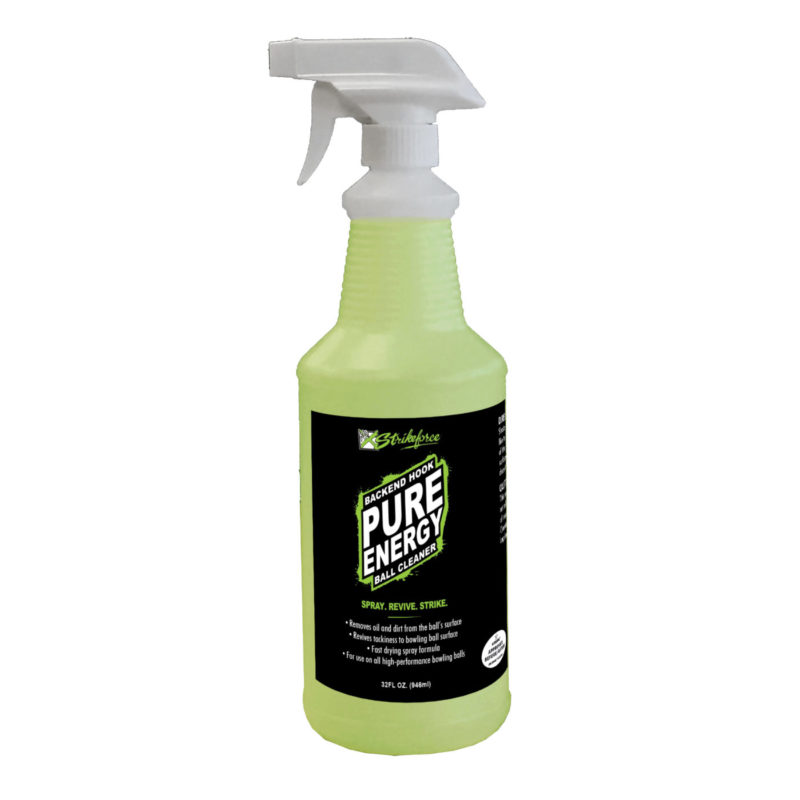
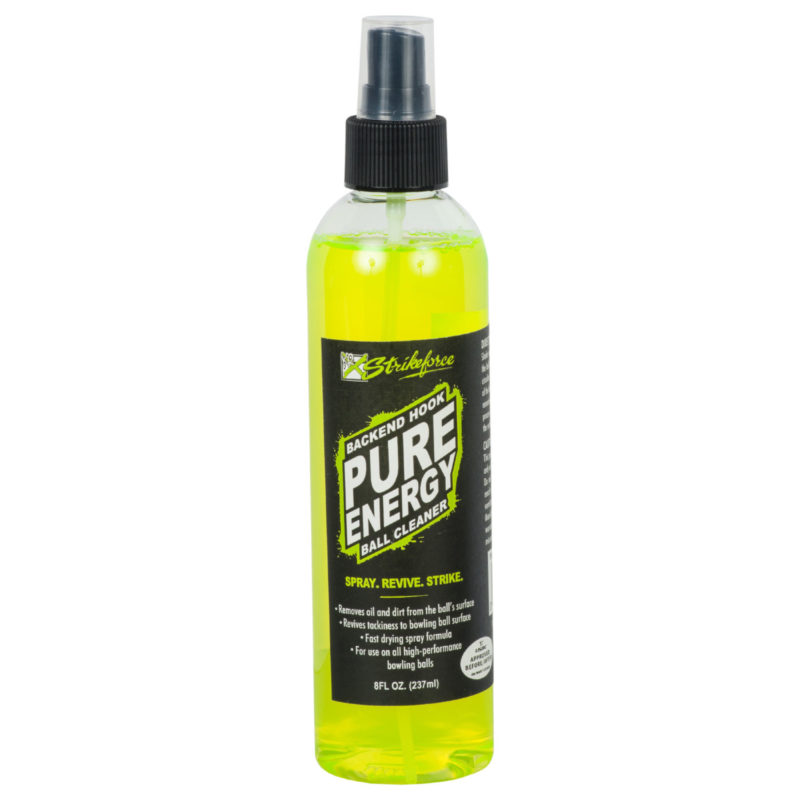
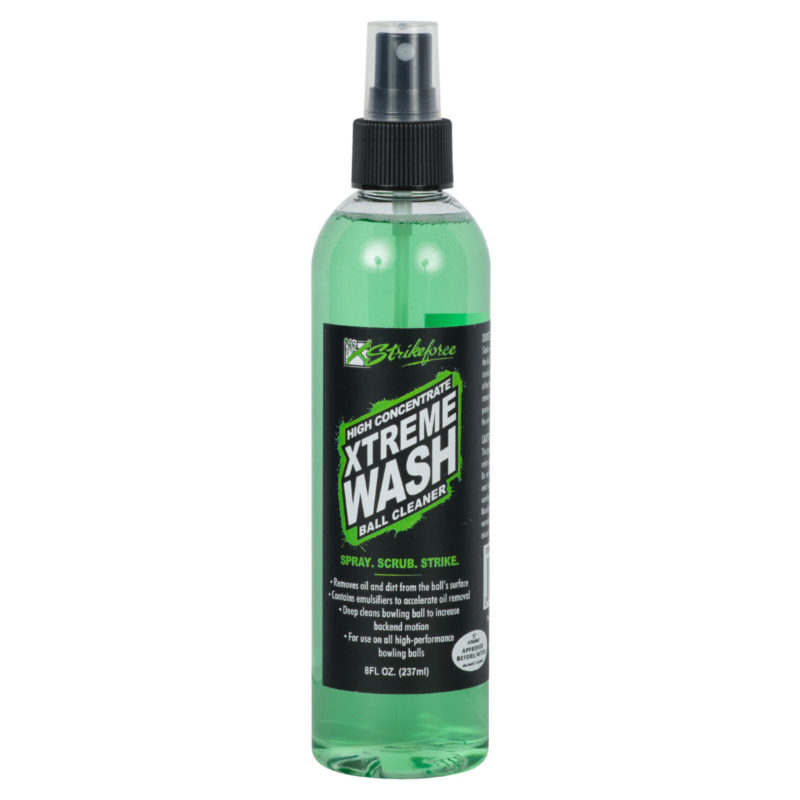
Bowling ball cleaners are designed to remove oil, dirt, and lane residue that accumulates during play. These products penetrate the coverstock surface to extract embedded contaminants that affect ball reaction and reduce hook potential.
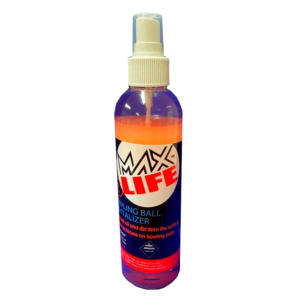
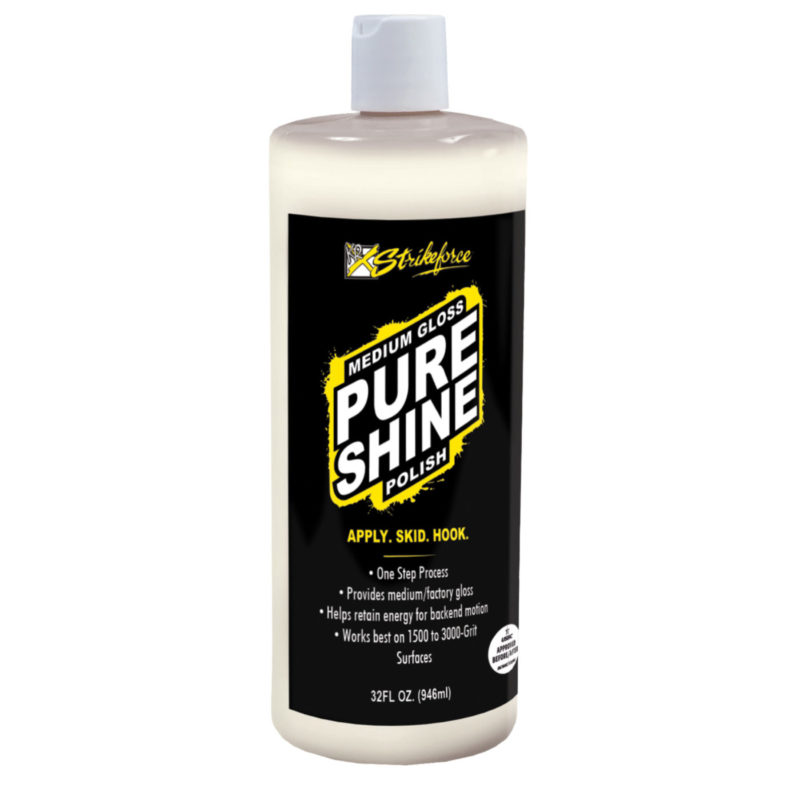
Bowling ball polish serves a different purpose, creating a smooth, shiny surface that helps your ball glide through oil patterns with less friction. Polish is typically used after cleaning to restore factory finish or create specific surface reactions.
Many bowlers use both products in sequence: cleaner first to remove buildup, followed by polish to achieve desired surface characteristics. This combination provides optimal ball performance and extends equipment lifespan significantly.
Cleaning & Polish Benefits
- Removes oil buildup: Restores original ball reaction
- Extends ball life: Prevents coverstock damage
- Improves consistency: Predictable ball motion
- Enhances hook potential: Better lane grab
- Maintains appearance: Keeps balls looking new
Types of Bowling Ball Cleaners
Lane-side cleaners are USBC-approved products you can use before and during competition. These quick-acting formulas remove surface oil without deep penetration, perfect for maintaining performance between frames.
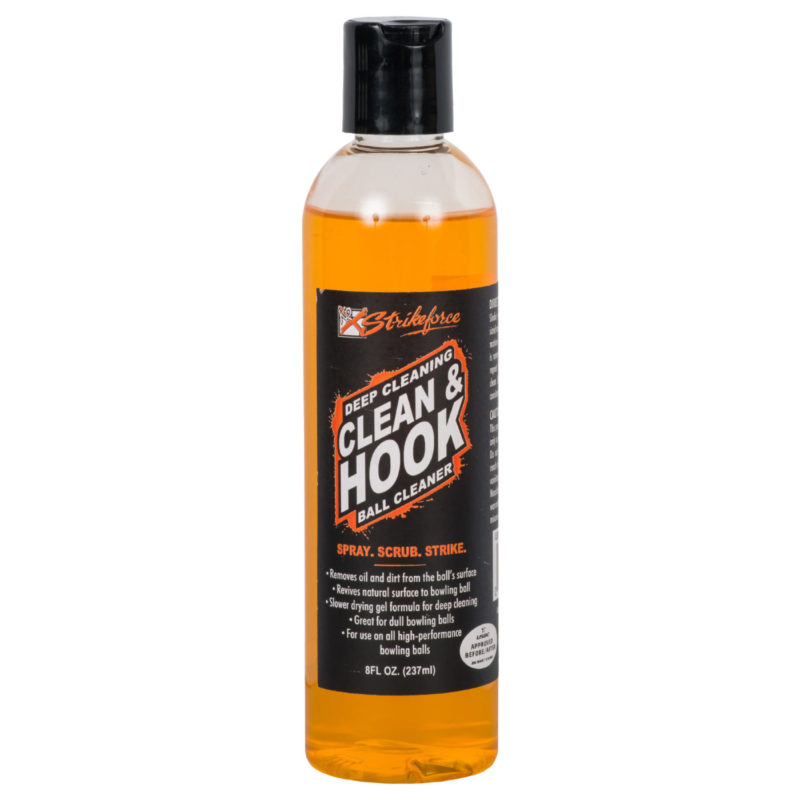
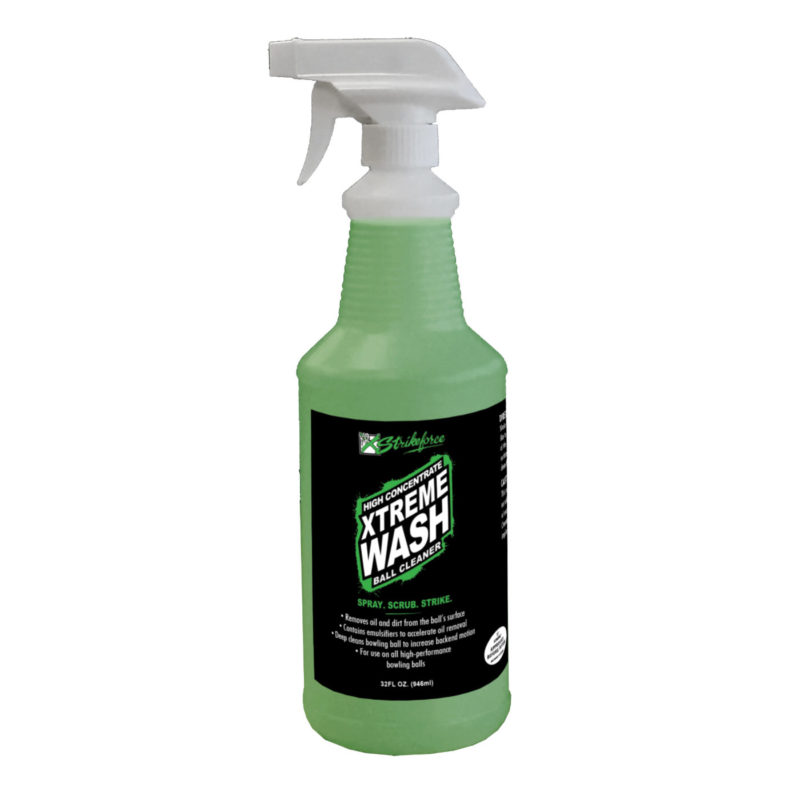
Deep cleaning products are designed for home use and provide thorough coverstock restoration. These stronger formulas remove embedded oil and contaminants that lane-side cleaners cannot reach.
All-purpose cleaners work both on the lanes and at home, offering versatility for bowlers who want one product for all cleaning needs. These balanced formulas provide good cleaning power without being overly aggressive.
Polish Types and Applications
High-gloss polish creates maximum shine and reduces friction for length through oil patterns. This type works well on heavy oil conditions where you need ball skid distance.
Medium polish provides balanced surface characteristics suitable for most house shot conditions. These products offer controlled shine without making the ball too slippery.
Compound polish combines mild abrasives with polishing agents to smooth surface imperfections while adding shine. Perfect for restoring older balls or adjusting factory finishes.
Professional Cleaning Techniques
Effective bowling ball cleaning requires proper technique for best results. Always clean your ball with the label holes facing up to prevent cleaner from entering the finger holes and affecting internal balance.
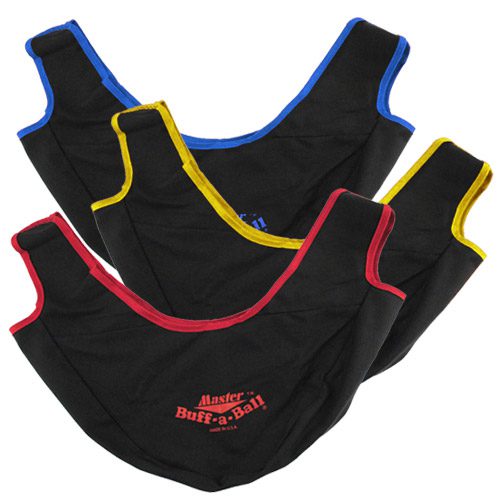
Apply cleaner liberally and allow adequate dwell time for oil penetration. Use microfiber towels or approved cleaning pads in circular motions, working from the pin area outward to avoid streaking.
For deep cleaning, repeat the process multiple times until no residue appears on your cleaning cloth. This thorough approach ensures complete oil removal and optimal ball performance restoration.
When to Clean and Polish
Clean your bowling ball after every session for consistent performance. Oil absorption happens quickly during play, and immediate cleaning prevents deep penetration that becomes harder to remove.
Polish application frequency depends on lane conditions and personal preference. Tournament bowlers may polish between rounds to adjust surface reaction, while league bowlers might polish weekly.
Monitor your ball's performance closely. Reduced hook, inconsistent reaction, or visible track marks indicate cleaning needs. Don't wait for dramatic performance drops before maintenance.
Frequently Asked Questions About Ball Cleaners and Polish
Clean your bowling ball after every session with an approved cleaner. For deep cleaning, use stronger products weekly or after every 3-4 games. Tournament bowlers should clean between rounds to maintain consistent ball reaction throughout competition.
No, household cleaners can damage bowling ball coverstocks and may not be USBC-approved for competition use. Use only bowling-specific cleaners that are formulated for reactive resin, urethane, and polyester ball materials.
Cleaners remove oil, dirt, and lane residue from the ball surface. Polish creates a smooth, shiny finish that affects ball reaction. Cleaners restore performance by removing contaminants, while polish adjusts surface characteristics for specific lane conditions.
Always clean before polishing. Cleaning removes oil and contaminants that would prevent polish from adhering properly. Apply cleaner first, allow it to work, wipe clean, then apply polish for best results and surface consistency.
Not all cleaners are USBC-approved for use during competition. Check product labels for USBC approval before using during league or tournament play. Deep cleaning products are typically for home use only, while lane-side cleaners are approved for competition.
When used properly, bowling-specific cleaners and polishes are safe for all ball types. However, overuse of aggressive cleaners or using household products can damage coverstocks. Follow manufacturer instructions and use products designed for your ball type.
Questions about choosing the right cleaners and polish for your bowling balls? Contact our expert staff of bowlers for advice.

Hammer Rotating Ball Cup