











Basic Bowling Tips, Physical Game Tips
Exploring Two-Handed Bowling: Evolution, Misconceptions, and Allure
Have you ever watched Jason Belmonte throw a strike and wondered how he makes it look so easy? Maybe you’ve tried two-handed bowling yourself but felt awkward or unsure if you were doing it right.
Two-handed bowling isn’t just a flashy style – it’s a legitimate technique that can help bowlers of all skill levels improve their game. Yet many bowlers avoid trying it because of myths and misconceptions.
In this guide, you’ll learn the real story behind two-handed bowling, discover why it’s perfectly legal, and find out if this style might work for you.
Two-Handed Bowling: Everything You Need to Know
Two-Handed Bowling Purpose: Learn the facts about this growing technique and discover if it could improve your game.
What Is Two-Handed Bowling?
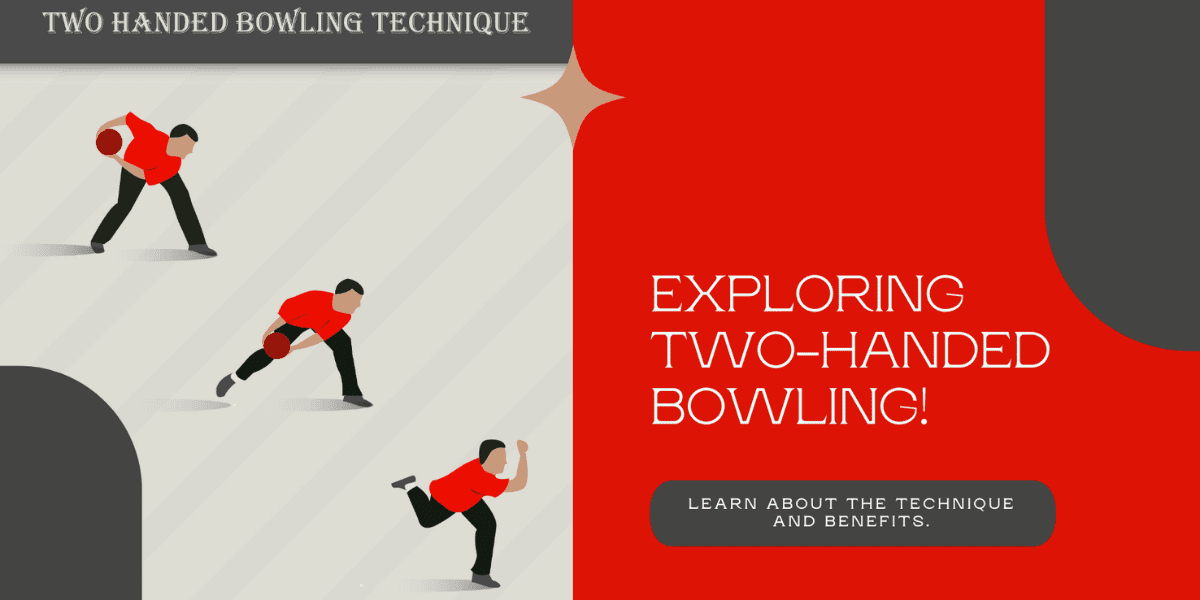
Two-handed bowling is exactly what it sounds like – using both hands to deliver the ball down the lane. But there’s more technique involved than you might think.
Unlike one-handed bowling where your non-dominant hand only supports the ball, two-handed bowlers use both hands throughout their approach and release.
Key Difference: Two-handed bowlers can generate more rev rate (ball rotation) and often achieve higher pin carry than traditional one-handed styles.
Famous Two-Handed Bowlers
The most famous two-handed bowler is Jason Belmonte, who has won multiple PBA titles using this technique. Other notable two-handed pros include Osku Palermaa from Finland and Kyle Troup from the United States.
These bowlers prove that two-handed technique can compete at the highest levels of professional bowling.
Common Misconceptions About Two-Handed Bowling
Debunking Popular Myths
“It’s Cheating”
Reality: Two-handed bowling is completely legal in all sanctioned bowling organizations including USBC and PBA.
“You Add Spin With Second Hand”
Reality: Both hands release simultaneously. The second hand doesn’t add extra rotation after release.
“It’s Just for Beginners”
Reality: Professional bowlers like Jason Belmonte have proven this technique works at elite levels.
Benefits of Two-Handed Bowling
Higher Rev Rate: Two hands can generate more ball rotation, creating better pin action and carry.
Better Balance: Using both hands can provide more stability during your approach.
Power Generation: Some bowlers find they can create more ball speed and power with two hands.
No Thumb Hole: Two-handed bowlers typically don’t use the thumb hole, which can be more comfortable for some people.
Potential Drawbacks
Learning Curve: If you’re used to one-handed bowling, switching requires significant practice and muscle memory development.
Physical Demands: Two-handed bowling can be more physically demanding on your back and legs.
Spare Shooting: Converting spares can be more challenging with two-handed technique.
Equipment Limitations: You’ll need bowling balls without thumb holes or with plugged thumb holes.
💡 Pro Tip: If you’re considering trying two-handed bowling, start with house balls that don’t have finger grips to get a feel for the technique before investing in equipment.
Why Two-Handed Bowling Appeals to New Bowlers
Many beginners find two-handed bowling more natural than traditional one-handed techniques. Here’s why this style can be especially good for people new to bowling.
Key Benefits for New Bowlers
No Thumb Hole Issues: Many beginners struggle with thumb hole fit and release. Two-handed bowling eliminates this problem.
More Intuitive: Using both hands feels more natural to some people, like shooting a basketball.
Immediate Power: Beginners can often generate good ball speed and pin action faster than with one-handed techniques.
Less Equipment Complexity: No need for perfectly fitted finger holes or complex grip adjustments.
How to Try Two-Handed Bowling
Ready to give two-handed bowling a shot? Here’s how to get started safely and effectively.
Basic Steps for Beginners
Step 1: Choose a house ball that feels comfortable in both hands. Don’t worry about the thumb hole.
Step 2: Hold the ball with both hands in front of your body, supporting it from underneath.
Step 3: Take a normal approach but keep both hands on the ball throughout.
Step 4: At release, let both hands come off the ball at the same time.
Important: Start slowly and focus on balance. Don’t worry about power or rev rate when you’re learning.
Equipment for Two-Handed Bowling
If you decide to stick with two-handed bowling, you’ll eventually want equipment designed for this style.
What You’ll Need
Bowling Ball: Either a ball with no thumb hole or one with the thumb hole plugged. The ball should have finger holes sized for your middle and ring fingers.
Bowling Shoes: Standard bowling shoes work fine for two-handed bowling. Some bowlers prefer shoes with sliding soles on both feet.
Accessories: Rosin bags or grip enhancers can help with ball control. Wrist guards are less common since two-handed bowlers don’t typically need wrist support.
Final Thoughts
Two-handed bowling has evolved from a curiosity to a legitimate and successful technique used by professional bowlers worldwide. While it’s not for everyone, it offers real advantages for many bowlers.
Whether you’re a beginner looking for an easier way to start or an experienced bowler wanting to try something new, two-handed bowling deserves consideration. The key is approaching it with realistic expectations and plenty of practice.
Remember, the best bowling technique is the one that works for you and that you can perform consistently. Don’t be afraid to experiment and find your own style!
Happy bowling! 🎳



 Balls
Balls Shoes
Shoes Bags
Bags Accessories
 Apparel
 Deals
Deals
Chuck Lande from DFW, TX is a 2 hander who started in the 80’s. He almost made the top 5 for the show at the Quaker State at Forum Bowl in Grand Prairie. Had he made the tv show I wonder if 2 handed bowling would have been even bigger back then and imagine where it might be today. Hard to imagine it would be bigger, but…