









Basic Bowling Tips, Bowling How To's & Coaching Tips, Bowling Tips & Coaching Articles
What Weight Bowling Ball Should I Use?

By BowlersMart Staff | Published September 30, 2025 | Updated February 2026
Choosing the right bowling ball weight is one of the most important decisions you can make as a bowler. Whether you’re a beginner buying your first ball, a league bowler moving up from a house ball, or an experienced player reconsidering your equipment — the weight of your ball directly impacts your comfort, control, and performance on the lanes.
In this guide, you’ll find a complete bowling ball weight chart by age and skill level, an honest breakdown of 14 lb vs 15 lb vs 16 lb balls, answers to the most common weight questions, and practical tips for finding the sweet spot between power and control. Every recommendation is based on decades of pro shop experience and real-world results from bowlers of all levels.
All bowling balls at BowlersMart ship free with no minimum purchase and come with a 60-day return policy. Earn points on every order through our Striking Rewards loyalty program.
About This Guide
BowlersMart has been helping bowlers choose the right equipment since 2004. This guide is based on real pro shop experience fitting thousands of bowlers, verified manufacturer specifications, and the common-sense approach that comfort always comes before ego when selecting ball weight.
Why Bowling Ball Weight Matters
Bowling is all about finding the balance between power and control. A ball that’s too heavy can cause fatigue, a poor release, and even injury over time. A ball that’s too light won’t deliver enough hitting power or pin carry. The ideal ball weight helps you throw smoothly, repeat shots consistently, and knock down more pins — not just in the first few frames, but through the entire session.
The right weight allows you to maintain a relaxed, pendulum-style swing without muscling the ball. When you have to grip harder or force your armswing to control the weight, your accuracy suffers and your risk of wrist, shoulder, and back strain increases. That’s why ball weight isn’t just about strength — it’s about sustainability over multiple games.
The 10% Rule — A Starting Point, Not a Final Answer
Most pro shops and coaches recommend choosing a ball that’s about 10% of your body weight, up to the legal maximum of 16 pounds set by the USBC (United States Bowling Congress).
Example: If you weigh 150 pounds, a 15-pound ball is a reasonable starting point.
Example: If you weigh 120 pounds, try starting around 12 pounds.
That said, the 10% rule is just a guideline — personal comfort, physical condition, bowling style, and whether you’re using a house ball or custom-drilled ball all matter just as much. A 160-pound bowler with a shoulder issue may be far more comfortable at 13–14 pounds, while a strong 140-pound bowler with good technique might handle 15 pounds easily. Use the rule as a starting point, then adjust based on how the ball actually feels in your hand and through your swing.
Bowling Ball Weight Chart by Age, Gender & Skill Level
Here’s a detailed reference chart that accounts for the most common bowler categories. Remember — these are ranges, not rigid rules. The best weight is always the one you can throw comfortably and accurately for an entire session.
| Bowler Type | Recommended Weight | Notes |
|---|---|---|
| Kids (6–10 years old) | 6–10 lbs | Rule of thumb: roughly 1 pound per year of age |
| Teens (11–16 years old) | 10–14 lbs | Many teen league bowlers settle around 13–14 lbs |
| Adult Women (Casual) | 10–13 lbs | Custom drilling makes heavier weights more manageable |
| Adult Women (League/Competitive) | 13–15 lbs | Most competitive women bowlers throw 14–15 lbs with a fingertip grip |
| Adult Men (Casual) | 13–15 lbs | Start at 14 lbs if you’re comfortable with a 12 lb house ball |
| Adult Men (League/Competitive) | 15–16 lbs | 15 lbs is the most popular weight sold; many pros now use 15 lbs |
| Senior Bowlers (55+) | 10–14 lbs | Prioritize joint comfort; dropping 1–2 lbs reduces strain significantly |
| Two-Handed Bowlers | 14–15 lbs | Two-handed style generates more rev rate, so slightly lighter balls work well |
Not sure what ball is right for you? Our Bowling Ball Finder Quiz matches you with the right ball based on your experience level, bowling style, and performance goals — takes about 60 seconds.
Signs Your Bowling Ball Is Too Heavy
If you experience any of these issues, your ball may be too heavy for you right now:
Difficulty swinging the ball smoothly — Your armswing should feel like a relaxed pendulum, not a forced lift. If you’re muscling the ball back and forward, the weight is working against you.
Releasing late or dropping the ball — When the ball is too heavy, your fingers can’t maintain proper grip through the release point, leading to inconsistent timing and loft.
Wrist, shoulder, or back discomfort — Pain during or after bowling is your body telling you something is wrong. This is the most important signal to pay attention to.
Fatigue after only a few frames — If your ball speed drops noticeably in the 8th, 9th, and 10th frames, or your accuracy falls apart late in a session, the weight is likely too much for sustained performance.
Compensating with bad habits — Shortening your backswing, side-arming, or lofting the ball past the arrows are all common compensations for carrying too much weight.
Bowling should feel comfortable. If it feels like a workout, dropping a pound or two almost always improves both your comfort and your scores.
Signs Your Bowling Ball Is Too Light
On the other hand, a ball that’s too light creates its own set of problems:
Lack of pin carry — Pins don’t scatter effectively because the ball doesn’t carry enough momentum through the pocket. You’ll see more weak 10-pins, 8-pins, and other frustrating leaves.
Overthrowing or muscling the shot — When the ball feels too easy to throw, bowlers tend to add unnecessary speed or force, which hurts accuracy and consistency.
Excessive ball deflection — A lighter ball deflects more after hitting the pins, reducing your chances of carrying strikes on slightly off-pocket hits.
A slightly heavier ball often provides better pin action and overall consistency — as long as you can throw it comfortably and maintain speed through a full session.
14 lb vs 15 lb vs 16 lb Bowling Ball — Which Weight Is Best?
This is one of the most debated topics among bowlers. Here’s an honest breakdown of the three most popular adult bowling ball weights.
16 lb Bowling Balls
The traditional “standard” for competitive bowlers. Sixteen-pound balls deliver maximum pin carry and the least deflection after hitting the pocket. However, they require more physical strength and can lead to fatigue over multiple games. If you can throw a 16 lb ball comfortably with consistent speed and accuracy for an entire league night — including the 10th frame of your last game — it’s an excellent choice. But if your speed drops or your release gets sloppy late in the evening, you’re costing yourself pins by carrying too much weight.
15 lb Bowling Balls
This is the most popular weight sold in the bowling industry today, and for good reason. Fifteen-pound balls offer a strong balance of pin carry, momentum, and control. Many bowlers — including a growing number of professionals — have moved to 15 lb equipment because modern ball technology (aggressive coverstocks and dynamic core designs) compensates for the one-pound difference. You’ll maintain better speed consistency and release quality across multiple games compared to a 16 lb ball, and the pin carry difference is minimal with today’s reactive resin coverstocks.
14 lb Bowling Balls
Growing in popularity, especially among senior bowlers, women, and players with shoulder or wrist concerns. With today’s reactive resin technology, a 14 lb ball carries pins far better than the urethane 14-pounders of decades past. The tradeoff is slightly more deflection on off-pocket hits, but the improved comfort and shot consistency often outweigh that for most league bowlers. Two-handed bowlers also frequently prefer 14 lb balls because the added rev rate their style generates compensates for the lighter weight.
The Bottom Line on Ball Weight
Modern bowling ball technology has narrowed the performance gap between 14, 15, and 16 lb balls significantly. Choose the heaviest ball you can throw comfortably, with good speed and control, for an entire league or tournament session. If your speed drops, your accuracy suffers, or your body hurts in the later frames — drop a pound. Your scores will almost always improve when comfort improves.
Does Bowling Ball Weight Affect Hook and Rev Rate?
Yes — ball weight directly impacts your hook potential and rev rate. Understanding this relationship helps you make a smarter weight decision for your individual style.
A lighter ball is easier to generate revolutions on, which can actually increase your hook potential. This is exactly why many two-handed bowlers and high-rev players prefer 14–15 lb balls — they can create more axis rotation and rev rate with less effort. The increased revs translate to stronger hook motion on the backend.
A heavier ball carries more momentum through the pins, but it’s harder to generate the same rev rate. Lower rev rates mean less total hook, but the heavier ball deflects less on pin contact, which can result in better carry on pocket hits.
The key is finding the weight where you achieve your best combination of ball speed, rev rate, and accuracy. More revs on a lighter ball don’t help if you sacrifice control. And a heavier ball with poor speed won’t carry pins effectively either.
If you’re curious about how different coverstocks interact with your rev rate and ball speed, our bowling ball coverstock guide breaks down the differences between reactive resin, urethane, and plastic balls.
House Balls vs. Custom-Drilled Balls — Why Weight Feels Different
House balls at your local bowling alley almost always feel heavier than they really are. Why? Because the finger holes are drilled to fit a wide range of hand sizes — not your hand specifically. This forces you to grip harder to hold onto the ball, which tires your hand and forearm quickly and creates tension through your entire armswing.
When you switch to a properly custom-drilled ball fitted to your exact hand measurements, the weight distributes more naturally and gravity does most of the work during your swing. Most bowlers find they can comfortably handle 1–2 pounds more with a custom ball compared to a house ball.
Example: If you usually use a 12 lb house ball, you’ll likely find that a 13–14 lb custom ball feels equally comfortable — or even lighter — because of the improved fit.
This is one of the most important reasons to invest in your own equipment. Not only do you gain the performance benefits of a reactive coverstock, but the proper fit alone unlocks 1–2 extra pounds of effective weight for better pin carry.
Should Beginners Start With a Lighter Ball?
Yes — beginners should focus on developing good form, a consistent approach, and a relaxed release before worrying about maximizing ball weight. It’s always better to throw a lighter ball accurately than to struggle with a heavy ball you can’t control.
Here’s a practical beginner approach:
Step 1: Start with a weight that feels comfortable and allows you to swing the ball freely without strain. Don’t worry about what anyone else is throwing.
Step 2: Focus on building a smooth, repeatable armswing and consistent release point.
Step 3: As your technique improves and you build bowling-specific muscle memory, gradually move up in weight — usually 1 pound at a time.
Step 4: Get fitted for a custom ball. The improved grip will let you carry more weight comfortably while gaining all the performance benefits of reactive equipment.
Not sure where to start? Our Bowling Ball Finder Quiz recommends balls matched to your experience level, bowling style, and performance goals — takes about 60 seconds.
What Weight Bowling Ball Do Professional Bowlers Use?
Professional bowlers almost always use 15 or 16 lb balls, since those weights maximize pin carry and control at the highest skill levels. The trend among PBA and PWBA professionals in recent years has shifted toward 15 lb equipment, largely because modern ball technology delivers comparable pin carry at 15 lbs while offering better speed consistency over long tournament blocks.
But here’s the key point: pros train extensively and have refined their physical games over years of competition. The right ball weight for you should balance comfort with performance based on where you are as a bowler — not where a touring professional is. Imitating a pro’s equipment without their physical conditioning and technique often leads to bad habits and lower scores, not higher ones.
What Weight Bowling Ball Should a Woman Use?
Women who bowl casually typically use 10–13 lb balls, while competitive league and tournament bowlers often throw 13–15 lbs. Many of the top women professionals on the PWBA Tour use 15 lb equipment.
The most important factor for any woman choosing a ball weight is the same as for anyone else: can you throw it comfortably with a smooth, controlled swing for a full session? A custom-drilled ball with a fingertip grip makes a massive difference — many women find they can jump 1–2 lbs higher than their house ball weight immediately after getting properly fitted.
Start with what feels right and don’t let anyone pressure you into throwing heavier than you’re comfortable with. Consistent accuracy at a lighter weight beats struggling at a heavier weight every time.
What Weight Bowling Ball Should a Child Use?
A simple guideline for kids: roughly one pound per year of age. So a 7-year-old would start with a 7 lb ball and a 10-year-old with a 10 lb ball. This isn’t a hard rule — some kids are stronger or weaker for their age — but it gives you a solid starting point.
For teenagers aged 11–16, the typical range is 10–14 lbs depending on size, strength, and experience level. Many teen league bowlers settle around 13–14 lbs.
Always prioritize comfort and proper form over weight with young bowlers. If a child is struggling to swing the ball smoothly, complaining of arm soreness, or dropping the ball at release, move down a pound. Building good technique with a lighter ball is far more valuable than throwing heavy at the cost of bad habits that become harder to fix later.
Bowling Ball Weight for Senior Bowlers
Senior bowlers and those dealing with joint, wrist, or shoulder issues should always prioritize comfort and sustainability over maximum weight. Dropping 1–2 pounds from your usual weight can dramatically reduce strain while modern reactive ball technology keeps pin carry strong even at lighter weights.
Many experienced senior bowlers successfully use 12–14 lb reactive resin balls and maintain competitive league averages. The key is consistency — a senior bowler who can throw a 13 lb ball with the same speed and accuracy in frame 10 as in frame 1 will outscore a younger bowler fighting a too-heavy 16 lb ball every time.
A custom-fitted ball with a fingertip grip can also reduce hand and wrist fatigue regardless of weight, making it one of the smartest investments for bowlers concerned about joint health.
Two-Handed Bowler Weight Considerations
The two-handed bowling style (popularized by PBA stars like Jason Belmonte and Anthony Simonsen) naturally generates higher rev rates and more axis rotation than traditional one-handed bowling. This extra rotational energy compensates for lighter ball weights, which is why many two-handed bowlers prefer 14–15 lb balls.
With a two-handed delivery, the added revolutions create stronger backend reaction and better pin carry at lighter weights than a one-handed bowler would achieve. The lighter ball also reduces strain on the lower back — an important consideration since two-handed bowlers use their entire body more aggressively during the delivery.
If you’re a two-handed bowler, don’t feel pressured to throw 16 lbs. Your style naturally maximizes what a lighter ball can do.
Final Tips for Choosing the Right Ball Weight
Start with comfort. If a ball feels too heavy, it is — regardless of what any chart or formula says.
Get fitted by a pro shop. A custom ball fitted to your hand will feel 1–2 pounds lighter than a house ball of the same weight. Find a BowlersMart pro shop location near you.
Test in 1-pound increments. Try a few frames at different weights to find your personal sweet spot. Your ideal weight is where comfort meets performance.
Listen to your body. If you’re sore after bowling, struggling in later frames, or compensating with bad form — drop a pound. Bowling should be fun, not painful.
Don’t compare yourself to others. The right weight for your body, your style, and your physical condition is the right weight — period. A 13 lb ball thrown with excellent technique and accuracy will outscore a 16 lb ball thrown with poor form every single time.
Ready to find your perfect bowling ball? Browse our complete selection with always-free shipping and 60-day returns, or learn how to properly hold and release a bowling ball to get the most out of whatever weight you choose. And once you’ve found the right ball, keep it performing at its best — here’s how often you should clean your bowling ball.
Bowling Ball Weight FAQs
Frequently Asked Questions About Bowling Ball Weight
Most adult bowlers use between 13 and 15 pounds. The most popular weight sold across the bowling industry is 15 pounds, followed by 14 pounds, with 16 pounds third. For men, the typical range is 14–16 pounds, while women commonly use 12–15 pounds. The best weight for you depends on your strength, comfort level, and whether you’re using a house ball or a custom-drilled ball fitted to your hand.
For most bowlers, a 15 lb ball offers the best balance of pin carry and control. While 16 lb balls provide slightly more momentum and less deflection, modern reactive resin coverstocks and dynamic core designs have narrowed the performance gap significantly. Many professional bowlers have moved to 15 lb equipment. The 16 lb ball is the better choice only if you can throw it comfortably with consistent speed and accuracy through an entire league or tournament session without fatigue affecting your performance in the later frames.
Women who bowl casually typically use 10–13 pound balls, while competitive league and tournament bowlers often throw 13–15 pounds. Many top women professionals use 15 pound equipment. The most important factor is getting a custom-drilled ball — when the grip fits your hand properly, you can comfortably handle 1–2 pounds more than you would with a house ball. Start with a weight that feels comfortable and work your way up as your technique and strength improve.
A simple guideline for kids is roughly one pound per year of age — so a 7-year-old would start with a 7 lb ball, and a 10-year-old with a 10 lb ball. For teenagers aged 11–16, the range is typically 10–14 pounds depending on their size, strength, and experience. Always prioritize comfort and proper form over weight. If a child is struggling to swing the ball smoothly or complains of arm soreness, move down a pound. Building good technique at a lighter weight is more important than throwing heavy.
House balls have finger holes drilled to fit a wide range of hand sizes, so they rarely fit your hand properly. This forces you to grip harder to hold onto the ball, which tires your hand and forearm quickly. A custom-drilled ball is fitted precisely to your hand measurements, distributing the weight more naturally and letting gravity do the work during your swing. Most bowlers find they can comfortably handle 1–2 pounds more with a properly fitted custom ball compared to a house ball of the same weight.
Yes. Lighter bowling balls are easier to generate revolutions on, which can increase hook potential — this is why many high-rev and two-handed bowlers prefer 14–15 lb balls. Heavier balls carry more momentum through the pins but are harder to rev up, resulting in less overall hook but better pin carry on direct pocket hits and less deflection. The ideal weight is where you achieve the best combination of ball speed, rev rate, and accuracy for your individual bowling style.
Your ball is too heavy if you experience any of these signs: difficulty swinging the ball in a smooth, controlled arc; consistently releasing the ball late or dropping it onto the lane; wrist, shoulder, or back discomfort during or after bowling; noticeable fatigue and declining ball speed after just a few frames; or compensating by muscling the ball or shortening your backswing. If your performance drops noticeably in the later frames of a session, weight is often the cause.
Yes. Senior bowlers and those with joint, wrist, or shoulder concerns should prioritize comfort over maximum weight. Dropping 1–2 pounds from your usual weight can significantly reduce strain while modern reactive resin ball technology keeps pin carry strong even at lighter weights. Many experienced senior bowlers successfully use 12–14 pound reactive resin balls and maintain competitive averages. A custom-fitted ball with a fingertip grip can also reduce hand and wrist fatigue regardless of weight.
Most two-handed bowlers use 14–15 pound balls. The two-handed style naturally generates higher rev rates and more axis rotation than one-handed bowling, which compensates for the lighter weight. The added revolutions create stronger backend reaction and better pin carry than a one-handed bowler would typically achieve at the same weight. The lighter ball also reduces strain on the lower back, which takes more stress during a two-handed delivery.
The USBC (United States Bowling Congress) sets the maximum legal weight for a bowling ball at 16 pounds. There is no minimum weight requirement. Bowling balls are manufactured in weights ranging from 6 pounds (for young children) up to the 16-pound maximum. The ball’s weight after drilling — which removes a few ounces for finger holes — is what counts toward the 16-pound limit in sanctioned competition.
Ready to Find Your Perfect Bowling Ball?
Now that you know what weight to look for, the next step is choosing the right ball for your skill level and lane conditions. Whether you’re a first-time buyer stepping up from a house ball or upgrading your arsenal, our selection includes options in every weight from 10 to 16 pounds — and they all ship free with a 60-day return policy.





more bowling articles you may enjoy
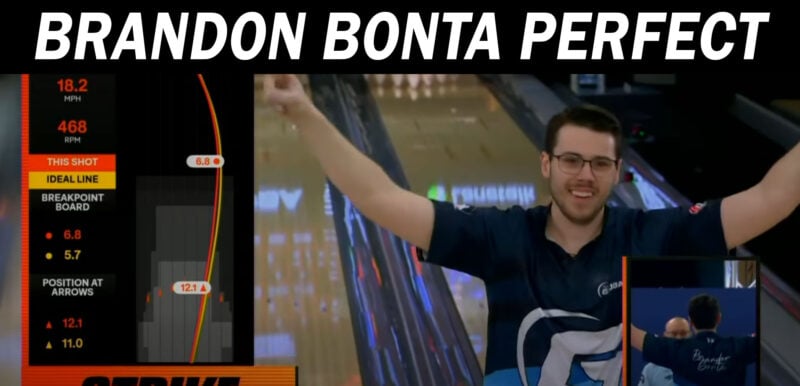
Rookie Brandon Bonta Rolls 300 to Win PBA Players Championship 2026
📋 Quick Facts: 2026 PBA Players Championship | Stepladder Finals at the International Training and [...]
Feb
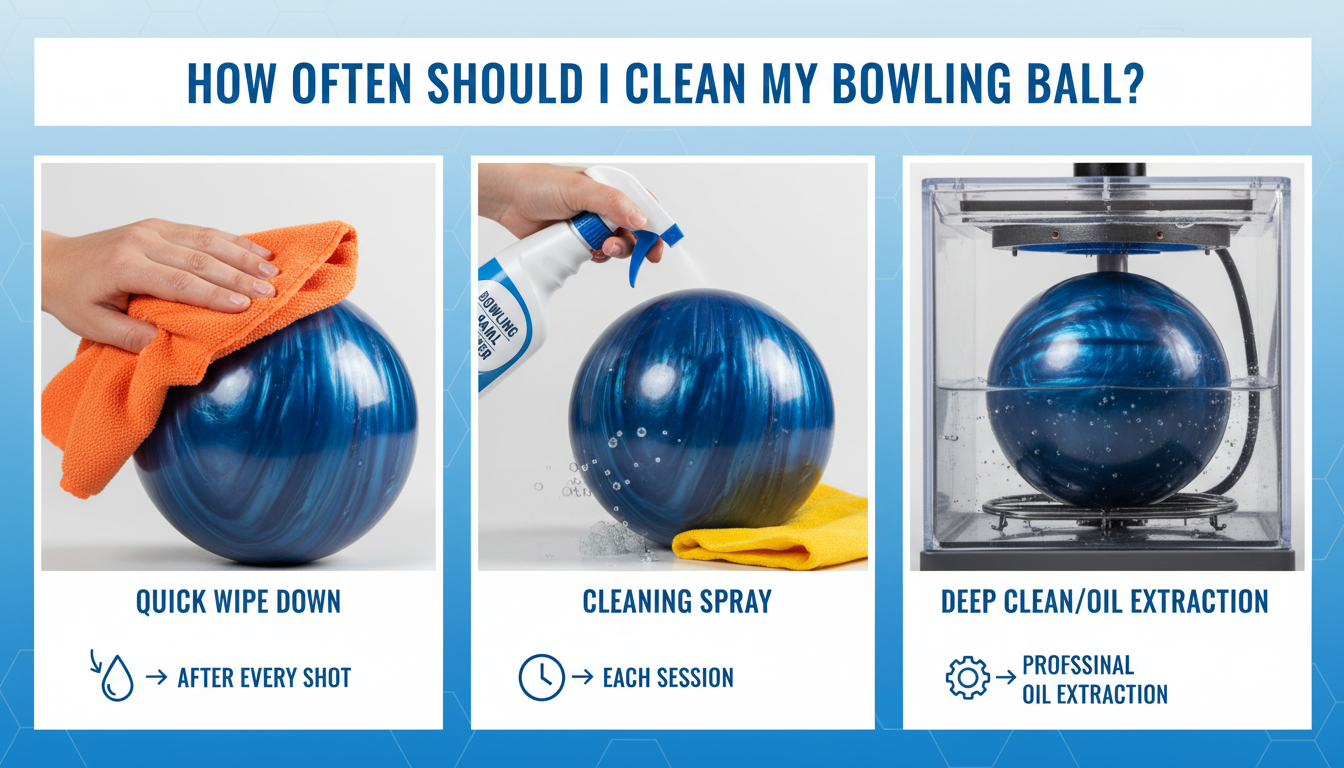
How Often & How Should I Clean My Bowling Ball?
How Often Should I Clean My Bowling Ball? Bowling balls are precision tools, and like [...]
Feb
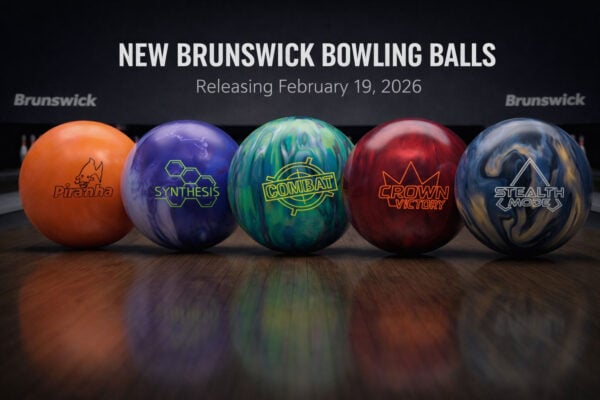
Brunswick Drops 5 New Bowling Balls for 2026: Complete Specs, Reviews & Comparisons
By BowlersMart Staff | Published February 16, 2026 | Updated February 19, 2026 Brunswick’s family [...]
Feb
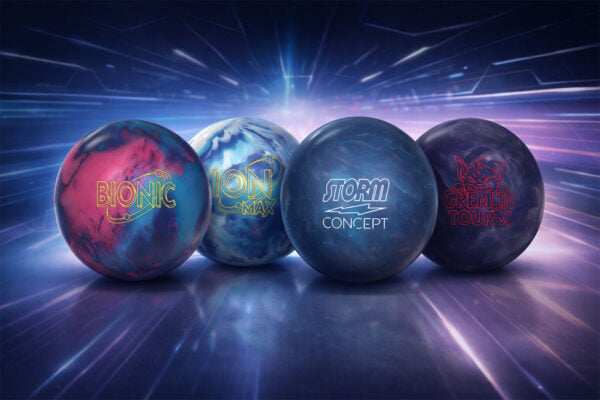
4 New Storm Bowling Balls for Spring 2026: Full Guide
Storm Products Inc. just loaded up bowlers’ bags for the spring 2026 season. Four new [...]
1 Comments
Feb

SWAG Just Released 6 New Performance Bowling Balls
SWAG Bowling released six new bowling balls on February 17, 2026: the Judgement Hybrid ($184.95), [...]
Feb
 Balls
Balls Shoes
Shoes Bags
Bags Accessories
 Apparel
 Deals
Deals
I just started bowling this past summerand i bowl now with both hands, im a natural rightey but i pitched with my both arms. So bowling with my left is easy. I have a 234 score with my right and 200 with my left, i want to join a league
I have arthritis in my hand and my first knuckles. Can I have my bowling ball drilled with a semi finger tip. Will I have the same hook. What is rhe best coverstock with a semi coverstock?