

 Pay in 4 with Afterpay
 Personalized Bowling Bags
 Personalized Shammies
 Personalized Bowling Jerseys
 Shop Hammer Balls
 Shop Epic Shoes
 Shop Epic Bags
Bowling ball cores
Bowling Ball Cores
Symmetric vs asymmetric, RG, differential and mass bias: what the inside of the ball does on the lane
The core is the weight block inside a bowling ball, and it sets how the ball revs up and how much it can hook. Three numbers describe any core: RG (how early it revs), differential (how much it can flare and hook) and, on asymmetric cores, mass bias (how sharp the backend turn is). Symmetric cores give a smooth, predictable arc; asymmetric cores give a stronger, more angular move. The 116 cores in reactive and urethane balls we stock today are all here, by brand and by spec.
Not sure? Take the Ball FinderUpdated October 21, 2026
- 116 cores in balls we sell
- 64 symmetric, 52 asymmetric
- 14 brand libraries
- 243 balls in stock
Have a bowling question? Search the learning center.
The three numbers that define every core
Get these three straight and you can predict how any ball will move before you throw it.
| Number | What it measures | Low means | High means | In stock today |
|---|---|---|---|---|
| RG | Radius of gyration: how far from the centre the mass sits, so how quickly the ball revs up | Revs early, reads the midlane sooner | Saves energy, reads later with more length | 2.460 to 2.650 at 15 lb |
| Differential | The spread between the highest and lowest RG: total flare potential | Smooth, controllable, less hook | More flare, more total hook, more angular | 0.015 to 0.058 |
| Mass bias | Asymmetric cores only: the strength of the asymmetry | Mild, smoother backend | Sharp, strong backend break | 0.006 to 0.031 |
Specs are the manufacturer’s 15 lb figures. The same core in a 12 lb or 16 lb ball has different numbers, and each core page lists them by weight.
Symmetric vs asymmetric cores
Two core types, two motion shapes. Most modern arsenals carry both.
| Symmetric core | Asymmetric core | |
|---|---|---|
| Shape and markers | Weight spread evenly around the centre; one pin marker on the ball | Uneven weight creates a mass bias; a pin AND a PSA marker on the ball |
| Motion | Smooth, continuous arc that is easy to repeat | Stronger midlane read and a sharper, more angular backend |
| Best for | Beginners, league bowlers, lower rev rates, dry lanes, benchmark balls | Higher rev rates, heavy oil, fresh patterns, tournament play |
| Drilling | Forgiving; most layouts work | More precise; layout changes show up more |
| In stock today | 64 cores | 52 cores |
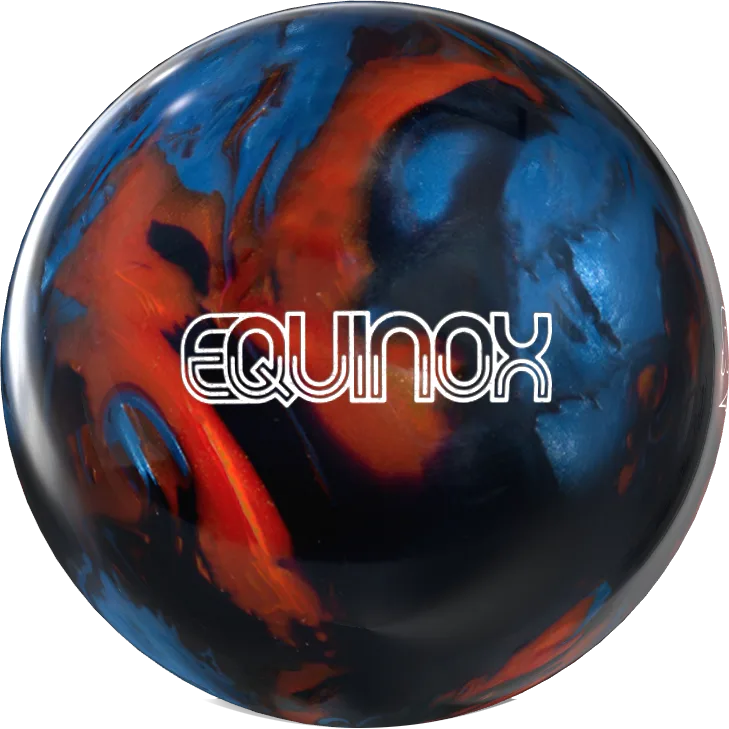
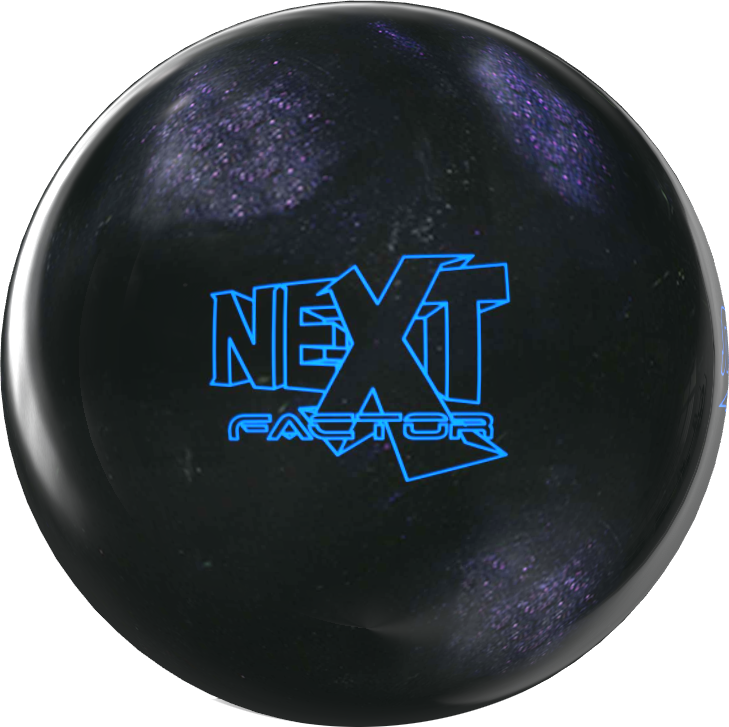
Best-selling symmetric core balls
Ranked by what BowlersMart customers bought in the last 30 days. Prices and stock are updated nightly.
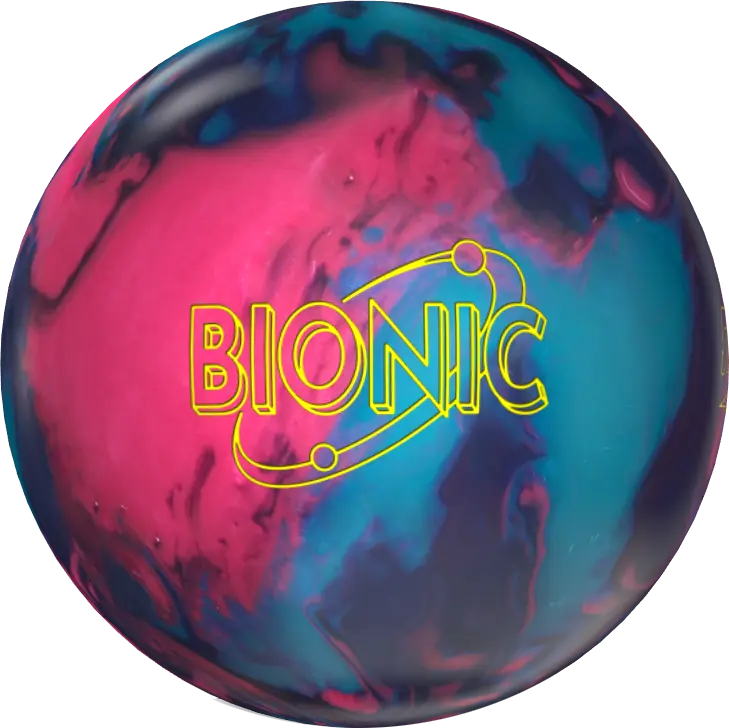

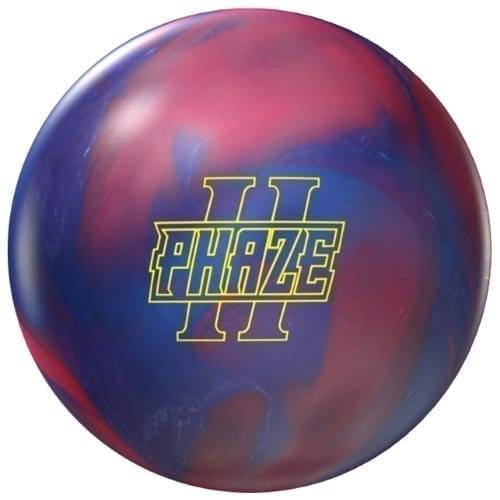
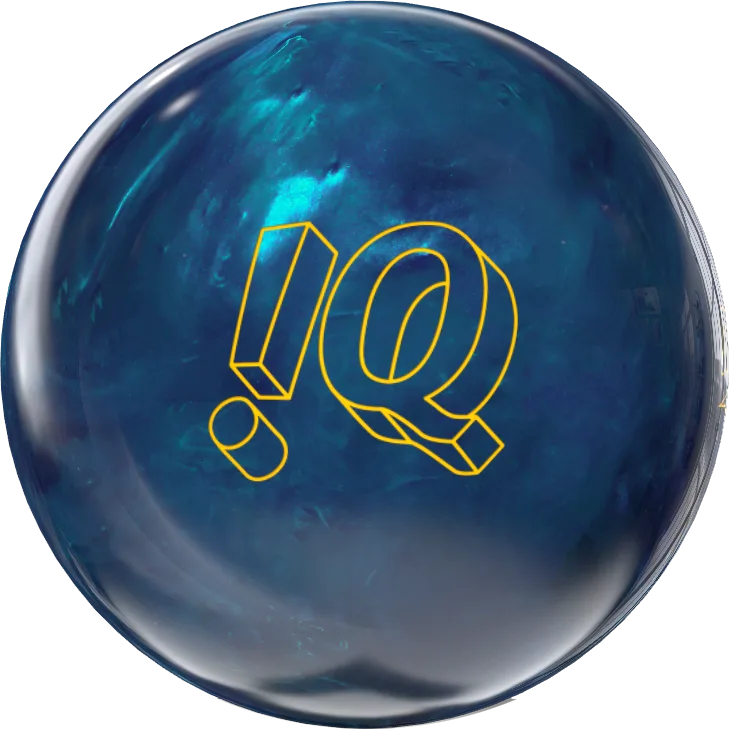
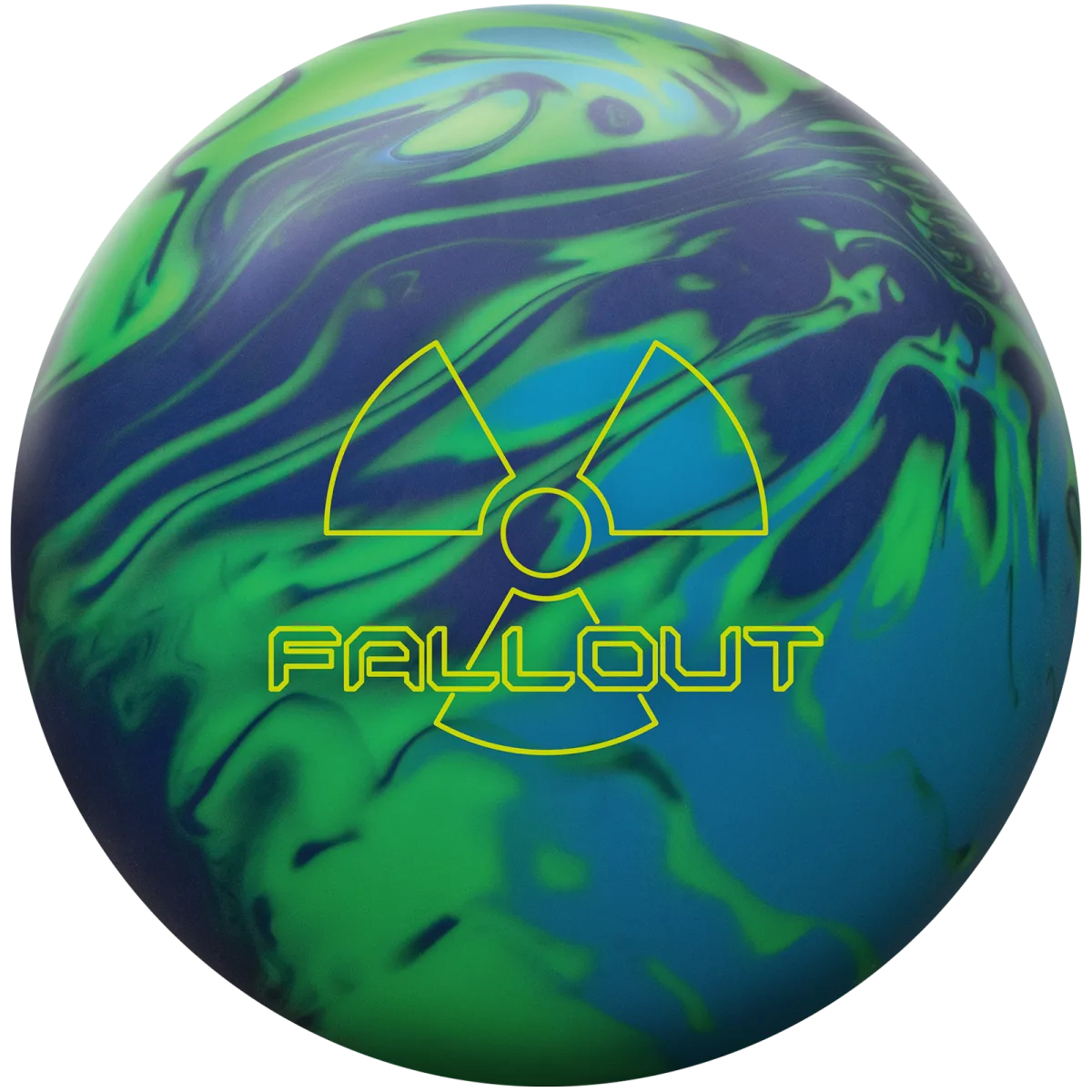


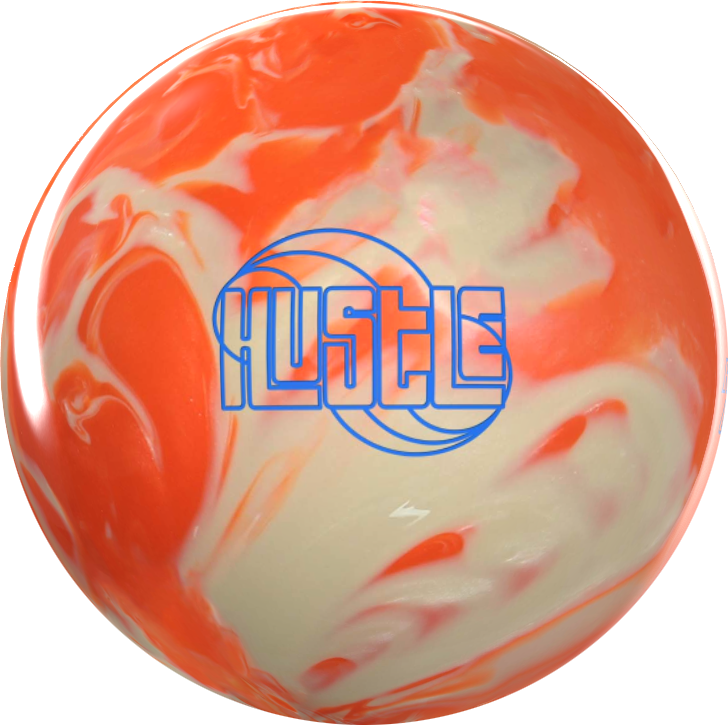
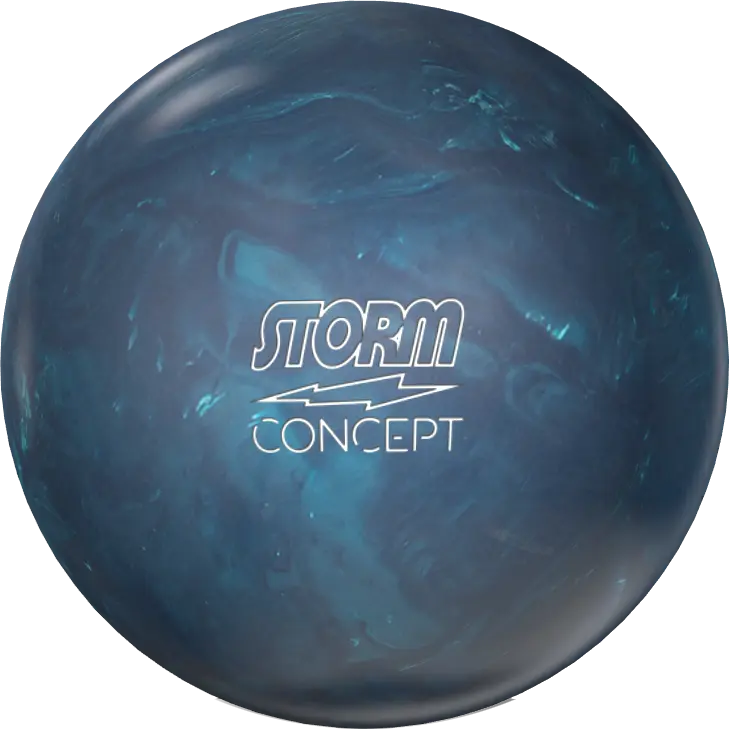
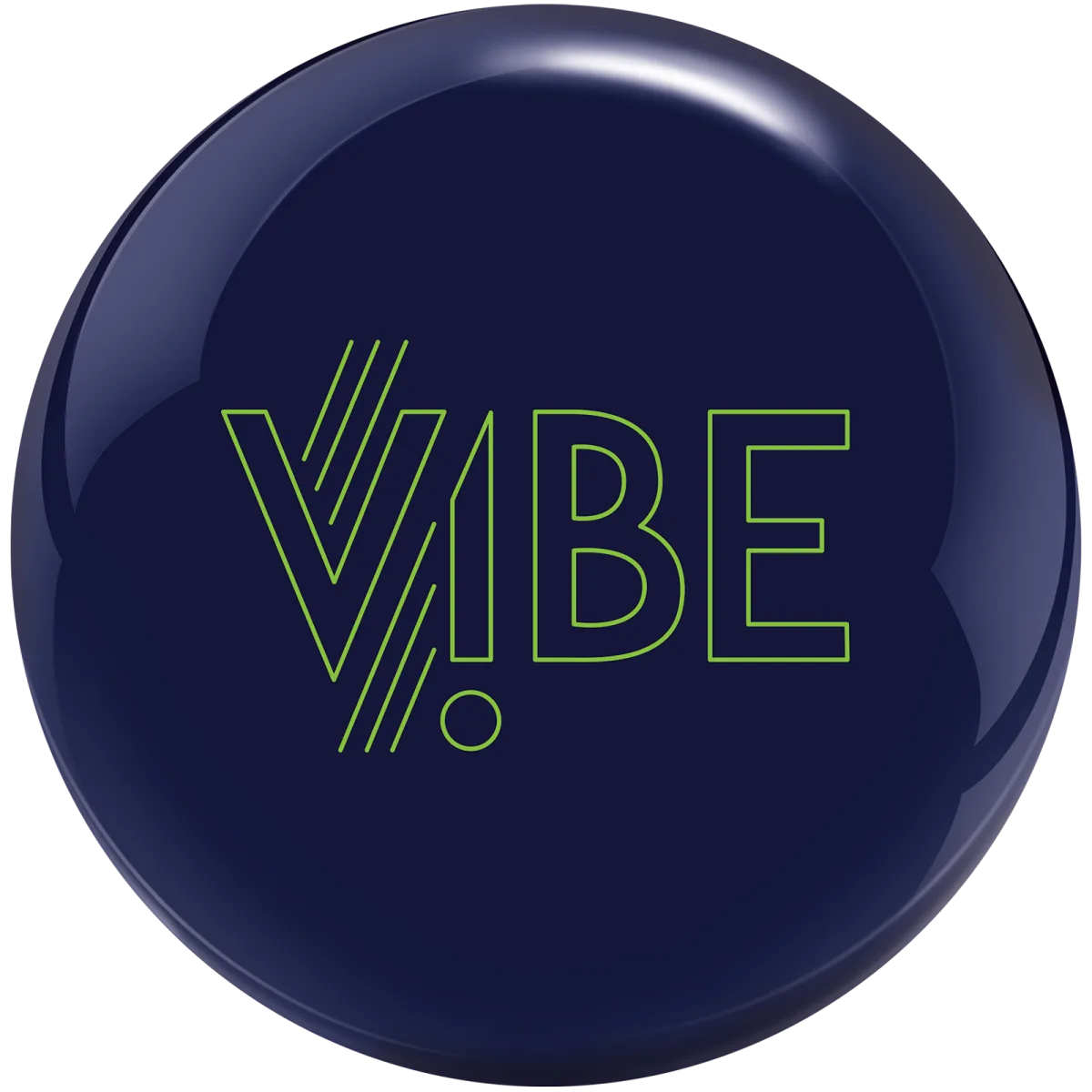
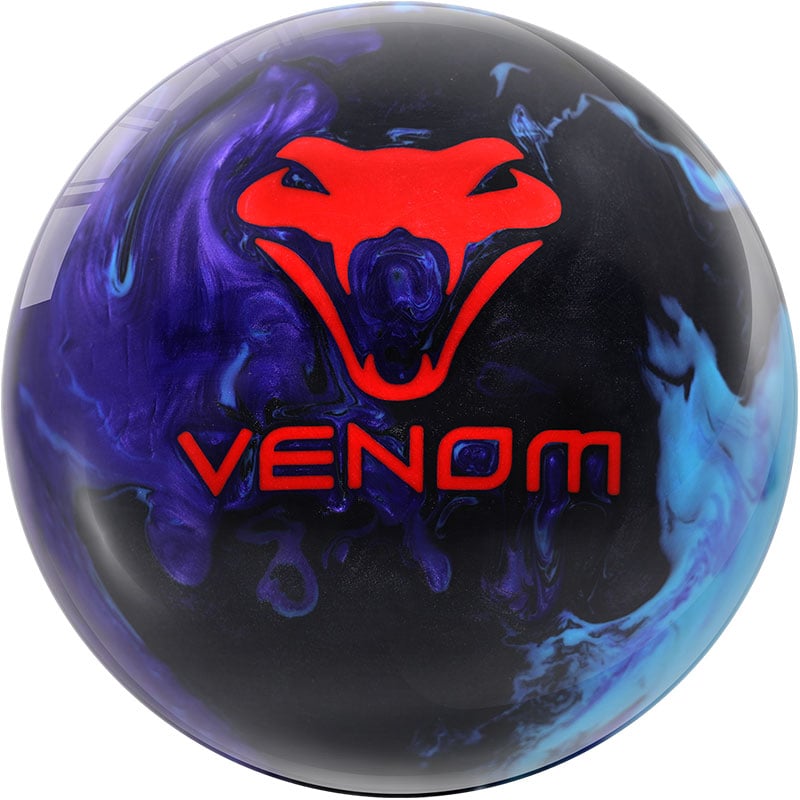
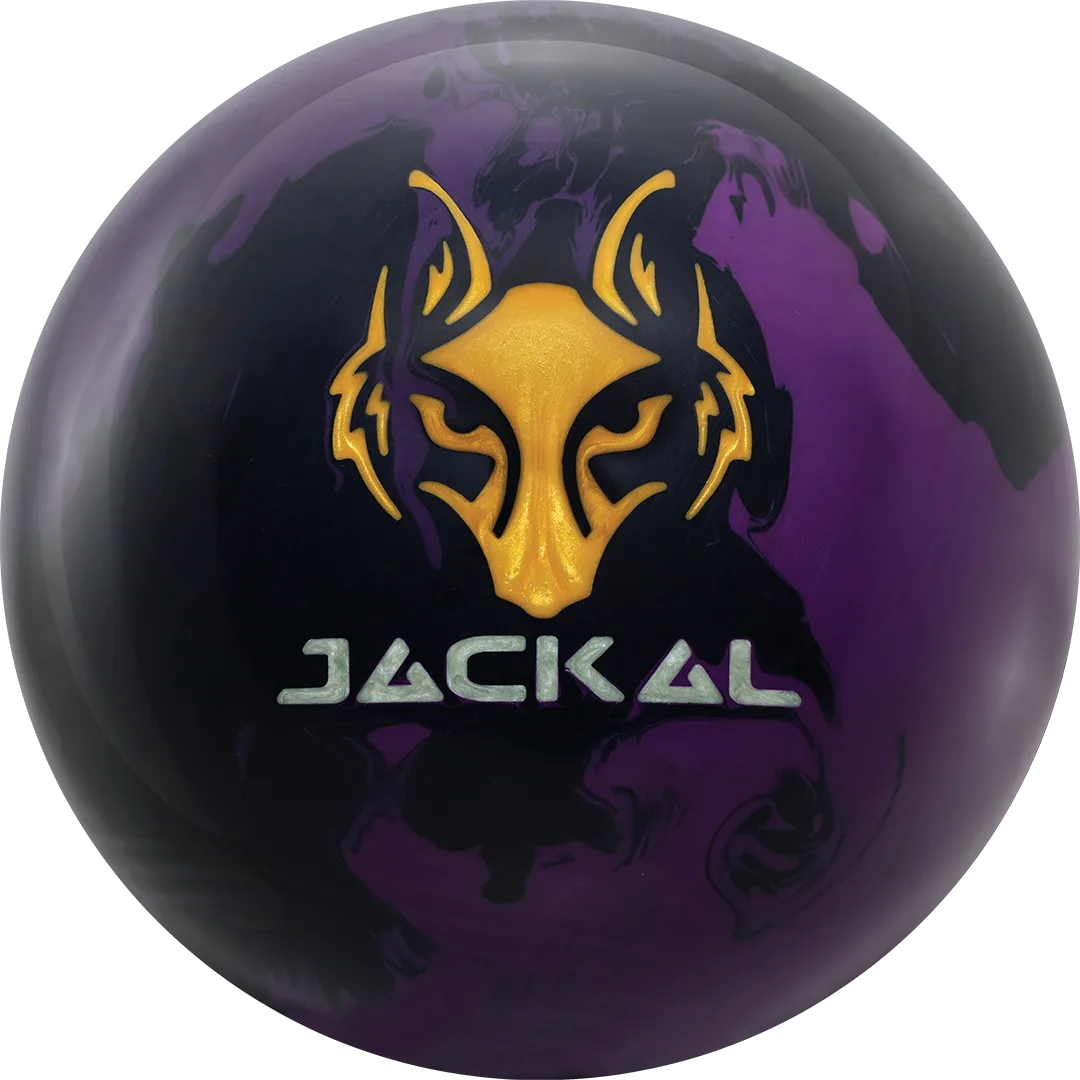
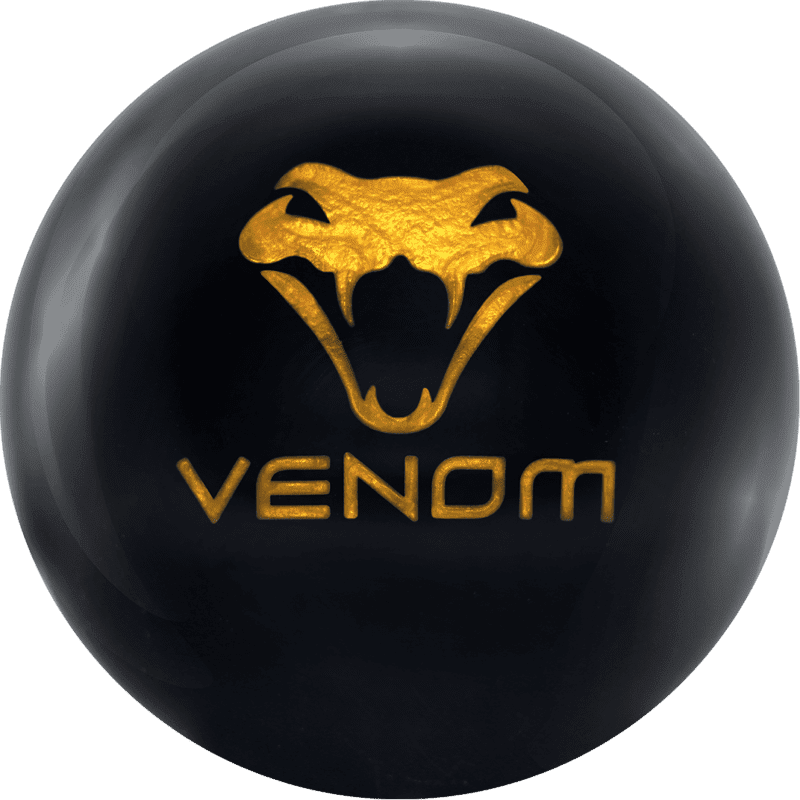
Best-selling asymmetric core balls
Ranked by what BowlersMart customers bought in the last 30 days. Prices and stock are updated nightly.
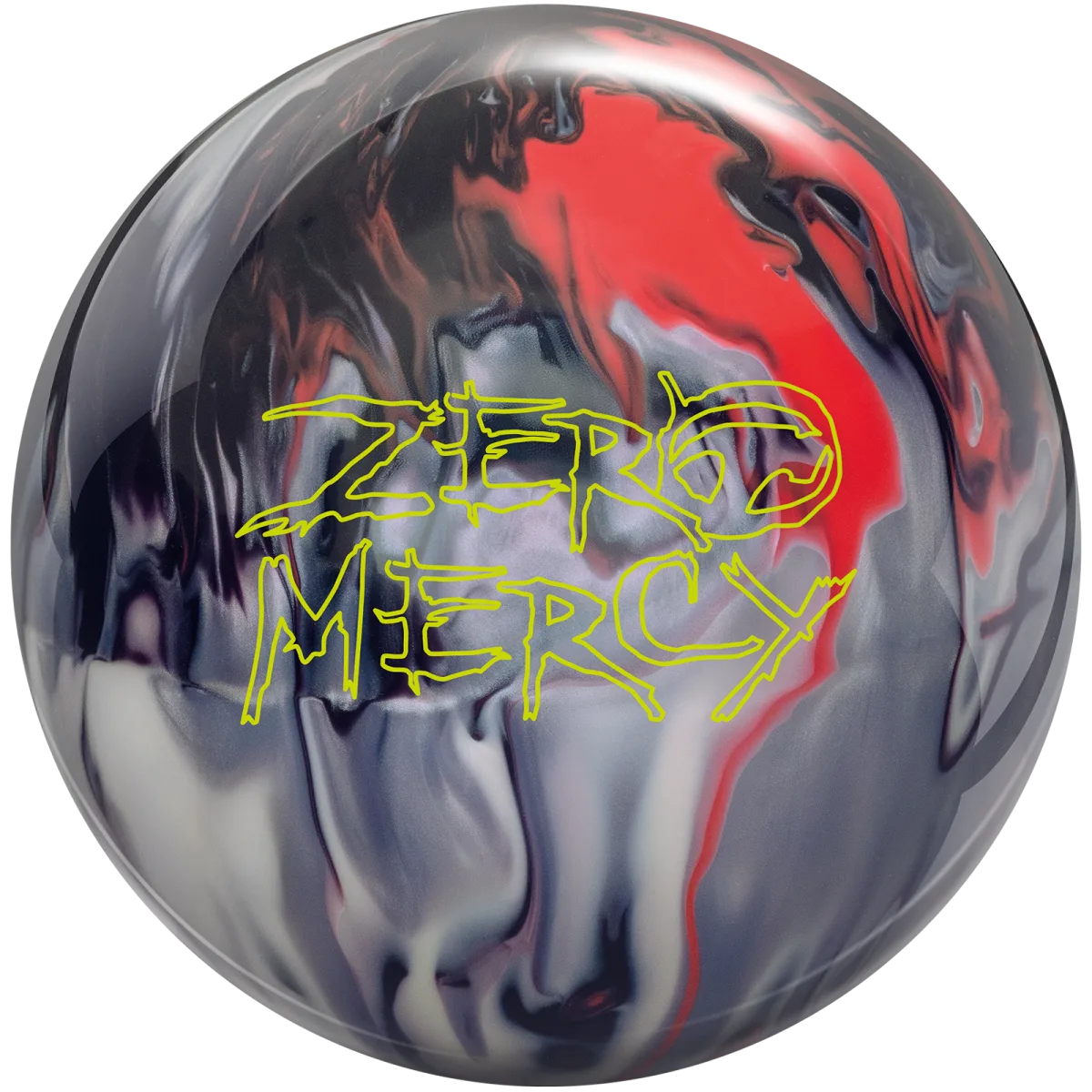
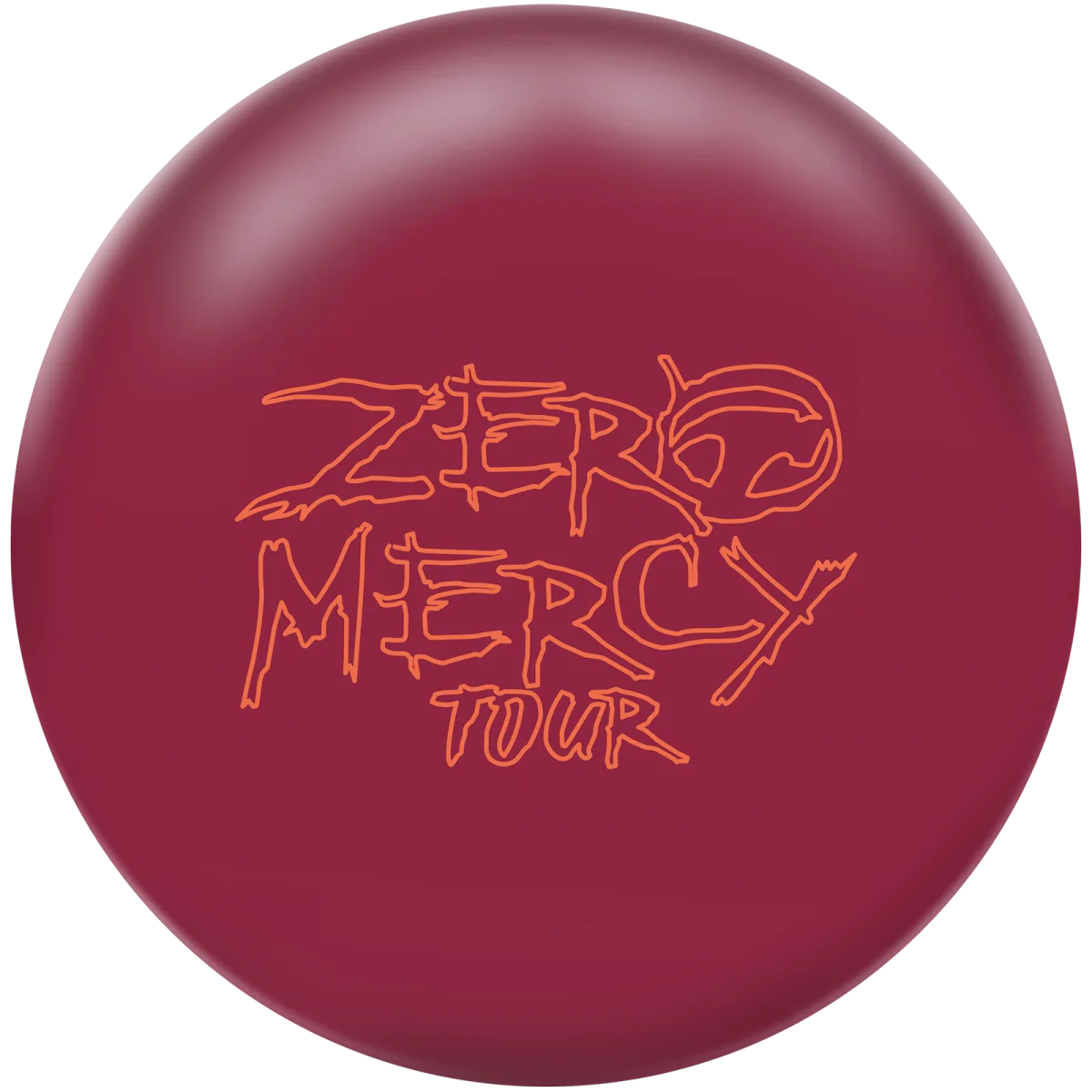
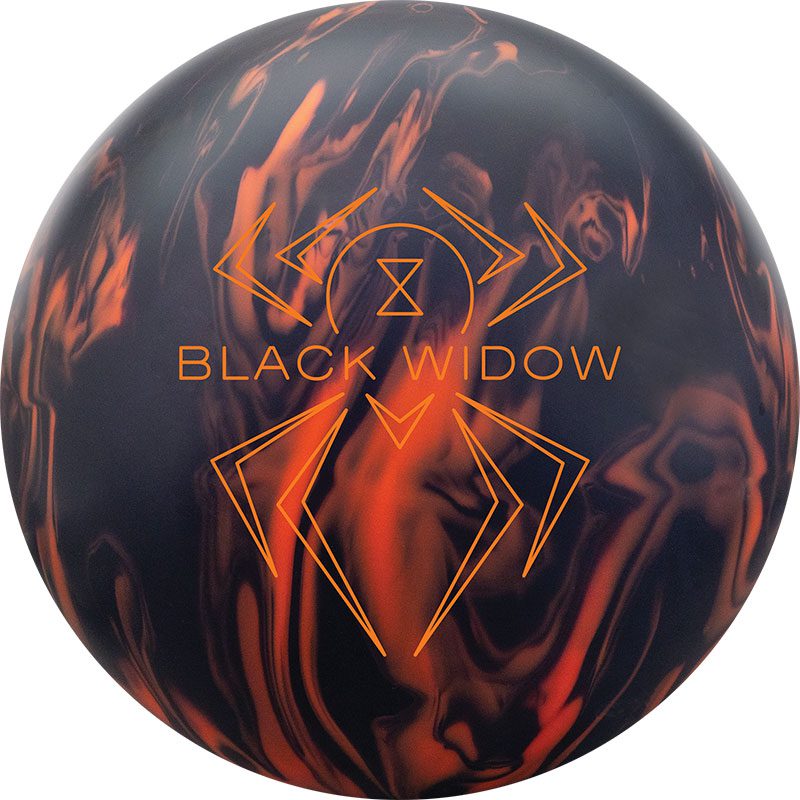

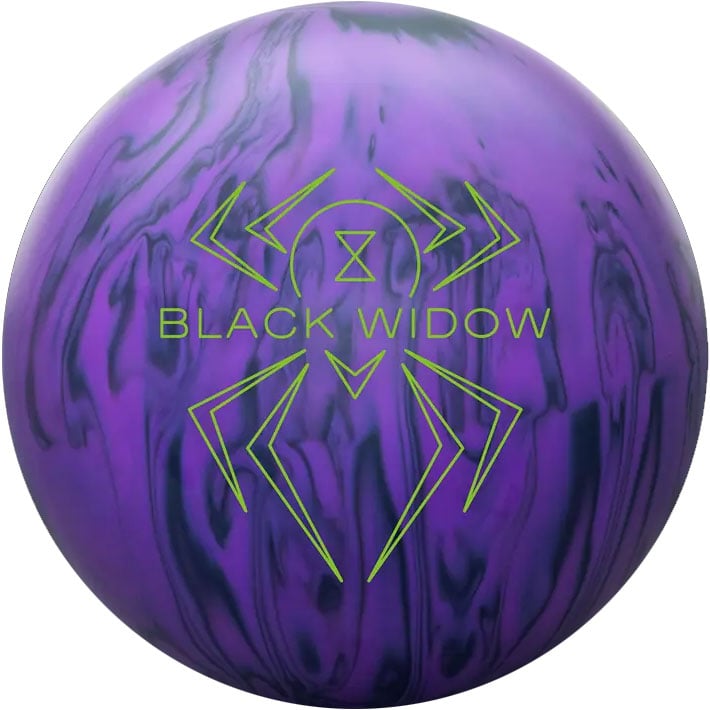



Cores by brand
Each library lists the brand’s cores in balls we sell, with their specs, the balls built on them, and the cores with no ball in stock right now.
Balls by core specification
Already know the RG or differential you want? Jump straight to the balls that match.
Which core fits your game
| Where you are | Core type | RG | Differential | Why |
|---|---|---|---|---|
| Beginner or developing | Symmetric | Medium to high (2.490 and up) | Low (0.038 and below) | Predictable, forgiving, easy to repeat |
| League bowler | Symmetric, or a mild asymmetric | Medium (2.490 to 2.520) | Medium (0.038 to 0.050) | A benchmark ball that reads the house shot without over-reacting |
| Competitive, higher revs, heavy oil | Asymmetric | Low (below 2.490) | High (above 0.050) | Early read and the strongest, most angular move at the breakpoint |
Low, medium and high are tertiles of the 212 in-stock reactive and urethane balls, recalculated nightly, so the bands move with the catalog.
Questions bowlers ask
What is more important, the core or the coverstock?
Both matter, but they do different jobs. The core sets the fundamental motion: how the ball revs up, where it transitions and how strong the backend is. The coverstock sets how the ball reacts to oil: how much friction it makes and how cleanly it gets through the front. Pick the core for your style and conditions, then fine-tune with the cover and its surface.
How do I know if a ball has a symmetric or asymmetric core?
Asymmetric balls carry a small PSA (preferential spin axis) marker in addition to the pin. Symmetric balls have only the pin. The spec sheet also says which it is. Two markers means asymmetric, one means symmetric.
Can I change my ball’s reaction without buying a new one?
Yes, within limits. Surface changes (sanding, polishing, compounds) change how a ball reads the lane, and a different drilling layout reshapes the motion. The core’s RG, differential and mass bias are set at the factory and cannot change.
How many different cores should I have in my arsenal?
Most league and tournament bowlers do well with two to four distinct core profiles: a symmetric low-differential ball for spares and dry lanes, a symmetric or mild asymmetric mid-differential benchmark ball, and a high-differential asymmetric ball for fresh or heavier oil. Add a fourth for special conditions as your game grows.
What does pin-to-PAP distance have to do with the core?
Pin-to-PAP distance is the bridge between the core and the drilling layout. It controls how much the core flares as the ball travels down the lane: a short pin distance lets the core rev up early, a long one saves its energy for later. Each core’s RG and differential respond predictably to pin distance, which is what layout systems like Dual Angle and VLS are built on.
Why do two balls with similar cores roll differently?
Because the coverstock, the surface and your drilling layout all contribute. Two balls can share one core while one has a solid cover at 500 grit and the other a polished pearl, and they will read the lane completely differently. The core is one of three variables, alongside cover and layout.
Next lesson
Free shipping on US orders. Undrilled balls can be returned within 60 days.
