









Basic Bowling Tips, Bowling How To's & Coaching Tips, Bowling Tips & Coaching Articles
Bowling Ball Coverstocks Explained: Complete Beginner Guide
You’ve been bowling with a house ball for months, and you’re finally ready to take the plunge and buy your first bowling ball. You walk into the pro shop, and suddenly you’re hit with terms like “reactive resin,” “urethane,” and “aggressive coverstock.” Your head starts spinning—what does any of this mean?
Here’s the truth: choosing the wrong coverstock is like buying snow tires for a desert road trip. No matter how good your technique is, the wrong ball surface will sabotage your performance and leave you frustrated on the lanes.
In this comprehensive guide, you’ll discover exactly what coverstocks are, why they matter more than any other ball feature, and how to choose the perfect coverstock for your skill level and the lanes where you bowl most often.
Bowling Ball Coverstocks Explained: Your Complete Guide
Coverstock Purpose: The coverstock is your ball’s contact point with the lane—think of it as the tires on your car, determining how much grip and control you have.
Why Coverstocks Matter More Than Anything Else
Before diving into the different types, let’s establish why the coverstock is the most important decision you’ll make when choosing a bowling ball. Understanding this foundation will save you from costly mistakes and frustrating lane experiences.
The Science Behind Ball Motion
Lane Journey
Your ball travels through three distinct zones: oiled front end (slides), mid-lane transition (begins hooking), and dry back end (maximum hook).
Coverstock Function
The coverstock determines when and how aggressively your ball reacts to each zone, controlling the entire ball motion from release to pins.
Critical Point: Lane conditions change throughout the day, but your coverstock determines whether your ball can adapt to these changes or struggle against them.
The Three Main Coverstock Categories
Each coverstock type serves specific lane conditions and bowler skill levels. Understanding these categories helps you match your equipment to your game and local lane conditions.
Plastic/Polyester Coverstocks: The Foundation
Perfect for beginners and spare shooting, plastic coverstocks provide predictable, straight ball motion with minimal hook potential.
Best For: New bowlers, spare shooting, very dry lanes, bowlers who prefer straight ball delivery
Performance Characteristics: Minimal lane friction, predictable ball path, excellent control and accuracy
Cost Advantage: Most budget-friendly option, making it ideal for bowlers prioritizing control over power
Limitation: Lacks traction needed for heavy oil conditions, limiting strike potential on well-oiled lanes
Urethane Coverstocks: The Middle Ground
Bridging the gap between plastic and reactive resin, urethane offers controlled hook motion with more predictability than aggressive coverstocks.
Best For: Intermediate bowlers, bowlers developing hook technique, medium oil conditions
Performance Characteristics: Moderate friction, smooth and controllable hook motion, consistent breakpoint
Versatility: Works on a wider range of conditions than plastic, easier to control than reactive resin
Reactive Resin Coverstocks: Maximum Performance
Engineered for serious bowlers, reactive resin coverstocks provide the most traction and hook potential available.
Solid Reactive Resin
Designed For: Heavy to medium-heavy oil conditions
Performance: Early hook, strong midlane read, predictable breakpoint even in oil
Pearl Reactive Resin
Designed For: Medium to light oil conditions
Performance: Extended length through oil, sharp backend reaction, dramatic hook motion


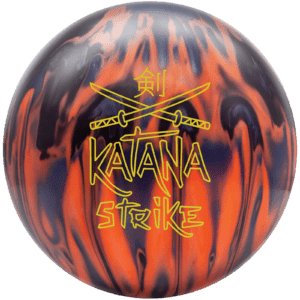


💡 Pro Tip: Surface finish matters just as much as coverstock material. A dull surface creates more friction (earlier hook), while polished surfaces create length (later hook). Your pro shop can adjust surface to fine-tune performance.
Common Misconceptions About Coverstocks
Separating Fact from Fiction
“More Aggressive Is Always Better”
Reality: Using an aggressive coverstock on dry lanes is like wearing cleats on ice—you’ll get unpredictable, jerky motion that hurts accuracy.
“Plastic Balls Are Just for Kids”
Reality: Professional bowlers carry plastic balls for spares and specific lane conditions. They’re precision tools, not beginner limitations.
“Coverstock Doesn’t Matter for Beginners”
Reality: The wrong coverstock creates frustrating, inconsistent results that can discourage new bowlers from continuing the sport.
How to Choose Your Ideal Coverstock
Selecting the right coverstock depends on three key factors: your skill level, typical lane conditions, and bowling goals. Here’s a systematic approach to making the best choice.
Decision Framework
Step 1 – Assess Your Skill Level: New bowlers should start with plastic or urethane for consistency and control development
Step 2 – Know Your Lanes: Ask your center about typical oil conditions—heavy, medium, or light oil patterns
Step 3 – Match Coverstock to Conditions: Heavy oil needs solid reactive, light oil works with pearl reactive or urethane
Step 4 – Consider Professional Guidance: Pro shop operators can recommend surface adjustments and maintenance schedules
Why Coverstock Knowledge Benefits Beginners
Understanding coverstocks isn’t just about buying the right ball—it’s about setting yourself up for consistent improvement and long-term enjoyment of the sport.
Immediate Advantages for New Bowlers
Prevents Costly Mistakes: Choosing the wrong coverstock leads to frustration and potentially expensive ball replacements when you could have gotten it right the first time.
Faster Skill Development: The right coverstock allows you to focus on technique rather than fighting equipment that’s working against your game.
Builds Confidence: Predictable ball motion from proper coverstock selection creates positive reinforcement and encourages continued practice.
Making Your Coverstock Decision
Choosing the right coverstock is like selecting the right tool for a job—success comes from matching the equipment to the task at hand. Whether you’re drawn to the control of plastic, the versatility of urethane, or the power of reactive resin, the key is understanding how each option performs in your specific bowling environment.
Don’t hesitate to consult with your local pro shop professional. They understand your center’s lane conditions, can watch your delivery style, and recommend the ideal coverstock for your current skill level while considering your long-term bowling goals.
Remember, the best coverstock isn’t necessarily the most expensive or aggressive one—it’s the one that matches your game and helps you bowl consistently better scores. Start with the fundamentals, master your technique, and let your coverstock be the foundation that supports your improvement journey.
More Bowling Articles You May Enjoy

What Weight Bowling Ball Should I Use?
By BowlersMart Staff | Published September 30, 2025 | Updated February 2026 Choosing the right [...]
2 Comments
Sep

What Do the Arrows on the Bowling Lane Mean?
What Do the Arrows on the Bowling Lane Mean? If you’ve ever stepped onto a [...]
2 Comments
Sep

Why Wear Bowling Shoes?
Why Wear Bowling Shoes? When you walk into a bowling center, one of the first [...]
2 Comments
Sep

What Are the Most Common Bowling Spares for Beginners?
What Are the Most Common Bowling Spares for Beginners? Learning to bowl is exciting, but [...]
1 Comments
Aug

Which Bowling Spares and Pin Numbers Do Bowlers Face Most Often?
What Are the Most Common Bowling Spares and Pin Numbers? Bowling may look simple [...]
Aug

What Are the Basic Bowling Rules?
What Are the Basic Bowling Rules? A Beginner’s Guide to Bowling Etiquette and Scoring Bowling [...]
Jul

What Are the Best Shoes or Accessories for Bowling?
What Are the Best Bowling Shoes or Accessories for Bowling? When it comes to improving [...]
Jul

What’s the Difference Between League Bowling and Open Bowling?
What’s the Difference Between League Bowling and Open Bowling? Bowling is one of the most [...]
Jul
How Often Should I Clean My Bowling Ball?
How Often Should I Clean My Bowling Ball? Bowling balls are precision tools, and like [...]
9 Comments
Jul

How Do You Properly Hold and Release a Bowling Ball?
How Do You Properly Hold and Release a Bowling Ball? | Bowling Tips for Beginners [...]
3 Comments
Jul

What is Proper Bowling Etiquette & Bowling Lane Courtesy?
What is Proper Bowling Etiquette & Bowling Lane Courtesy? Bowling is more than just knocking [...]
2 Comments
Jul

What Are the Arrows and Dots on the Bowling Lane For?
If you’ve ever stepped into a bowling alley, you’ve probably noticed the arrows and dots [...]
Apr
 Balls
Balls Shoes
Shoes Bags
Bags Accessories
 Apparel
 Deals
Deals
Just started bowling i was looking for a bowling great for hooking and great overall
Need a bowling. Ball That will hook down lane and give me good pins action. Hit my mark all the time
I have always used hammer bowling balls.. started out with a Hammer Burgundy and Hammer No Mercy(now retired). both are great.. but I recently purchased a hammer black widow 3.0 and opted with a pin up setup.. pin up will allow the ball to travel farther down the lane with reaction on the backend.. and this ball still keeps its power on the back end… I recommend it 100%