PREMIUM BOWLING BALLS
The most critical piece of equipment in your arsenal
From entry-level reactive resin to high-performance asymmetric cores. Free shipping. 60-day returns.
Understanding Bowling Ball Performance Levels
Not all bowling balls are created equal. The price difference between entry-level and high-performance balls reflects advanced engineering in core design, coverstock technology, and manufacturing precision that directly impacts your scoring potential.
High Performance
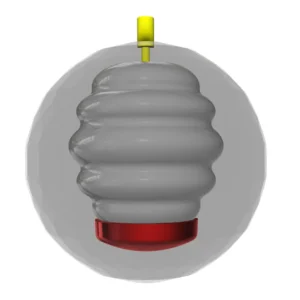
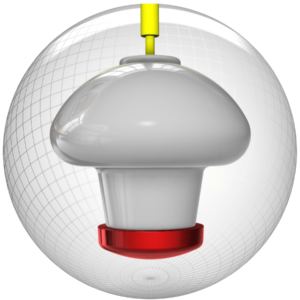
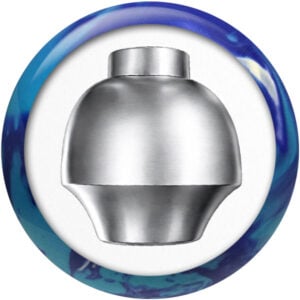
High performance balls feature symmetric & asymmetric core designs and aggressive reactive coverstock formulations. These balls create maximum hook potential and dynamic backend reaction, essential for heavy oil conditions and tournament competition. The advanced core shapes provide higher differential values for increased flare and stronger angular motion.
Best for: Competitive bowlers, tournament players, heavy oil conditions
Mid Performance
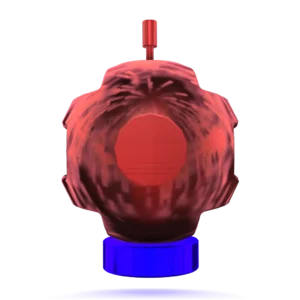
Mid performance balls use symmetric core designs with quality reactive coverstock that balances hook potential with control. These balls offer excellent versatility across medium oil patterns, making them ideal for league bowlers who encounter varied lane conditions. They provide strong performance without the price tag of top-tier balls.
Best for: League bowlers, medium oil patterns, versatile performance
Entry Level
Entry level balls feature basic symmetric cores with reactive resin coverstock that provides significantly more hook than house balls while remaining easy to control. Perfect for bowlers transitioning from straight bowling to hook shots. These balls help you develop proper technique without overwhelming backend reaction that’s hard to manage.
Best for: New bowlers, learning curve ball, budget-conscious players
Spare Balls
Spare balls use polyester (plastic) coverstock that creates minimal lane friction for straight, predictable roll. Essential for consistent single-pin spare conversions, especially the challenging 10-pin. Every serious bowler needs a dedicated spare ball to eliminate hook variables when accuracy matters most.
Best for: Spare shooting, corner pin conversions, straight ball accuracy
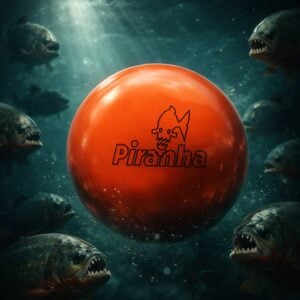
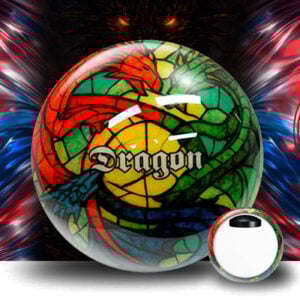
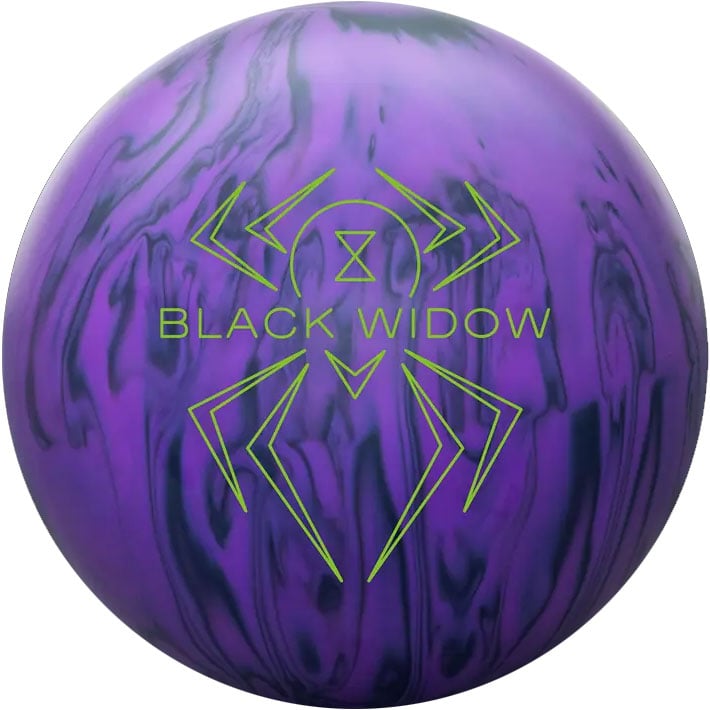
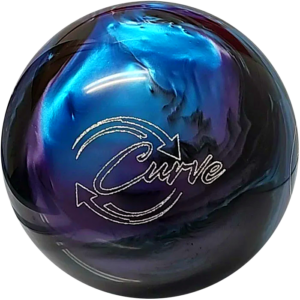
Top-Selling Bowling Balls
These balls are striking pins across the country
Research Center Access
Learn about the coverstocks and weight blocks that bowling balls use to enhance performance.
Core Research Center
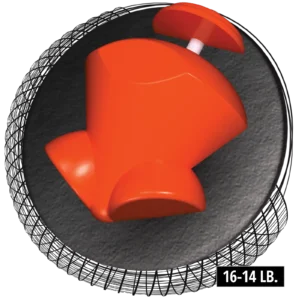
Research bowling ball differentials, Mass Bias, and RG (Radius of Gyration) technology.
Coverstock Research Center
Explore coverstock types, finishes and surface technology.
Top-Selling Ball Accessories
Key Factors in Choosing the Right Bowling Ball
Beyond performance level, these technical factors determine how a ball reacts on the lanes and whether it matches your game.
๐ฏ Hook Shape & Motion
The hook shape describes how aggressively your ball transitions from skid to hook to roll. This characteristic fundamentally affects your ability to hit the pocket consistently.
Smooth Arc Hook
Gradual, predictable transition from skid to hook. Best for bowlers who need control and repeatability on medium to lighter oil patterns. Symmetric cores typically produce smoother arcs.
Angular Backend Hook
Sharp, aggressive transition that stores energy for explosive backend reaction. Ideal for tournament competition and heavier oil where you need the ball to recover and drive through the pins. Asymmetric cores excel here.
๐ง Oil Pattern Considerations
Lane oil volume and pattern shape dramatically affect ball motion. Matching your ball to typical lane conditions you bowl on is critical for consistent performance.
Light to Medium Oil (House Patterns)
Most league bowlers encounter these conditions. Look for mid-performance balls with pearl or hybrid reactive coverstocks that provide length through the front of the lane with controlled backend reaction.
Heavy Oil (Sport Patterns)
Tournament and sport patterns require aggressive solid reactive or hybrid coverstocks with high differential cores. These balls create necessary friction to hook on oil-saturated surfaces.
Dry Lanes (Worn Patterns)
As patterns break down, switch to lower differential balls or urethane to control over-reaction. Pearl coverstocks help maintain length before the backend transition.
โก Differential & Flare Potential
Differential measures the difference between the ball’s low and high RG values, directly affecting track flare (how much the ball’s axis migrates during rotation). Higher differential creates more flare and hook potential.
Low Differential (0.020-0.030)
Produces minimal track flare for smooth, predictable motion. Excellent for spare shooting, dry lanes, or bowlers with higher rev rates who need to control their ball reaction.
Medium Differential (0.030-0.050)
Balanced flare potential suitable for most league conditions. Provides adequate hook without being overpowering, giving good versatility across varying oil patterns.
High Differential (0.050+)
Maximum track flare creates aggressive angular motion and strong backend reaction. Ideal for heavy oil, lower rev rate bowlers, or competitive environments requiring maximum hook potential.
๐ฒ Matching Ball to Your Style
Your physical gameโrev rate, ball speed, and axis rotationโshould heavily influence your ball selection. The right ball amplifies your strengths and compensates for limitations.
Power Players (High Rev Rate)
If you generate high revolutions, consider lower differential balls or duller surface finishes to prevent over-hooking. Pearl coverstocks help you get length before backend reaction kicks in.
Speed-Dominant Bowlers
Higher ball speed with moderate revs benefits from higher differential asymmetric cores and aggressive solid reactive coverstocks to create necessary friction and hook potential.
Balanced Players
Balanced rev rate and speed gives you the most versatility. Focus on building an arsenal that covers different oil patternsโstarting with a medium differential symmetric for house shots, then expanding from there.
Still not sure which ball is right for you?
Our team can help match balls to your specific game and the conditions you bowl on most often.
Why Bowlers Choose BowlersMart
Your bowling ball is the single most important piece of equipment affecting your game. The right ball matches your throwing style, rev rate, and lane conditions to maximize pin carry and scoring potential.
Whether you’re looking for your first reactive resin ball to boost your average or a high-performance asymmetric to dominate tournament competition, we have exactly what you need. Our selection includes the latest releases from every major manufacturer, with expert guidance to help you make the right choice.
Why Choose BowlersMart for Bowling Balls:
– Largest Selection Online – Every major release from Storm, Hammer, Brunswick, Motiv, Epic and more
– Expert Guidance – Our staff helps match balls to your style and skill level
– Guaranteed Authentic – 100% authorized dealer with full manufacturer warranties
– Best Price Promise – Competitive pricing with free shipping always
– No-Risk Returns – 60 days to ensure the ball performs as expected
Choosing Your First Ball
New to performance bowling? Start with an entry-level reactive resin ball. These provide significant hook potential compared to house balls while remaining controllable as you develop your release.
Consider your rev rate and speed. Higher rev players often prefer asymmetric cores, while speed-dominant bowlers benefit from symmetric designs.
Join Striking Rewards
Earn points on every purchase and unlock exclusive discounts on bowling balls and gear!
What Bowlers Are Saying
Frequently Asked Questions
High performance balls feature advanced asymmetric cores and aggressive coverstock formulations designed for maximum hook potential and backend reaction. They excel on heavy oil patterns and in competitive environments. Entry level balls use symmetric cores and less aggressive coverstocks, offering more predictable motion that’s easier to control while still providing significant performance gains over house balls. For bowlers averaging under 180, entry level reactive resin balls often deliver better results than balls they can’t fully leverage.
The traditional rule of thumb is 10% of your body weight, maxing out at 16 pounds. However, modern bowling emphasizes rev rate over ball weight. Many competitive bowlers now use 14-15 pound balls for increased rev rate and longer backend reaction. If you struggle with control or fatigue during practice, dropping a pound or two often improves consistency without sacrificing pin carry. The right weight feels comfortable through your entire approach and doesn’t compromise your release.
Coverstock is the outer shell material of your bowling ball, directly impacting how it reacts to lane friction. Polyester (plastic) offers minimal hook for spare shooting. Urethane provides smooth, controllable motion. Reactive resin balls create the most friction and hook, with solid reactive offering earlier roll, pearl reactive providing length and backend snap, and hybrid reactive blending both characteristics. The coverstock choice should match your lane conditions and desired ball motion.
Dedicated spare balls eliminate variables when shooting single pin spares. Plastic spare balls travel straight regardless of lane conditions, making 10-pin conversions much more consistent for hook bowlers. While beginners can use their main ball for everything, bowlers averaging 160+ benefit significantly from a plastic spare ball. The investment pays off in improved spare conversion rates and protecting your expensive reactive balls from unnecessary wear.
Ball lifespan depends on usage frequency and maintenance. With proper care (regular cleaning, periodic resurfacing), balls remain effective for 200-300 games or 5-10 years for recreational bowlers. Competitive bowlers often rotate balls more frequently as coverstock performance gradually diminishes. Signs you need a new ball include: reduced hook potential despite fresh surface, visible cracking, significantly changed reaction shape, or when current technology no longer matches your evolved game.
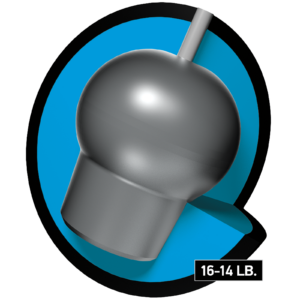
RG (Radius of Gyration) indicates how quickly a ball begins rotating – lower RG means earlier roll, higher RG provides more length before hooking. Differential measures the ball’s flare potential and track flare. Higher differential creates more flare (axis migration) for increased hook potential. Asymmetric balls add intermediate differential for even more aggressive motion. Understanding these specs helps match balls to your rev rate and desired reaction shape.
Yes, our 60-day return policy applies to bowling balls. The ball must remain in new, undrilled condition with original packaging. Once a ball is drilled, it cannot be returned unless defective. This is why we emphasize choosing carefully based on your style and consulting with drilling professionals before committing to drilling. Many bowlers purchase multiple balls to test specs before drilling their preferred option.
Neither is inherently better – it depends on your game and lane conditions. Symmetric cores provide smooth, predictable motion easier to control for developing bowlers or when you need consistent reaction. Asymmetric cores create more aggressive angular motion and greater flare potential, ideal for tournament competition and heavy oil. Speed-dominant bowlers often prefer asymmetric designs, while rev-dominant players can excel with either depending on desired motion shape.
Free Shipping
No minimum purchase required
60-Day Returns
Easy returns on all balls
Authorized Dealer
100% authentic equipment
Earn Rewards
Join Striking Rewards today
Ready to Upgrade Your Game?
Free shipping on every order. 60-day returns. Best price guarantee.
Continue Your Bowling Education
Explore our expert guides to improve your game and make smarter equipment decisions.