

 Pay in 4 with Afterpay
 Personalized Bowling Bags
 Personalized Shammies
 Personalized Bowling Jerseys
 Shop Hammer Balls
 Shop Epic Shoes
 Shop Epic Bags
Bowling accessories
Bowling Ball Cleaning and Maintenance
How often to wipe, clean, polish and resurface, by Storm and Brunswick’s own schedules, and what USBC allows during play
Clean your ball on a four-step cycle: dry wipe it with a towel or shammy after every shot, clean it with a liquid cleaner after every session, polish or scuff the surface every 10 to 30 games, and send it for a full resurface every 60 to 80 games. Storm and Brunswick both publish a version of this schedule, and the two agree on the wipe and the clean, diverge on the middle step, and land close together on the resurface. USBC’s rules allow dry wiping at any time but ban liquid cleaners and foreign substances once competition starts.
Have a bowling question? Search the learning center.
The maintenance schedule at a glance
| Step | How often |
|---|---|
| Dry wipe | After every shot. Storm: “wipe after each shot with a microfiber towel.” Brunswick: wipe between shots with a Brunswick Reactive Shammy. |
| Liquid cleaner | After every session. Storm cleans “right after bowling” with Reacta Clean, its daily cleaner. Brunswick cleans with Big B Bowling Ball Cleaner after bowling. |
| Polish or scuff | Every 10 to 30 games, on Brunswick’s own schedule (re-polish or scuff at 10 games, scuff and re-polish or lightly scuff at 30). Storm’s guide does not name an interval for this step. |
| Full resurface | Every 60 to 80 games on Storm’s guide; every 60 games on Brunswick’s chart, alongside a detox. |
Storm and Brunswick agree on the first two steps and the rough timing of the last one. They are cited separately throughout this page rather than blended into one number; see “Manufacturer schedules side by side” below.
Why bowling balls need cleaning
A bowling lane is dressed with an oil pattern that guides the ball’s motion, and the ball absorbs some of that oil on every pass down the lane. As oil builds up in the coverstock’s pores, it blocks the friction the ball needs to grip the lane, and hook potential, accuracy and consistency all drop with it.
How fast that happens depends on the coverstock. Reactive resin, the material on most performance balls, has the most porous surface and absorbs oil the fastest, which is why it needs the most frequent attention. Urethane is less porous and can go longer between deep cleans. Plastic and polyester, the material spare balls are made from, absorb the least and need the least maintenance of the three.
Unmaintained is not the same as neglected. Storm frames ball wear in three stages: fresh (full performance), unmaintained (surface wear and lane shine start changing timing), and neglected (reaction, continuation and predictability all drop). Routine cleaning is what keeps a ball from moving past the first stage.
Daily and between-shot care
A dry wipe with a microfiber towel or shammy after every shot is the single habit that does the most for a ball’s long-term performance, and it is the one piece of maintenance that stays legal no matter what you are bowling in. USBC’s Rule 18(b) targets liquid cleaners and cleaning agents specifically; plain dry wiping, with nothing applied to the ball, is not restricted at any point in competition.
- Keep a towel or shammy on handIn the bag, in your hand, or set on the ball return, so wiping happens every time without having to think about it.
- Wipe the whole surface, not just the trackLane oil and dust collect across the ball, not only where it rolls.
- Store it at room temperatureStorm’s care guide says to store a ball at room temperature, and extreme heat can crack a cover or damage the core, so a hot car trunk is the wrong place for it.
Cleaner vs polish vs resurfacing
| Product type | What it does | How often | During competition |
|---|---|---|---|
| Liquid cleaner | Dissolves lane oil out of the coverstock’s pores and restores its tacky feel. | After every session (Storm, Brunswick). | Not once competition starts, without an event official’s permission (USBC Rule 18(b)). |
| Polish | Changes the finish itself: more shine, length and backend continuation. | Every 10 games on a shiny finish, Brunswick’s own schedule. | Not during competition (surface alteration, Rule 18(a)). |
| Scuff or sand pad (Abralon, Siaair) | Roughens the surface for more traction; holds the finish between full resurfaces. | Every 10 to 30 games (Brunswick); Storm’s guide names no interval for this step. | Not during competition (Rule 18(a)). |
| Full resurface and detox | Strips the surface down and extracts oil that has worked deep into the coverstock. | Every 60 games (Brunswick) to every 60 to 80 games (Storm). | Done before play, never during it. |
A cleaner restores what the ball already had. Polishing and scuffing change the finish on purpose, in opposite directions. A resurface starts over.
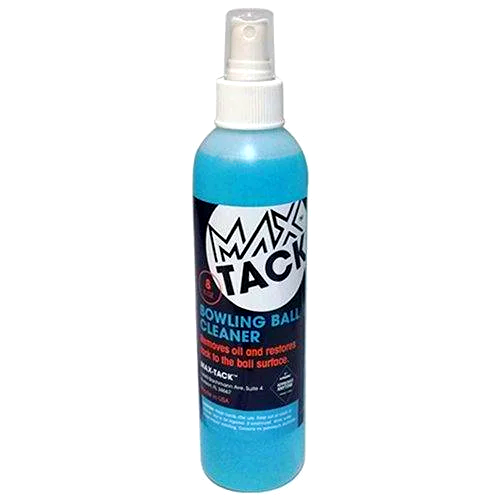
Best-selling bowling ball cleaners and polishes
Ranked by what BowlersMart customers bought in the last 30 days. Prices and stock are updated nightly.


Manufacturer maintenance schedules
| Step | Storm | Brunswick |
|---|---|---|
| Between shots | Wipe after each shot with a microfiber towel. | Wipe off with a Brunswick Reactive Shammy. |
| After bowling | Clean right after bowling with Reacta Clean, Storm’s daily cleaner. | Clean with Big B Bowling Ball Cleaner. |
| Every 10 games | Not specified. | Shiny finish: re-polish with Crown Factory Polish. Dull finish: scuff with a Siaair pad. |
| Every 30 games | Not specified. | Shiny finish: scuff the surface, then re-polish. Dull finish: lightly scuff. |
| Every 60 to 80 games | Resurface and extract oil: a ball-spinner grit progression of 180, 360, 500, 1000, 2000, 3000 and 4000, finished with Power Edge Polish. | A complete resurface and detox, at 60 games. |
Storm’s guide gives two steps: cleaning after every session and a resurface every 60 to 80 games. It gives no polish or scuff interval, so those rows say not specified.
USBC rules: what’s allowed during league and tournament play
USBC’s Playing Rulebook, Rule 18, sets what you can and cannot do to a ball once competition has started, which is the moment any bowler throws a ball for score in a league or tournament.
- No liquid cleaners without permissionEffective August 1, 2019, no liquid cleaner or cleaning agent may be used to wipe off a ball during USBC-certified competition, unless a league or tournament official grants permission (Rule 18(b)).
- No foreign material, at allRule 18(c) bans any foreign material on the ball, naming powder, rosin, marker and paint specifically. A ball found with any of them is removed from competition.
- Dry wiping is not the same as cleaningA towel or shammy with nothing on it is fine at any time. FAQ 18/3 only bans patting a foreign substance onto the ball and wiping it, or wiping it off; the product itself is what matters, not the towel.
- Surface work has to happen before competition startsSanding, polishing or scuffing is allowed right up until the first ball is thrown for score, and prohibited after, even on a ball that has not been used yet and even between separate events at the same tournament.
- Practice is different from competitionAn approved cleaner may be used during practice unless the league or tournament’s own rules say otherwise (FAQ 18/4).
Ball spinners have no rule of their own. Neither the current Playing Rulebook nor the Equipment Specifications Manual names ball spinners, oil extraction machines, or any mechanized surface prep separately. They fall under the same Rule 18 ban as hand sanding or a liquid cleaner: fine before competition starts, not allowed once it has.
Signs it’s time to resurface
Cleaning restores what a ball already has; resurfacing starts over. A few signs say which one a ball actually needs.
- Loss of hook potentialThe ball isn’t breaking as sharply as it used to, or the reaction feels flat compared to when it was new.
- Visible wearScratches, nicks, or a dull, worn look to the coverstock, any of which can change how the ball tracks down the lane.
- Oil that cleaning won’t touchIf the ball still looks or feels oily right after a normal cleaning, or oil rings after a shot look dark rather than light, the oil has worked past what surface cleaning reaches.
- Inconsistent motion, shot to shotThe same look, same line, different result. Storm’s own guide lists this as its most severe wear sign.
The schedule catches it either way. Storm and Brunswick both put a full resurface on the calendar, every 60 to 80 games or every 60 games, whether or not any of these signs has shown up yet.
Step by step: cleaning and resurfacing at home
Cleaning at home
- Wipe the entire ball with a microfiber towel or shammy to clear loose oil and dust.
- Apply an approved liquid cleaner across the whole surface, not just the track.
- Work the cleaner in with a clean section of the towel, then wipe it off with a dry section.
- For a heavier clean, a warm (not boiling) water bath with a little dish soap, 20 to 30 minutes, keeping water out of the finger holes, then dried thoroughly, is a method some bowlers use between pro shop visits.
- Let the ball air dry completely before it goes back in the bag.
Skip the household cleaners. Windex, acetone and rubbing alcohol are not bowling ball cleaners. Acetone and rubbing alcohol in particular can attack the plasticizers in a reactive resin coverstock, the same chemistry that gives the ball its hook. Boiling water is also out; the heat can damage the core.
Resurfacing at home
A full resurface is usually a pro shop job, done on a ball spinner. Storm’s own instructions work the ball in four quarter-turns (grip centered on top, flip 180°, rotate 90°, flip 180° again) at each of seven grits in order, 180, 360, 500, 1000, 2000, 3000 and 4000, finishing with a polish such as Power Edge Polish. A bowler without a spinner and the right pads is better served having a pro shop do this step; the cleaner/polish and surface-care rails below carry the pads and polish for bowlers set up to do it themselves.
For a shorter walkthrough, see the Bowling Ball Maintenance Guide in our help center.
Shop the gear
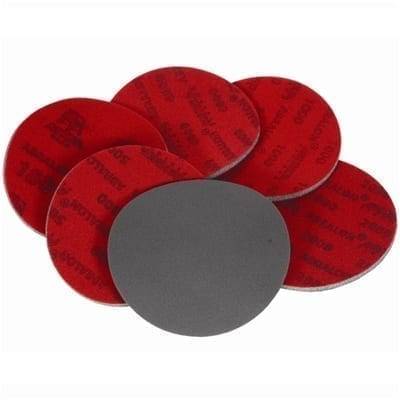
Best-selling Abralon pads and surface tools
Ranked by what BowlersMart customers bought in the last 30 days. Prices and stock are updated nightly.


Questions bowlers ask
How often should I clean my bowling ball?
Wipe it with a towel or shammy after every shot, then clean it with a liquid cleaner after every session. Storm’s own care guide and Brunswick’s maintenance chart both put the liquid cleaning step right after bowling. Add a polish or scuff every 10 to 30 games and a full resurface every 60 to 80 games.
Can I use a liquid cleaner during a tournament or league night?
No, not once competition has started. USBC Rule 18(b) has banned liquid cleaners and cleaning agents on the ball during competition since August 1, 2019, unless a league or tournament official grants permission. Dry wiping with a towel or shammy, with no cleaner and no foreign substance, stays legal throughout.
What’s the difference between cleaning and polishing?
Cleaning removes oil and dirt from the coverstock’s pores and restores its grip; it is something every ball needs after every session. Polishing changes the finish itself, adding shine, length and a stronger backend reaction, and scuffing does the opposite, roughening the surface for more traction. Both are periodic, every 10 to 30 games on Brunswick’s own schedule.
When should I resurface instead of just cleaning?
When cleaning and polishing stop restoring the ball’s reaction: visible scratches or a dull, worn look, oil that still looks or feels present right after cleaning, or a hook that keeps fading despite regular care. Storm and Brunswick both schedule a full resurface anyway, every 60 to 80 games for Storm and every 60 games for Brunswick, whether or not those signs have shown up yet.
Is rosin or powder allowed on my ball?
Not during competition. USBC Rule 18(c) bans any foreign material on the ball, naming powder, rosin, marker and paint specifically, and a ball found carrying any of them is removed from competition.
Do plastic and urethane balls need the same care as reactive resin?
They need the same basic routine, wipe after every shot and clean after every session, but reactive resin’s porous coverstock absorbs oil fastest and benefits from the most frequent deep cleaning. Urethane absorbs less, and plastic or polyester spare balls absorb the least, so both can typically go longer between deep cleans without losing performance.
What’s a ball spinner and do I need one?
A motorized stand pro shops use to hold the ball steady while it is cleaned, sanded or polished evenly across the whole surface. USBC’s rulebook does not name spinners specifically: used before competition starts, a spinner is treated the same as hand sanding; used once competition has started, it falls under the same Rule 18 ban as any other surface work. You do not need one for routine wiping and cleaning, only for resurfacing.
Can I clean my ball between games in a tournament?
No, not with a liquid cleaner or anything that leaves a foreign substance on the ball, even on a ball you have not bowled with yet in that competition, and even between separate events at the same tournament. Dry wiping with a plain towel or shammy, with nothing applied to the ball, is always fine.
Sources and method
USBC Playing Rulebook and Equipment Specifications Manual. Rule 18(b) and 18(c) on cleaners and foreign material, and FAQs 18/1 through 18/9, from USBC’s current official rulebook and equipment manual, on bowl.com.
Storm Bowling. Storm’s own ball care guide, stormbowling.com/ball-care-guide, for the after-session cleaning step, the 60-to-80-game resurface interval, and the ball-spinner grit progression.
Brunswick Bowling. Brunswick’s Reaction Comparison Poster (brunswickbowling.com, form 0619-49), for the between-shots, after-bowling, every-10-games, every-30-games and every-60-games schedule.
Products shown. The product rows show what bowlers have bought most from us in the last 30 days, with current prices and stock, refreshed nightly.
Next lesson
Free shipping on US orders.
