

 Pay in 4 with Afterpay
 Personalized Bowling Bags
 Personalized Shammies
 Personalized Bowling Jerseys
 Shop Hammer Balls
 Shop Epic Shoes
 Shop Epic Bags
Bowling balls
Spare Bowling Balls: Do You Need One, and Which Kind?
What a spare ball does, whether you need one, and plastic vs urethane for picking up corner pins
A spare ball is a plastic (polyester) bowling ball thrown straight at a single pin or a corner-pin leave, instead of the hooking reactive or urethane ball you throw for strikes. Plastic hooks far less than reactive resin, so it stays straight on most conditions. It can still bend a little on drier lanes or at slower speeds. Bowlers who already throw a ball that hooks gain a lower-hook, straighter option by adding a dedicated plastic ball.
Have a bowling question? Search the learning center.
Why bowlers carry a spare ball
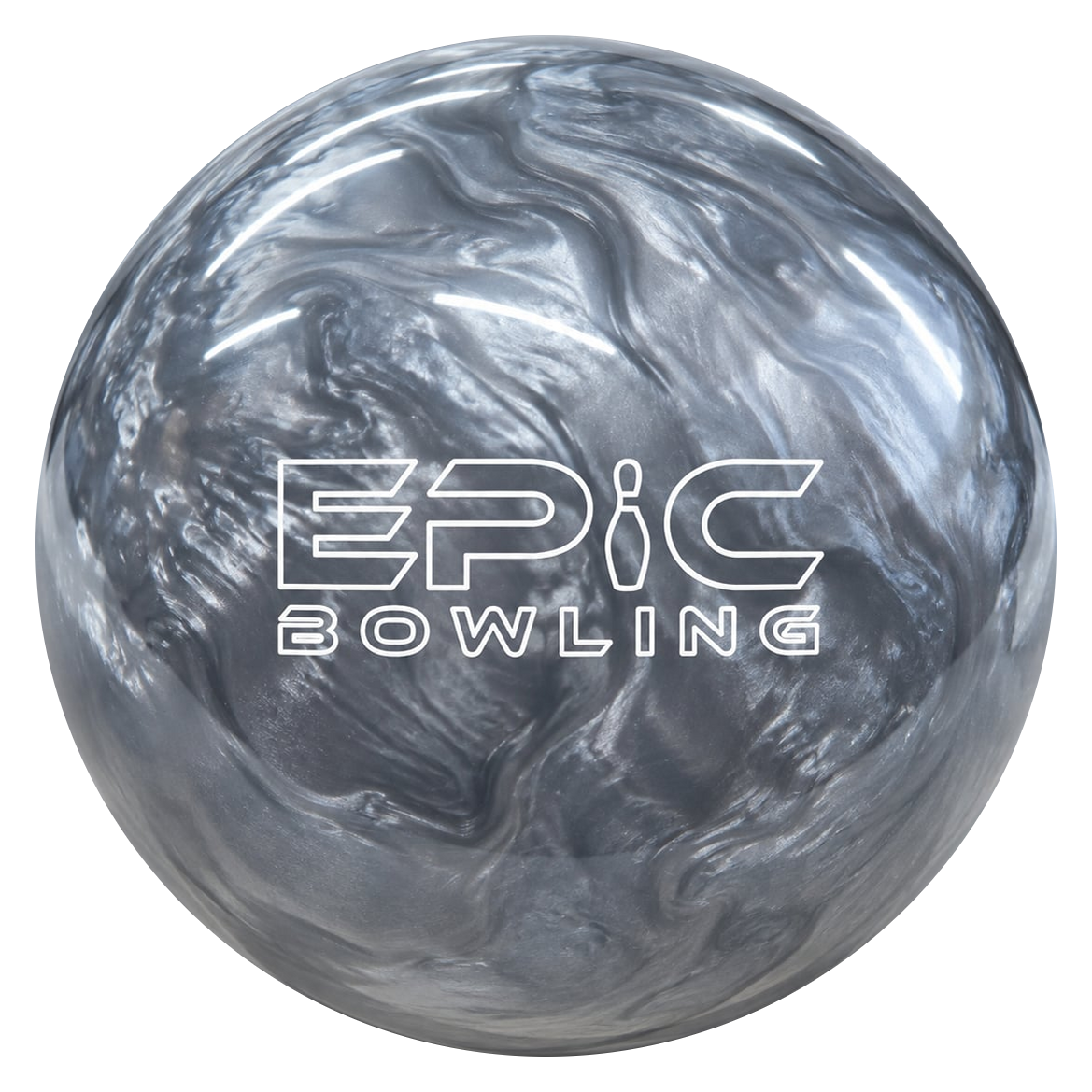 Plastic
 Plastic, clear finish
A spare comes up when you miss a strike and have to clear whatever pins are left standing, a single pin or a corner-pin combination. That shot rewards accuracy over hook: a ball that curves toward the pocket on a strike attempt can just as easily curve away from a lone pin standing off to one side. Plastic hooks far less than reactive resin, so it holds a straighter, more predictable line on most conditions.
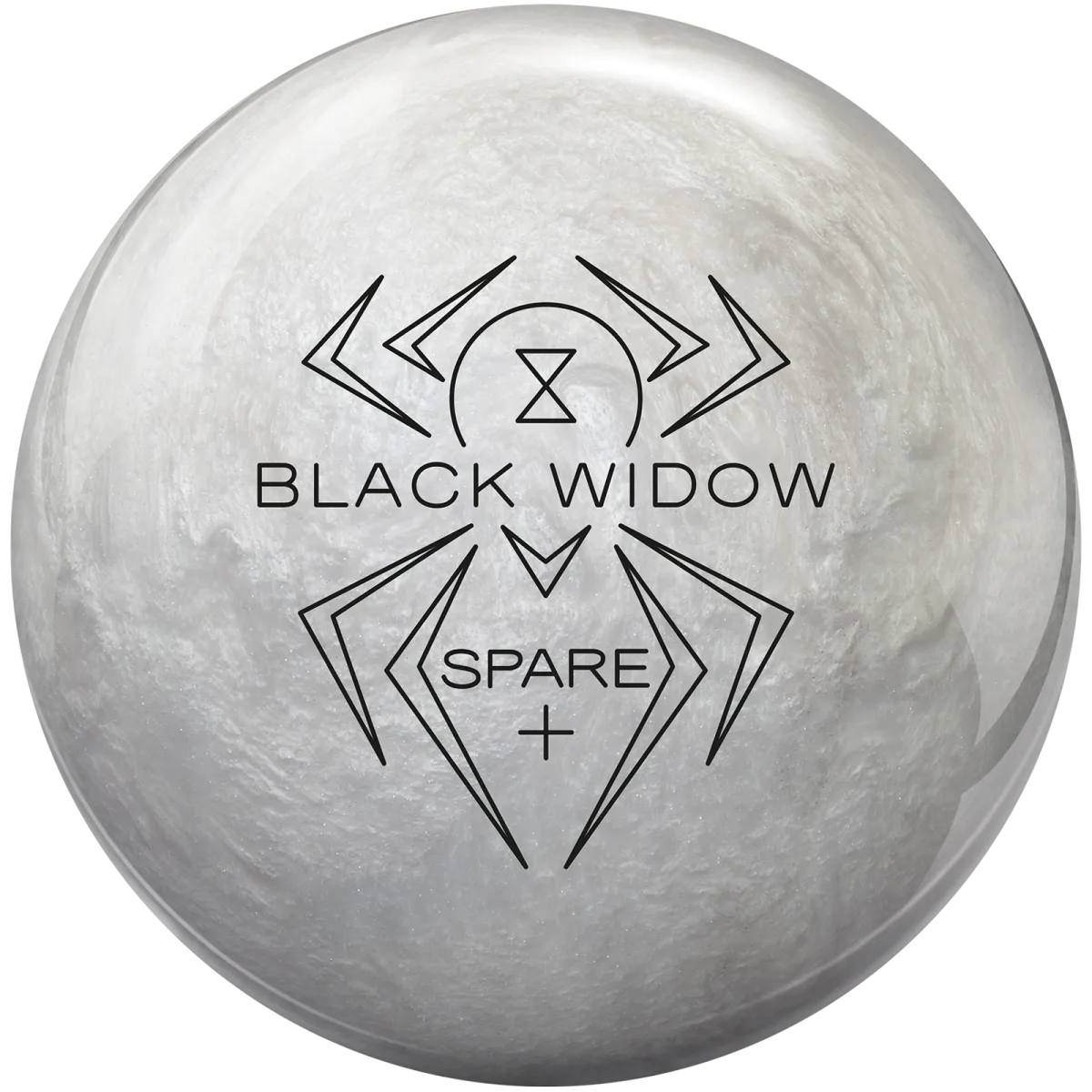
Plastic can still hook when it reaches dry friction, especially at slower ball speeds. One example built for more motion is the Hammer Black Widow Spare+, which in its 14 to 16 pound weights pairs its plastic cover with an asymmetric Gas Mask core for controlled motion on dry lanes and short patterns, according to its own listing.
Do you need a spare ball?
There is no fixed rule for who needs a dedicated spare ball; it comes down to how you already bowl.
- You throw a hooking ball for strikesA reactive or urethane ball that curves toward the pocket is working against you on a single pin or a sharp corner-pin leave. A straight plastic ball gives you a second, predictable option for exactly that shot.
- You already bowl straightIf your strike ball does not hook much to begin with, it already behaves like a spare ball on single pins, so a dedicated plastic ball is an option rather than something your game is missing.
- You are just starting outA plastic ball is a common first ball for a new bowler, and it becomes the dedicated spare ball once a hooking ball is added later. See the coverstock guide’s plastic section for how that progression works.
- You bowl casually, one ball onlyA second ball is optional, not required. It is an addition for bowlers who specifically want a repeatable straight shot on single pins, not a requirement to keep playing.
Plastic vs urethane for a spare ball
A clear or see-through bowling ball is not a separate cover type from a non-clear one. Both are polyester plastic, the same cover material, and both hook far less than reactive resin. Clear is a look within plastic, while a specific ball’s own core and design still shape its reaction. Plastic can still bend a little on drier lanes or at slower speeds.
| Type | Cover material | Reaction for spares | Example on our shelf |
|---|---|---|---|
| Plastic | Polyester, the least aggressive cover we sell. Sold in clear or translucent finishes as well as non-clear ones; the finish is a look, not a different material | Hooks far less than reactive resin, so it stays straight on most conditions. It can still bend a little on drier lanes or at slower speeds, and each ball’s core also affects its reaction | Epic Pin Ball, Hammer Black Widow Viz-a-Ball; Storm Clear Teal (clear finish) |
| Urethane | A softer cover than plastic, far less aggressive than reactive resin | A controlled, predictable motion rather than a flat straight line; Hammer describes its Black Pearl Urethane as built for "precise spare and control shots" on dry, short or broken-down lanes | Hammer Black Pearl Urethane |
| Reactive resin | The most aggressive cover we sell, built to grip and hook hard toward the pocket, per our own coverstock guide | The opposite of what a spare shot needs: it hooks away from a straight line rather than holding one | Built for hook, not for a straight spare line |
A clear or translucent finish is a look within the plastic cover, not a different cover type: it is the same polyester material as a non-clear plastic ball. One example, the Hammer Black Widow Spare+, pairs the plastic cover with a performance core for a straight reaction that still picks up some motion on dry lanes; check a specific product’s own listing rather than assuming every plastic ball behaves identically.
Best-selling plastic bowling balls right now
Ranked by what BowlersMart customers bought in the last 30 days. Prices and stock are updated nightly.




Urethane for spares
Urethane balls in our catalog are built and sold as control pieces for dry, short or worn lane conditions. One example, the Hammer Black Pearl Urethane above, names "spare and control shots" specifically on its own listing. If your lane conditions call for that kind of control ball anyway, it can double as a spare option; it is not a substitute for a plastic ball if what you want is the flattest, most predictable straight line.
Best-selling urethane bowling balls right now
Ranked by what BowlersMart customers bought in the last 30 days. Prices and stock are updated nightly.


Why not reactive resin?
Our own coverstock guide describes reactive resin as the cover that "grips the most," built to hook hard toward the pocket on a strike attempt. That is the opposite of what a spare shot rewards, a straight, repeatable line to a single pin or corner-pin leave.
Weight and fit for a spare ball
USBC caps a legal bowling ball at 16.00 pounds and sets no minimum weight at all, the same rule that applies to every ball you own, spare ball included. For help choosing a weight and fit, see our bowling ball buyer’s guide.
Buyer’s guide: Bowling Ball Buyer’s Guide
Drilling a spare ball
A spare ball you grip with finger and thumb holes is drilled to fit your hand like any other ball. USBC allows up to five gripping holes, one for each finger and one for the thumb, all for the same hand, and every hole used for gripping must be used on every delivery. How a layout is chosen for your grip and release is covered in full in our drilling layouts guide.
Using a spare ball
Owning a spare ball is only half of converting more spares. The other half is a repeatable target and system for whatever pins are left standing, from a single pin to a split. Our bowling spares and pin numbers guide covers the systems bowlers use for the common single-pin and multi-pin leaves; this page is about which ball to throw, not how to aim it.
Questions bowlers ask
What is a spare ball?
A spare ball is a plastic (polyester) bowling ball thrown for picking up spares, a single pin or a corner-pin leave, instead of the hooking reactive or urethane ball used for strikes. Plastic hooks far less than reactive resin, so it stays straight on most conditions, but it can still bend a little on drier lanes or at slower speeds.
Do I need a separate ball just for spares?
Not necessarily. It depends on how you already bowl: if your strike ball hooks, a straight plastic ball gives you a lower-hook, straighter option on a single pin. If you already bowl straight, or bowl casually with one ball, a dedicated spare ball is an addition, not a requirement.
Is a clear bowling ball a different type from a plastic one?
No. A clear or translucent ball, such as Storm’s Clear Teal, is the same polyester plastic as a non-clear ball like Epic’s Pin Ball. Clear is a look within the plastic cover, not a separate cover type, but reaction still depends on each ball’s own core and design, not the finish alone: as Hammer’s listing for the Black Widow Spare+ puts it, "not every polyester ball is created equal."
Can I use a reactive ball for spares?
Reactive resin is the most aggressive cover we sell, built to grip and hook hard toward the pocket on a strike attempt, the opposite of the straight, repeatable line a spare shot rewards.
Can a urethane ball work for spares?
It can, especially on dry, short or broken-down lanes: Hammer’s own listing for its Black Pearl Urethane names "precise spare and control shots" among what the ball is built for. Urethane is not marketed as a straight-line spare tool the way plastic is, so it suits bowlers who already want that controlled motion for lane conditions, not bowlers looking for the flattest possible straight shot.
What weight should my spare ball be?
USBC caps a legal ball at 16.00 pounds with no minimum, the same rule as any other ball. See our bowling ball buyer’s guide for help choosing a weight and fit.
Is a plastic ball legal in USBC league play?
Yes. USBC’s ball specifications, weight, diameter, hardness and the rest, apply to every ball regardless of cover material, and nothing in USBC’s rules bars a plastic cover. See our ball rules guide for the full legality picture.
Does a spare ball need to be drilled specially?
A spare ball you grip with finger and thumb holes is drilled to fit your hand, the same as any other ball: USBC allows up to five gripping holes, one per finger and one for the thumb, used on every delivery. How a layout is chosen for your own grip and release is covered in our drilling layouts guide.
Sources and method
Our product pages. The cover-material claims, the plastic reaction in both clear and non-clear finishes, the Hammer Black Widow Spare+ core-and-cover combination (including its 14 to 16 pound Gas Mask core weights), and the urethane "spare and control shots" language come from our own current listings for the Epic Pin Ball, Hammer Black Widow Viz-a-Ball, Hammer Black Widow Spare+, Storm Clear Teal and the Hammer Black Pearl Urethane.
Our coverstock guide. The characterization of reactive resin as the cover that grips and hooks the most, cited here to explain why it is not a spare-ball cover, is from our own live /learn/balls/coverstocks/ page.
National Bowling Academy. Its two-handed spare-shooting lesson explains that a plastic ball still hooks when it reaches friction, especially at slower ball speeds.
USBC rules. The 16.00-pound maximum weight with no minimum, and the gripping-hole limits (up to five, one per finger and the thumb, used on every delivery), are from the USBC Equipment Specifications and Certifications Manual, the primary source compiled in our ball rules fact sheet.
Products shown. The product rows show what bowlers have bought most from us in the last 30 days, with current prices and stock, refreshed nightly.
Next lesson
Free shipping on US orders. 60-day returns on new, unused balls.
