

 Pay in 4 with Afterpay
 Personalized Bowling Bags
 Personalized Shammies
 Personalized Bowling Jerseys
 Shop Hammer Balls
 Shop Epic Shoes
 Shop Epic Bags
Bowling shoes
Bowling Shoe Soles and Heels Explained
The slide sole number system, brake heels, why your slide changes from day to day, and which pads to carry
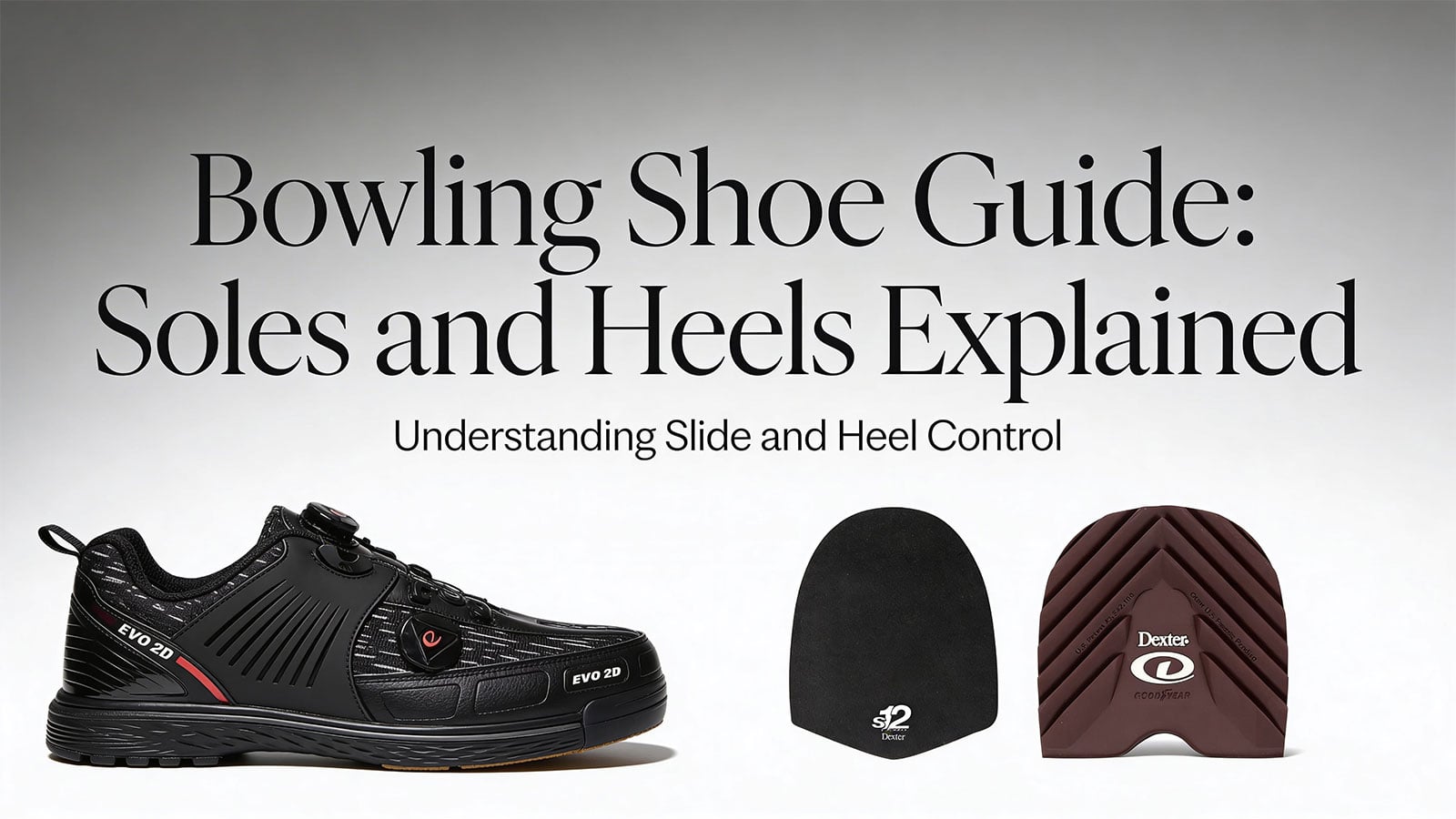
Performance bowling shoes carry removable pads: a slide sole under the sliding foot, a traction sole under the push-off foot, and a brake heel behind the slide. Most brands rate the pads on a number scale: a low number grips and shortens the slide, a high number glides and lengthens it. Start with the pads in the box (on a Dexter SST that is an S8 sole and an H5 heel), change one pad at a time, and go up a number when you stick, down a number when you slide past the line. Humidity, the approach surface and dirt on the sole change the slide more than anything you do with your feet.
Have a bowling question? Search the learning center.
What the soles and heels do
| Pad | Which foot | Material | What it controls |
|---|---|---|---|
| Slide sole | Sliding foot (left for a right-hander, right for a left-hander) | Microfiber, leather or felt | How far you glide on the last step; the pad swapped most often |
| Traction sole | Push-off foot (the other one) | Rubber | Grip through the approach so the push-off is stable |
| Brake heel | Heel of the slide shoe | Rubber or leather | How quickly the slide stops, and how smoothly, at the foul line |
The pads attach with hook-and-loop fasteners and swap in about a minute, so the shoe can be set up for the approach in front of you rather than the one it was sold on.
Your slide on the approach matters as much as the ball in your hand. Too much slide and the release gets away from you; too little and you stick, stumble or pull the shot. The right sole and heel combination gives you the same smooth, repeatable finish every time, with no change to your ball or your technique.
How the sole number system works
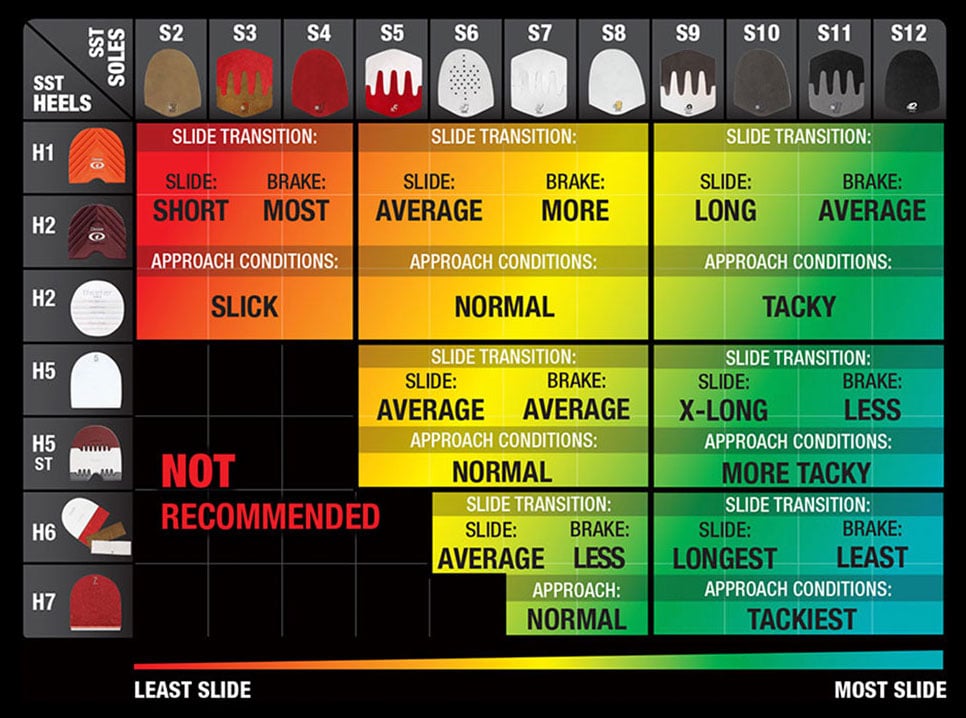
Most manufacturers rate their soles and heels on a number scale, and it reads the same way across brands: a lower number means less slide and more friction, a higher number means more slide and less friction. New performance shoes ship with a middle setting, so there is room to move in either direction.
| Sole | Slide | Approach it suits | Who reaches for it |
|---|---|---|---|
| S2 to S4 | Short (most grip) | Slick approaches | Fast feet, a short slide by preference, or a center that feels like ice |
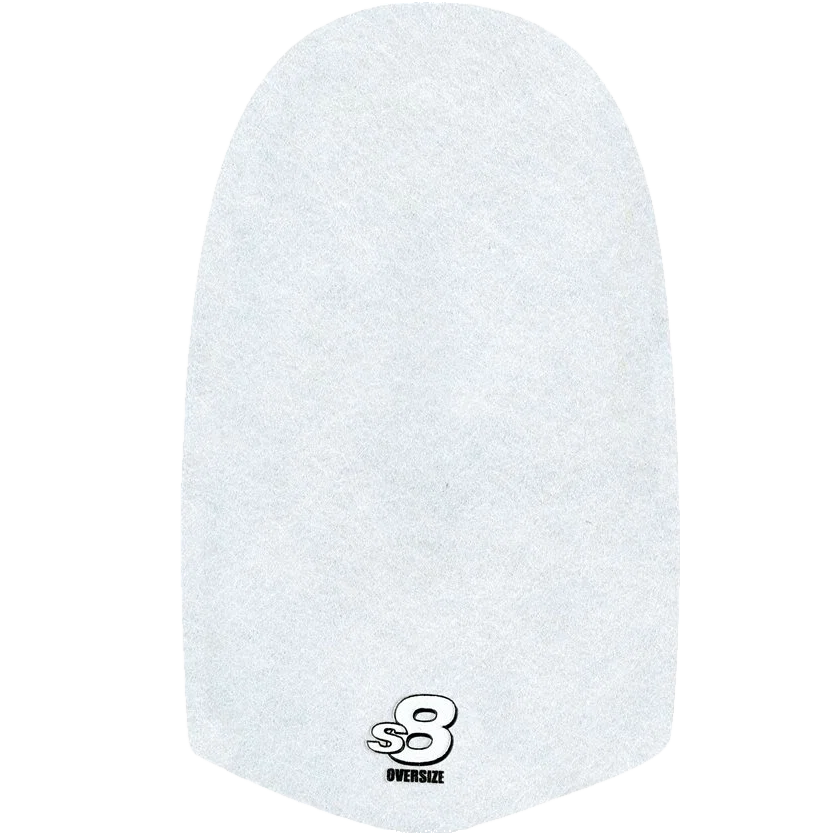
| S5 to S8 | Average | Normal approaches | Most league bowlers; S8 is the pad Dexter ships on an SST |
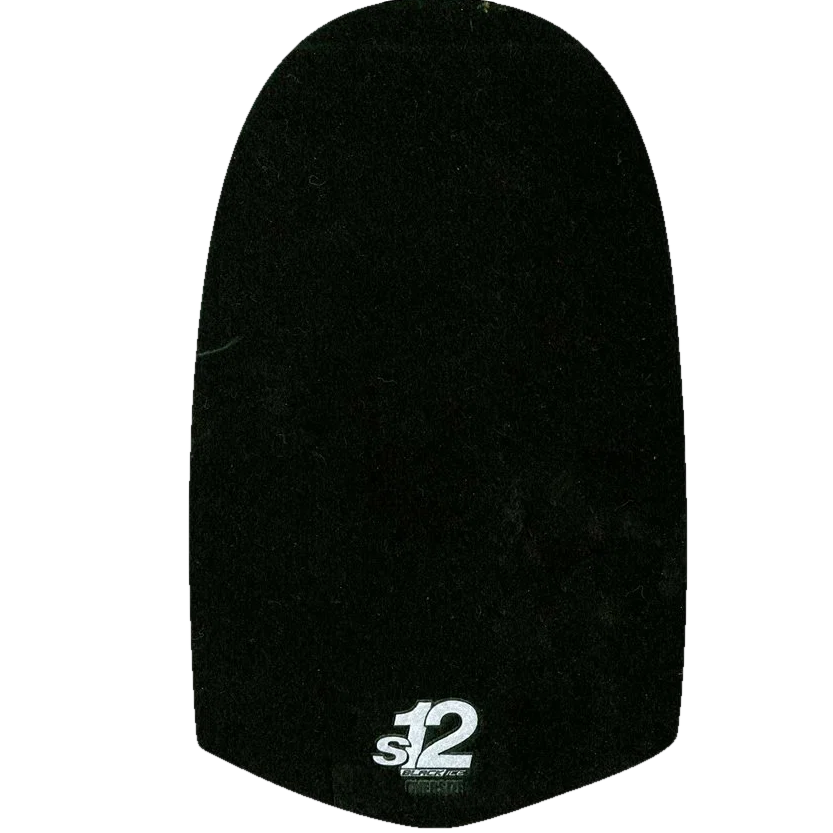
| S9 to S12 | Long to longest | Tacky approaches | Humid days, sticky centers, or bowlers who want a long, smooth slide |
Dexter’s odd numbers (S3, S5, S7, S9, S11) are combination pads that blend the materials on either side of them, which is how the scale gets its fine steps. Epic pads use their own marks and are cross-brand compatible; go by the slide description on the product page rather than the Dexter number.
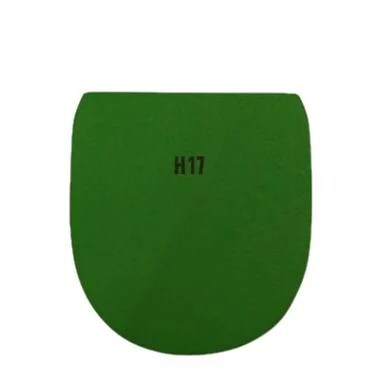
Brake heels follow the same logic. A low-numbered heel such as the H1 or H2 brakes hardest and stops the slide quickly. A high-numbered heel such as the H7 leather lets the heel glide a little before it stops, for a softer finish. The H5 Saw Tooth is the common default and suits most bowlers as a starting point.
Why your slide changes from day to day
The same shoes on the same feet can slide differently from one session to the next. Four things move the slide, and none of them is your footwork.
- Approach surfaceNewer synthetic approaches tend to be slick, older wood approaches tackier. One pair of shoes can feel completely different from center to center, which is why travelling bowlers carry spare soles.
- Humidity and weatherThe biggest environmental factor. Moisture in the air makes the approach tackier and shortens the slide; dry air does the opposite. A setup that is right in winter can feel sticky in July.
- Foot traffic and time of dayApproaches pick up dust, moisture and wear as the day goes on. A morning league can slide differently from late-night open bowling on the same lanes.
- Dirt on the soleLane oil, dust and grit collect on the slide sole, and walking off the approach without a shoe cover adds more. A dirty sole slides unpredictably; a wire shoe brush fixes most of it.
Wear a shoe cover off the approach. Carpet, concrete and tile contaminate the slide sole and change the slide at once. It is the single most common reason a bowler’s slide goes inconsistent.
How to choose the right combination
Finding your setup does not mean buying every pad. Most bowlers dial in their slide with two or three slide soles and one or two heels.
- Start with what came in the boxDexter, Brunswick, 3G and Epic performance shoes ship with a default pad already fitted: a Dexter SST usually carries an S8 slide sole and an H5 Saw Tooth heel, a Dexter THE 9 a THS7 slide sole, H5 ST, THT2 traction sole and H2 heel. Bowl several sessions on the stock setup first; that is your baseline.
- Change one pad at a timeSticking or sliding short? Try a higher-numbered slide sole. Sliding long or out of control? Drop a number. Changing the sole and the heel together makes it impossible to tell which one worked.
- Try the heel before the soleA heel swap, say from the rubber H5 to the leather H7, often smooths the finish without changing the slide length at all. Experienced bowlers use it as their fine adjustment.
| Pad | When it goes on |
|---|---|
| S4 or S6 slide sole | Slick approaches, or when the usual pad slides too far |
| S8 slide sole | The everyday default on a normal approach |
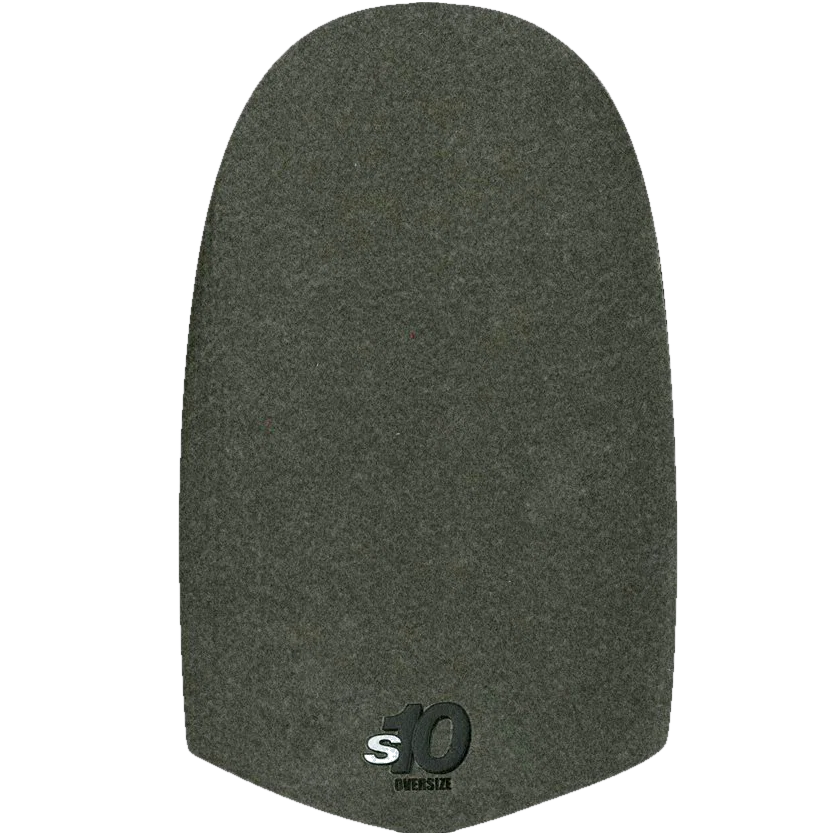
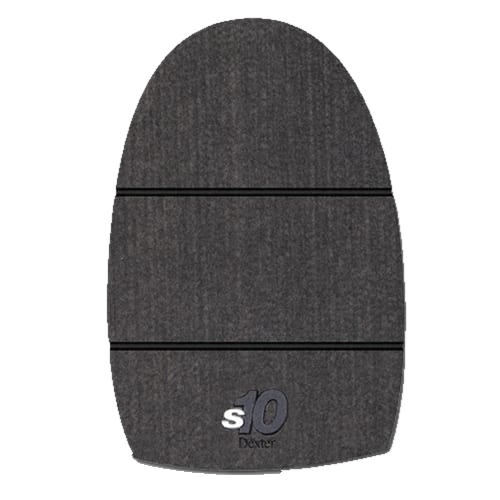
| S10 slide sole | Tacky approaches, humid days, sticky centers |
| H5 Saw Tooth heel | The standard rubber heel, balanced braking |
| H7 leather heel | A smoother transition from slide to stop |
Three to five slide soles and two heels cover almost every condition a bowler meets. Label each pad with its number so the right one comes out of the bag quickly between games.
Compatibility by brand
Soles and heels are not universal. Most are made for particular shoe models within a brand, so the shoe you own decides which pads you can buy.
| Brand | Shoe lines | Sole system | What to know |
|---|---|---|---|
| Dexter | SST 8, THE 9, C9 | SST and T.H.E. Technology | The widest range of soles and heels. SST soles fit SST shoes; T.H.E. soles fit only THE 9 and C9. Dexter heels fit every Dexter performance shoe. |
| Brunswick | Performance models | Numbered slide soles | Uses the same S2 to S10 scale. Soles come oversized and trim to fit any size. |
| 3G | Racer, Tour Ultra | Interchangeable pads | Two soles and three heels in the box, with a quick-change fitting for swaps between games. |
| Epic | Ares Dial, Thor Dial, Evo2D, Apollo | Removable slide pads | The Ares Dial and Thor Dial ship one average-slide pad that swaps or replaces when it wears; the Evo2D ships three soles and three heels, the Apollo four of each. Epic pads are cross-brand compatible. |
Dexter SST soles do not fit Dexter T.H.E. shoes, and the reverse. Check the compatibility line on the product listing, or the manufacturer’s chart, before buying a replacement pad.
Best-selling replacement soles and heels
Ranked by what BowlersMart customers bought in the last 30 days. Prices and stock are updated nightly.





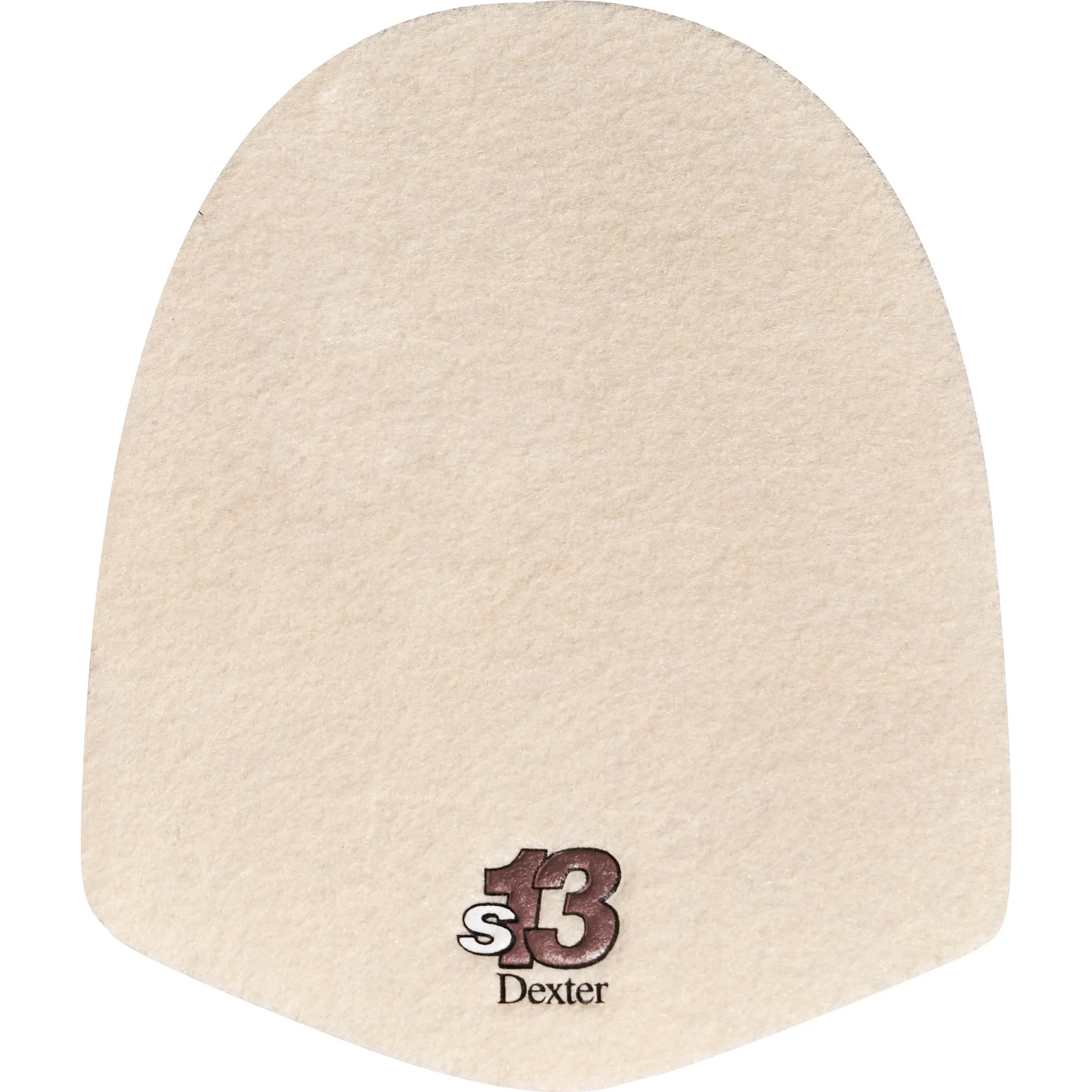
How to fit and trim a replacement sole
Most replacement slide soles are sold oversized, one size for every shoe, and are trimmed to match. It takes a couple of minutes.
- Peel the old sole off the shoe.
- Set the shoe on the new sole and trace around it with a marker.
- Cut along the line with sharp scissors.
- Press the trimmed sole on, check the edge, and trim anything that overhangs.
The exception is Dexter THE 9 and C9. Their T.H.E. soles are symmetrical, so one pad fits either foot with no trimming, and the slide sole can move to whichever foot you slide on.
For the full walkthrough with photos, see how to change the soles and heels on your bowling shoes.
Care and maintenance
- Brush before and afterA wire shoe brush on the slide sole before and after each session clears the dust, oil and grit that change the slide. A clean sole is a predictable sole.
- Cover the shoes off the approachShoe covers every time you leave the bowling area, with a spare pair in the bag.
- Inspect for wearA slide sole worn smooth in the middle or worn unevenly gives uneven results. Pads last months of regular use; heavy sliders replace them sooner.
- Store the spares cleanSpare pads live in a clean, dry pocket of the bag, each labelled with its number.
Performance shoes vs athletic bowling shoes
Athletic-style bowling shoes, sometimes called universal shoes, have a fixed sole on both feet, usually a basic microfiber slide pad that cannot come off. They are fine for casual bowling, but the slide they give is the only slide they have, whatever the approach does.
Performance shoes with interchangeable soles are a different tool. The slide can change before, between or during games. For a bowler who plays several centers, travels for tournaments or simply wants a consistent finish, the step up to interchangeable soles is one of the better-value upgrades in the game, because the pad gets replaced instead of the shoe.
| Athletic shoes | Performance shoes | |
|---|---|---|
| Slide sole | Fixed, not removable | Interchangeable, several options |
| Brake heel | Fixed | Interchangeable |
| Adapts to conditions | No | Yes, a pad swap takes about a minute |
| When the sole wears | Replace the shoe | Replace the pad |
| Left or right hand | Some models slide on both feet | Hand-specific, or convertible on some models |
| Typical price | $40 to $80 | $100 to $250 and up |
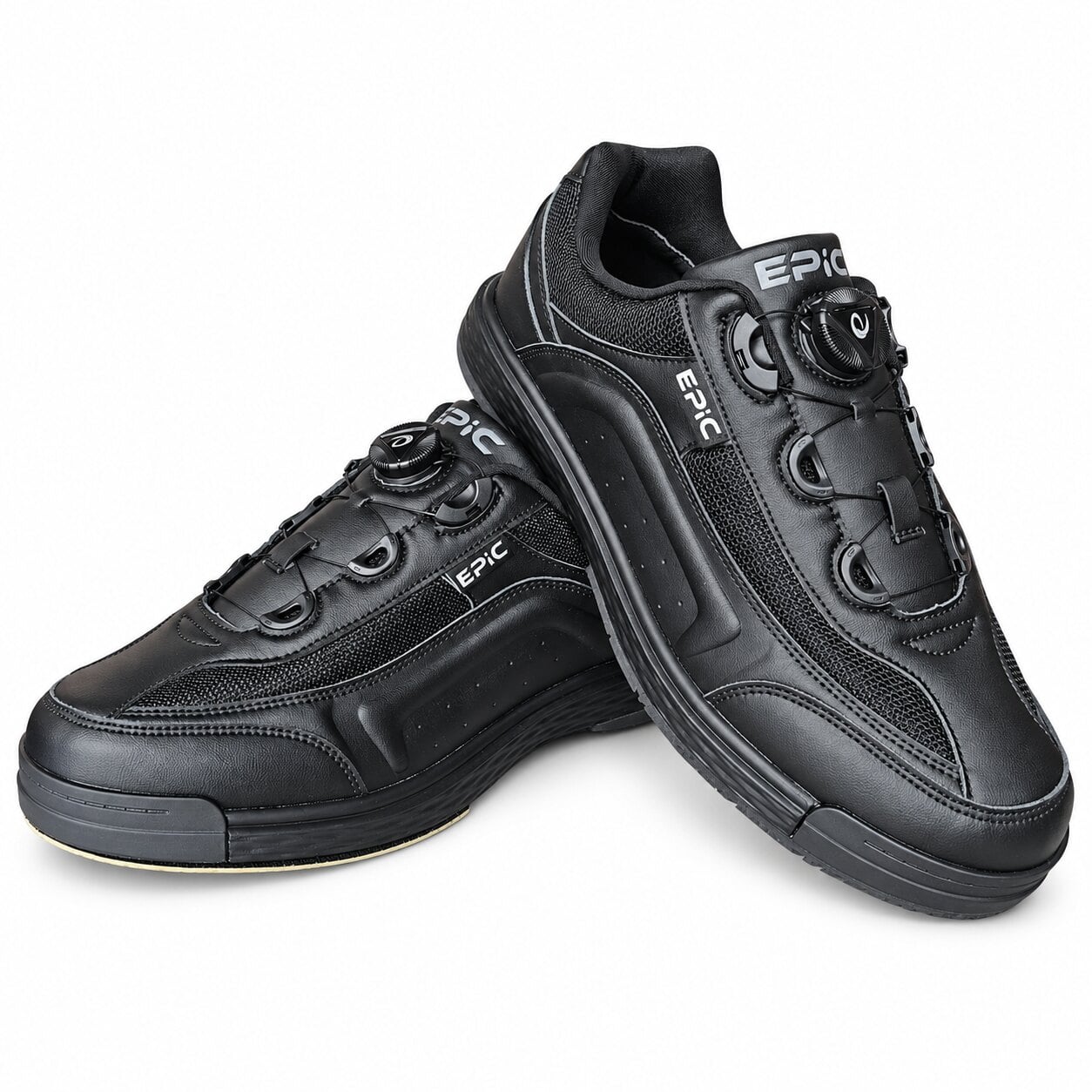
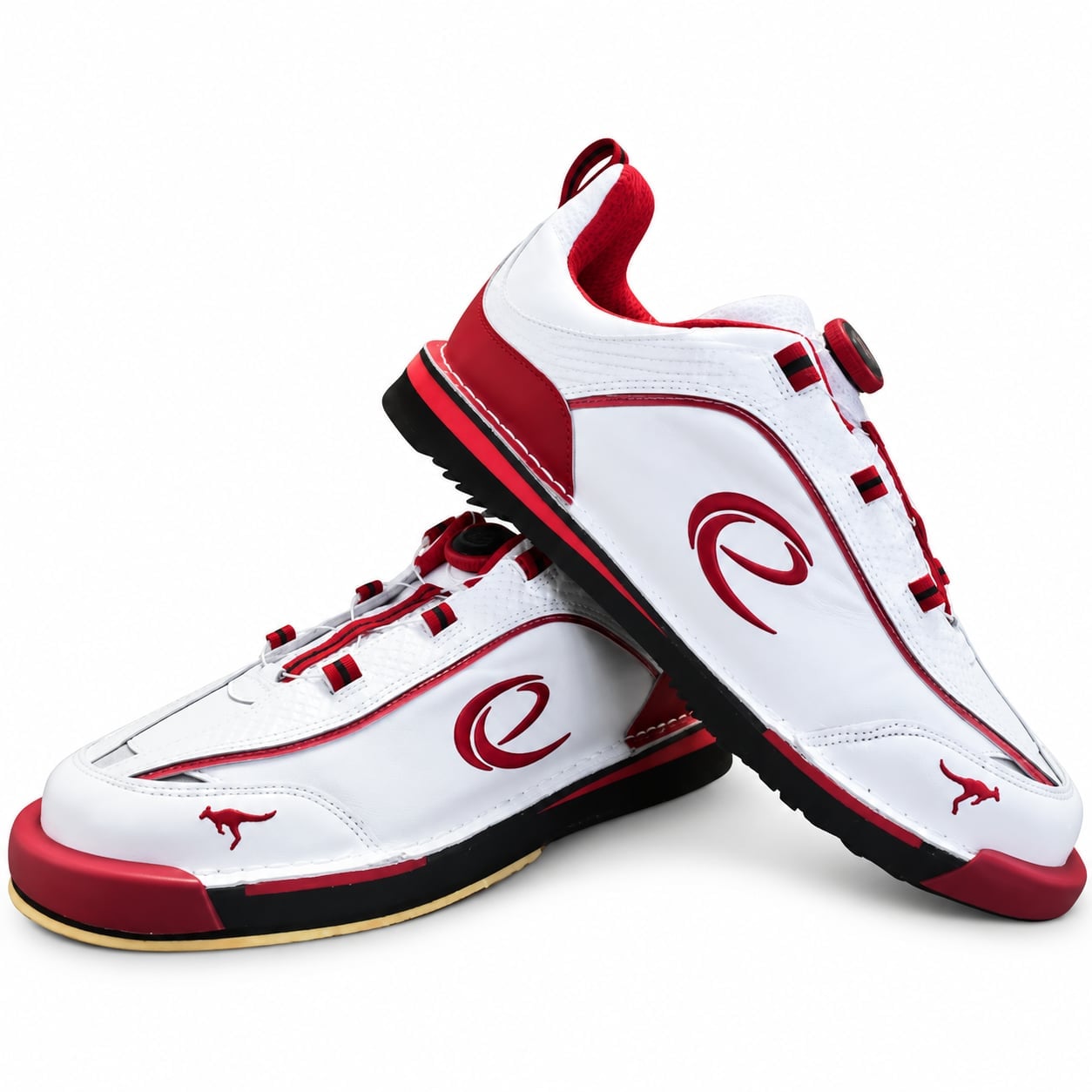
Best-selling shoes with interchangeable soles
Ranked by what BowlersMart customers bought in the last 30 days. Prices and stock are updated nightly.





Questions bowlers ask
What sole and heel should a beginner start with?
Start with the pads that came in the box, usually a mid-range slide sole (S6 to S8) and a standard rubber brake heel (H5). Bowl a few sessions on that, then move up a number if you stick or down a number if you slide too far. Most bowlers find the stock setup suits standard league conditions.
How many soles and heels should I carry?
Three to five slide soles and two heels. A practical set covers low slide (S4), medium slide (S6 to S8) and high slide (S10), plus a rubber heel (H5) and a leather heel (H7). That handles any approach without filling the bag.
Can I use Dexter soles on Brunswick or 3G shoes?
No. Pads are made for particular brands and models. Dexter SST soles fit Dexter SST shoes only and Dexter T.H.E. soles fit only THE 9 and C9. Brunswick and 3G have their own systems. Check the product listing for your shoe model before buying.
How often should I replace a slide sole?
There is no fixed timeline; it depends on how often you bowl and how hard you slide. Look for smooth spots, thinning or uneven wear. When the slide stops being consistent, the pad is done. Regular league bowlers tend to replace a slide sole every three to six months.
Why am I sticking on the approach with new shoes?
The approach may be tacky from humidity or poor maintenance, the sole may be dirty from walking off the approach without a cover, or the stock sole may simply be too low a number for that center. Brush the sole first. If it still sticks, fit a higher-numbered slide sole.
Should I change the sole or the heel first?
For a big change in slide length, change the slide sole. For fine tuning, change the brake heel first: swapping a rubber H5 for a leather H7 adds a little glide at the end of the slide without changing how far you travel.
Do I need to trim a replacement sole?
Usually yes. Most replacement soles are oversized, one-size pads: trace your shoe on the pad with a marker and cut along the line. The exception is Dexter T.H.E. soles for THE 9 and C9, which are symmetrical and fit either shoe without trimming.
Why does my slide feel different at another center?
Every center has its own approach surface, maintenance routine and air. Older wood approaches tend to be tackier than newer synthetic ones, and humidity, air conditioning and ventilation all move the slide. That is why tournament bowlers carry several soles: a pad swap adapts the shoe without changing the footwork.
Sources and method
Manufacturer data. Sole and heel numbers, box contents and compatibility come from Dexter’s published sole and heel guide and the manufacturers’ product specifications for Dexter, Brunswick, 3G and Epic shoes carried by BowlersMart.
Pro shop practice. The starting setup, the one-pad-at-a-time method and the carry list are what BowlersMart pro shop staff fit and recommend at the counter.
Rails. The two product rails rank by what BowlersMart customers bought in the last 30 days and refresh nightly with current prices and stock.
History. First published October 14, 2024 as a blog post; rebuilt as a learning page in October 2026. The chart image is Dexter Bowling’s and is credited where it appears.
Next lesson
Free shipping on US orders.
