

 Pay in 4 with Afterpay
 Personalized Bowling Bags
 Personalized Shammies
 Personalized Bowling Jerseys
 Shop Hammer Balls
 Shop Epic Shoes
 Shop Epic Bags
Bowling technique
Two-Handed Bowling Technique: How to Bowl With Two Hands
Stance, footwork, the release, drills and common mistakes from USBC and National Bowling Academy coaches, plus the rules, fit and spares answers
Two-handed bowling supports the ball with both hands through the stance and approach; as the swing reaches release, the support hand’s job ends and the dominant hand is the one that actually delivers the ball. USBC Gold coach Ron Hoppe puts it simply: “Jason [Belmonte] is a two-handed bowler, but at the release, he’s one-handed.” Jason Belmonte, Osku Palermaa, Kyle Troup, Anthony Simonsen and Jesper Svensson all bowl this way. It’s a fully USBC- and PBA-defined, legal style, with one rule that shapes your equipment: every gripping hole drilled into the ball has to be used by the same hand.
Have a bowling question? Search the learning center.
Who bowls two-handed
Jason Belmonte, Osku Palermaa and Kyle Troup are professional two-handed bowlers. Coaching profiles add two more: Anthony Simonsen, whose two-handed swing coach Mark Baker has broken down for its "flat spot," and Jesper Svensson, a left-handed two-hander Bill Spigner has profiled for his unusual support-hand grip. USBC Gold coach Bill Spigner has also profiled Bella Castillo, a youth two-handed bowler who won the U15 title at the 2024 USBC Junior Gold Championships.
The style has moved from a curiosity to a technique used by professional bowlers worldwide, with its own advantages and real learning demands; see Advantages and challenges below, and our bowling terms glossary for rev rate, PAP and pin carry.
Is two-handed bowling legal?
Yes. USBC’s Playing Rulebook names and defines the two-handed approach as its own delivery style, not an exception. Rule 4f opens with the one requirement that governs everything else about two-handed equipment:
USBC Rule 4f: “When utilizing a two-handed technique, holes or indentations for gripping purposes must be used by the same hand.”
PBA’s own rule book sets the same requirement for PBA Tour play, worded independently (Rule 10.4): "all holes or indentations for gripping purposes must be used, and by the same hand." PBA’s rulebook also states the two-handed approach "can be done with or without the thumb on the dominant hand in the ball" (Rule 10.2), so the same-hand rule applies whether or not you use a thumb.
That one sentence is where most of the real equipment questions come from. Two consequences follow directly from it, both stated in USBC’s rulebook:
- An unused drilled hole is a balance hole, and balance holes aren’t allowed.USBC classifies any gripping hole that doesn’t have the thumb or fingers inserted into it throughout the approach as a balance hole. If you don’t use your thumb during a delivery, the ball cannot have a thumb hole, or a balance hole, drilled into it; if it does, it is illegal and games are subject to forfeiture.
- A no-thumb ball needs a palm mark instead.USBC’s rulebook requires a scribed or engraved "+" near the center of the palm area on a ball with no thumb hole, to show the correct grip orientation; that mark has to be covered by the palm on delivery.
See Fit with no thumb hole below for what that means for your own ball, and Shooting spares two-handed for how the same rule applies to a spare ball.
What two-handed bowling is, and how it differs from one-handed
| Style | How the ball is released |
|---|---|
| One-handed | One hand releases the ball; the non-dominant hand only supports the ball. |
| Two-handed approach | Both hands stay on the ball through the swing until release, with the dominant hand imparting the force, with or without a thumb in it. |
| Two-handed delivery | Both hands impart force to propel the ball, usually by swinging it between the legs; most common when youth are first learning to bowl. |
Definitions from USBC’s Playing Rulebook, Rule 4f, and PBA’s Rule Book, Rule 10. This page covers the two-handed approach, the style used in adult and competitive play.
PBA’s rulebook is explicit that the two-handed approach can be bowled "with or without the thumb on the dominant hand in the ball" (Rule 10.2); it isn’t a thumbless-only style. See Fit with no thumb hole below for both setups.
USBC Gold coach Ron Hoppe frames the difference this way: every bowler starts as a two-hander, "it’s just a matter of when I let go of the off-hand." Two hands through the swing, with the dominant hand delivering at release, is what can produce a higher rev rate than a one-handed release; see our glossary for what rev rate and pin carry mean.
How to bowl two-handed, step by step
- 1
StanceNational Bowling Academy coaching says to cradle the ball with both hands, the support hand underneath rather than higher on it, with the support hand parallel to the bowling hand and the ball in line with the hip, close to the body. USBC Gold coach Bill Spigner adds a way to read your hand position from the support hand: when its middle finger points at the ring finger of your bowling hand, as Bella Castillo’s does, the bowling hand sits directly behind the ball; pointing it at the index finger puts the bowling hand more to the inside, closer to Jason Belmonte’s position. Jesper Svensson, whom Spigner has also profiled, does something different again: his bowling-hand fingers are woven between his support hand’s fingertips, which Spigner calls the only example of that grip he has seen.
- 2
Approach and footworkFive steps is a common count in the coaching profiles: Bill Spigner describes both Bella Castillo and Jesper Svensson using a five-step approach. Coach Mark Baker says the third step carries more weight for accuracy than the second, since that is where a late swing or an early body can show up; his drill for fixing it is in Drills below.
- 3
SwingRon Hoppe teaches an elbow slot at the bottom of the swing and a swing that coils without being forced. Mark Baker adds a physical limit: "How far your ball can go back is limited by the length of your body," which is part of why timing matters so much for two-handers.
- 4
FinishBill Spigner’s description of Bella Castillo’s finish: a bent slide knee supporting the upper body, the trail leg long and straight with the pinky toe on the floor facing down the lane, and the bowling hand finishing above the elbow with the palm coming up through the face. Jesper Svensson finishes differently: a high trail-leg kick that then posts straight down, which Spigner calls "old school" next to the finish he sees from most two-handers today. The finish position can be practiced at home in a mirror, with no ball; see Drills below.

Two-handed bowling release: what each hand does
Every bowler is a two-hander to start with; it’s just a matter of when I let go of the off-hand. So, Jason is a two-handed bowler, but at the release, he’s one-handed.
Both hands stay on the ball through the swing, per USBC’s and PBA’s own definitions of the two-handed approach, and that is also what Hoppe describes: the support hand’s hold ends by release, and the dominant hand is the one delivering the ball. Bill Spigner describes it the same way for Bella Castillo: her support hand "stops supporting the ball just as the release starts," essentially playing the role a thumb would for a one-handed bowler.
Without a thumb to clear, Hoppe says a two-hander has more control over the angle of rotation; with a thumb in the ball, timing changes the shot more directly, since a late release overturns the ball and an early one under-turns it.
How much the hand itself turns at release is not the same for every two-hander. Spigner credits two-handers’ high rev rates to the palm being under the ball and to how quickly the fingers move from the bottom of the ball to the top; Castillo measured 450 rpm with about 18 mph ball speed at a Junior Team USA camp. Jesper Svensson’s release is different: his fingers turn only from about the 5 o’clock to the 7 o’clock position before the wrist unloads and the fingers exit near 11 o’clock, a release Spigner describes as going "through the ball and not around it." The common thread both coaches describe, not a single hand motion every two-hander repeats, is the dominant hand finishing the delivery as the support hand’s job ends.

Common mistakes
- Early timing, powered by the shoulder instead of the leg.Coach Mark Baker says about 95 percent of the two-handers he first meets are early, and traces it to using the ball-side shoulder to power the shot instead of the ball-side leg. A parent’s typical complaint, in his telling: a high rev rate, "but he throws it slow and he can’t hit his target."
- Hands that aren’t parallel, or a support hand set too high.National Bowling Academy coaching says non-parallel hands lose energy, leverage and hook. A support hand held higher than the bowling hand adds weight the bowling arm has to carry, which the same source links to squeezing, forearm and bicep tension, more side-roll or spin, swing misalignment, timing trouble, inconsistent targeting and injury risk.
- Copying someone else’s look instead of your own fundamentals.Bill Spigner, after breaking down Jesper Svensson’s unconventional release in detail, still warns against trying to copy it: "Work on your game. Don’t try to make yours like someone else’s." He points instead to the fundamentals every style needs: consistency, good timing and balance, and projecting the ball in the right direction with the right action.
Two-handed bowling drills
- Kneeling roll drill.National Bowling Academy coaching, crediting Ron Hoppe: kneel on one knee at the foul line, swing the ball a few times, then roll the fingers around the ball on release.
- Stationary finish drill.Set the slide foot facing the pins and the trail foot behind it, parallel to the foul line, to feel the finish position on its own.
- 1-step drill.Stand two to four feet behind the foul line with the ball down by your knees and your arms fully extended, then raise it to your chest before the slide and release.
- 3-step drill.Stand upright about five to seven feet back from the foul line, step out with the slide foot, add a quick shuffle, raise the ball to your chest, then slide and release.
- Mirror drill for the finish.Bill Spigner says the finish position, as described in How to bowl two-handed above, is something anyone can practice at home in front of a mirror, with no ball.
- Measuring the first three steps.Mark Baker’s drill for an inaccurate two-hander: measure the bowler’s first three steps, then adjust them toward Jason Belmonte’s or Anthony Simonsen’s. He says the push-away and the third step are usually the only changes needed.
- Show, throw, review on camera.Ron Hoppe’s teaching method: show the student video of Belmonte, have them throw their own version, then film every shot so the bowler can look back immediately after each delivery.
- The foul-line push for small beginners.USBC coach Stephen Padilla calls it the "peewee push": a young or small bowler stands at the foul line and pushes the ball out from underneath with both hands, which helps a bowler who otherwise couldn’t hold the ball. From there, coaches add a staggered stance and a side swing at the foul line, then walk that swing back from farther up the approach as the bowler is ready.

Choosing a ball
Start with whatever ball is comfortable to hold in both hands, a house ball is fine; the thumb hole doesn’t need to be a concern yet. For spares, National Bowling Academy coaching (Scott Pohl) recommends plastic specifically for a two-handed release: "Throwing a plastic ball at spares allows you to straighten your angles without having the ball overreact," since a high rev rate can make a hooking ball overreact even on a straight shot. Once you’re ready for your own equipment, a pro shop fitting is the next step; see Fit with no thumb hole below.
The coverstock choice beyond that is the same for a two-handed bowler as for anyone else: plastic has the least friction and is built for a straight shot, urethane hooks with a smoother, more controlled arc, and reactive resin hooks hardest and is the cover performance balls are built from. See our coverstock guide for how plastic, urethane, solid, pearl and hybrid reactive covers each behave, and our buyer’s guide for weight and performance level.
Core, RG and differential numbers work the same way for a two-handed bowler as for anyone else too: see our cores guide for what those specs change about how a ball rolls, and weigh that against the higher rev rate a two-handed release can produce.
A small number of balls are built with a core specifically for a no-thumb release. DV8’s Smooth Criminal and Outsider are each sold with what DV8 names its own No Thumb core, a Larceny core on the Smooth Criminal and a Renegade core on the Outsider. That is a DV8 product detail, not a feature every brand’s balls share; check each ball’s own listing for how its core is described.
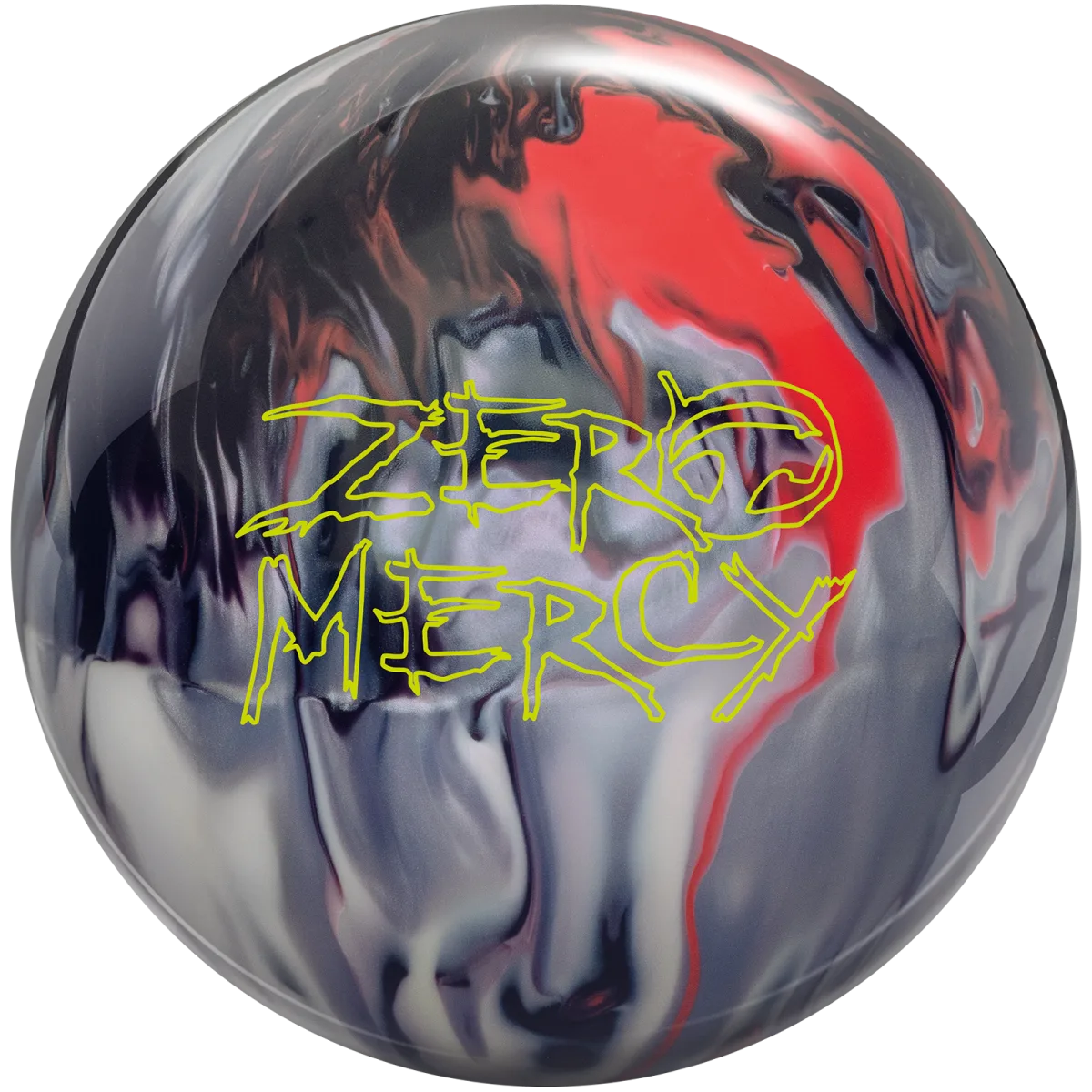
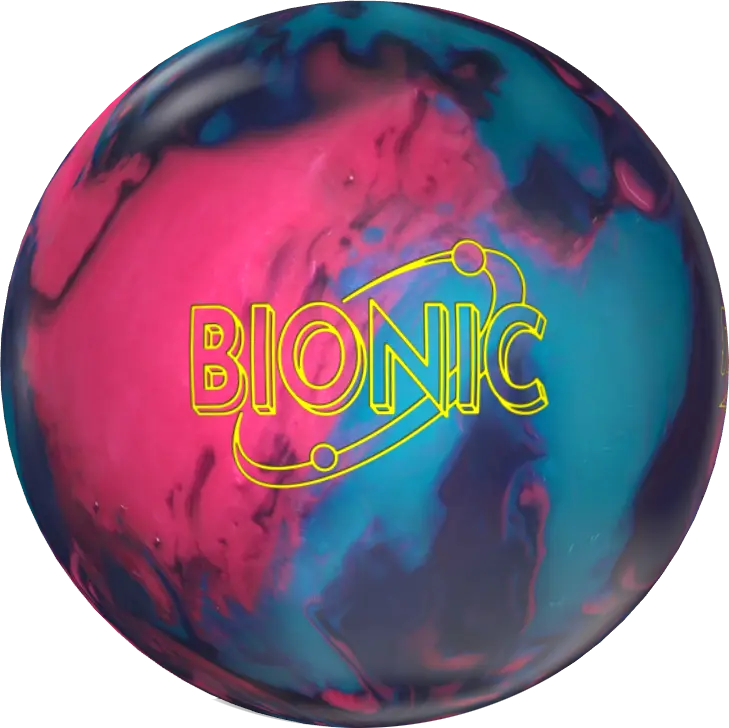
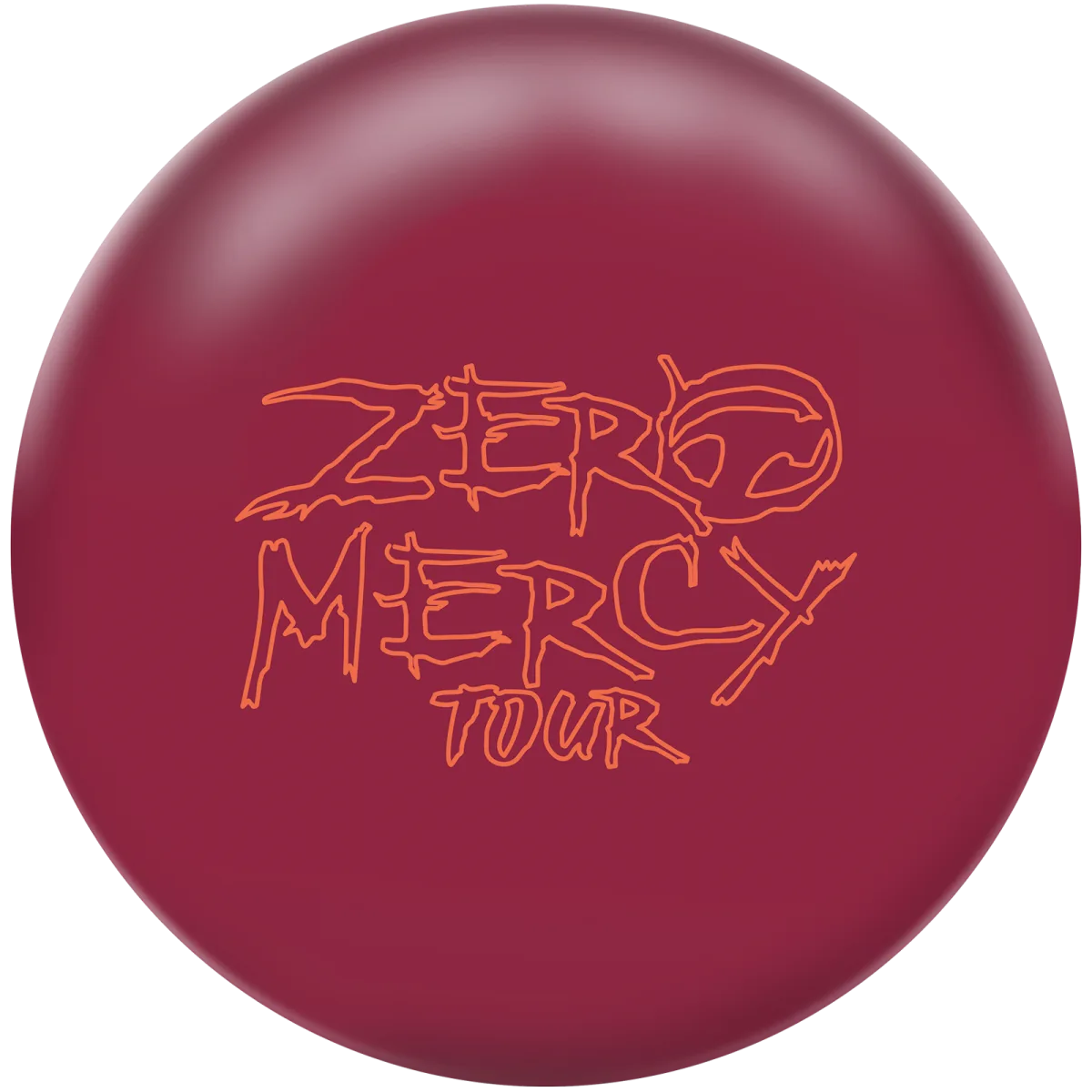
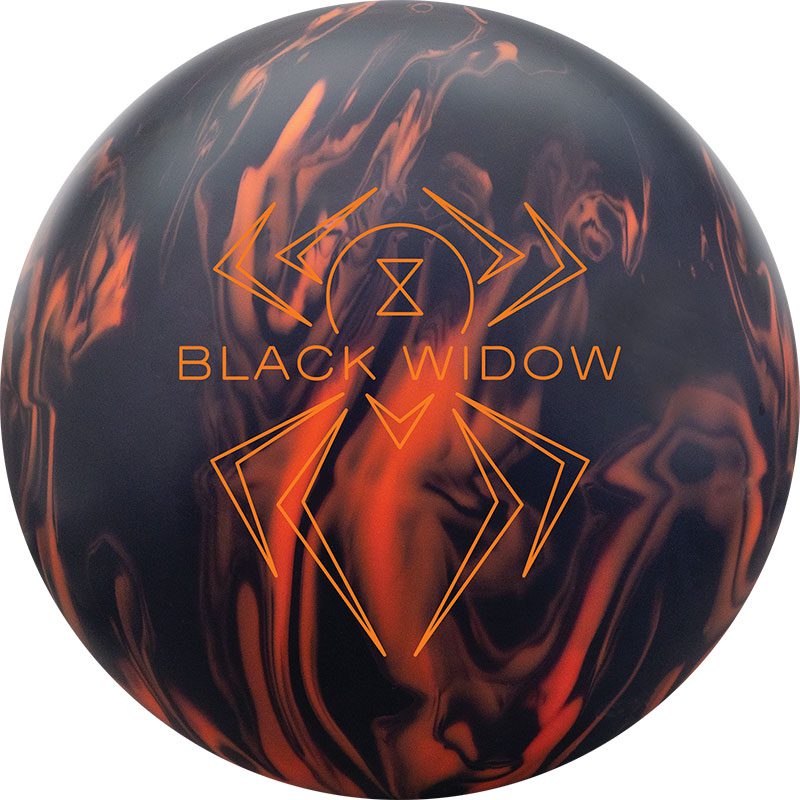
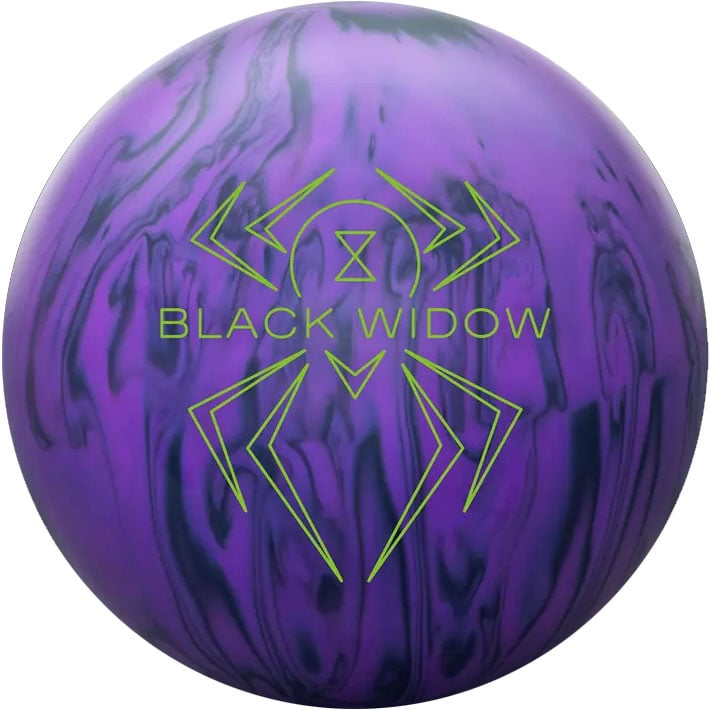
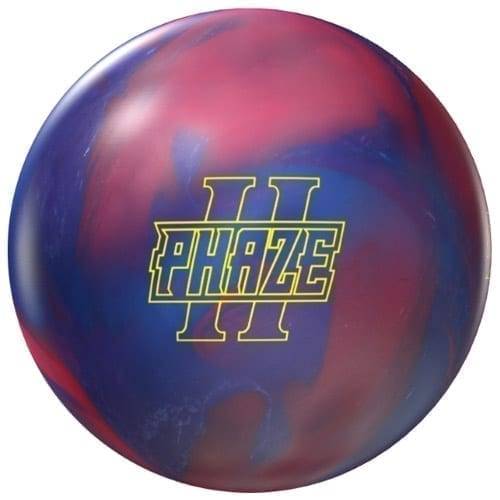
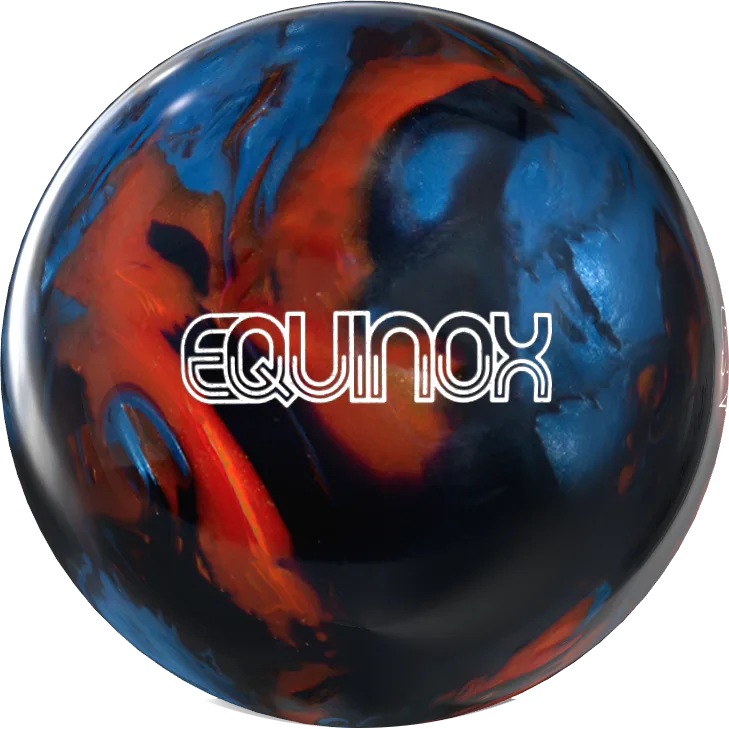
Best-selling two-handed bowling balls
Ranked by what BowlersMart customers bought in the last 30 days. Prices and stock are updated nightly.



Fit with no thumb hole
A thumb-in two-handed fit works like a standard fingertip fitting: National Bowling Academy coaching (Scott Pohl) says pitches and span work the same as for a one-handed bowler. If the fingers sit deeper in the holes with a thumb hole, the span runs a little shorter and the thumb hole sits a bit more forward.
A no-thumb fit comes down to finger depth. National Bowling Academy’s fitting video explains that two-handed bowlers release the ball later than one-handed bowlers, which is how they produce more leverage and revs. With the fingers in only to the first knuckle, the ball needs reverse pitch to stay in the hand for that later release. Going in past the first knuckle needs even more reverse pitch; get the pitches wrong at that depth and "the ball will catch the fingers and hang up," which can throw off the release, cause errant shots, and risk injury.
Either way, see Is two-handed bowling legal above for the rule behind both options: an unused drilled hole becomes an illegal balance hole, and a ball with no thumb hole needs a scribed or engraved "+" near the center of the palm, covered by the palm on delivery.
For a growing bowler, USBC Gold coach Ron Hoppe warns against moving up in ball weight just because the bowler can roll it: their ligaments are still growing, and he says injury prevention comes before chasing more weight. A pro shop is who makes these calls correctly, the same visit where your ball gets its layout (see Layouts below).
Layouts for two-handers
A no-thumb ball still gets a layout from a pro shop; it is drilled around your own release and measurements, taken at a fitting.
Our layout studio turns a no-thumb bowler’s PAP and a pin-to-center-of-grip layout into a dual angle layout: drilling angle, pin-to-PAP distance and VAL angle, for both symmetric and asymmetric cores. It also writes the same layout in Storm’s 2LS and draws it on the ball.
Our drilling layouts guide explains the layout terms a pro shop uses. Bring your own numbers from a fitting; a layout built from someone else’s numbers is built for their release, not yours.
Shooting spares two-handed
The rule is the same one covered in Is two-handed bowling legal above, applied to a spare ball: a thumb-in spare delivery can use a ball with a properly drilled, used thumb hole, same as any delivery where the thumb grips the ball. What it does not allow is a spare ball with a drilled thumb hole that goes unused on that delivery; that is an illegal balance hole, the same rule that governs your strike ball. USBC’s rulebook also confirms a two-handed bowler can throw a spare shot using only the dominant hand, without that counting as a change of delivery, as long as the dominant hand stays the same hand used on the first ball.
For the shot itself, National Bowling Academy coaching (Scott Pohl) recommends plastic for spares so a high-rev release doesn’t overreact; even plastic still hooks on the friction, more noticeably at slower ball speeds, so speeding up your footwork raises ball speed and cuts the hook. Depending on the oil, you may also need to move your starting board a little on the approach, in the direction you’re missing.
See our spare ball guide for choosing a dedicated spare ball, and our spares and pin numbers guide for which leave is which and how to target it.

Switching between one and two hands
Switching styles doesn’t reset your average. USBC’s rulebook covers a bowler who started league bowling one-handed and later moved to a two-handed approach: as long as every delivery is made with the same hand throughout, that is not a change of delivery and not a violation of Rule 108b. The one constant across both the spares rule above and this one is the same hand, used consistently, for every delivery in a game.
Advantages and challenges
Advantages
- Higher rev rate.Two hands through the swing can generate more ball rotation, which can help pin action and carry.
- Balance from both hands.Using both hands through the approach can add stability.
- No thumb-hole fit to fight.Bowling without a thumb avoids the fit and release problems a poorly fitted thumb hole causes some bowlers.
Challenges
- A real learning curve.Switching from one-handed bowling takes practice and new muscle memory; it is not an instant upgrade.
- More physically demanding.The technique can put more load on the back and legs through the approach and swing.
- Spares can be harder.Converting spares is a common challenge for two-handed bowlers; see Shooting spares two-handed above for the practical side of it.
- Equipment limitations.A no-thumb setup needs a ball drilled without a thumb hole, or one with the hole plugged, not just any ball off the shelf.
Myths and misconceptions
- "It’s cheating."USBC’s and PBA’s rulebooks both name and define the two-handed approach as its own recognized style, with its own rules on dominant hand and gripping holes (see Is two-handed bowling legal above). It isn’t a workaround, it’s a style both rulebooks account for directly.
- "The support hand adds extra spin at release."Coaches describe the opposite: the support hand’s job ends as the dominant hand delivers the ball (see The release above). The rev rate comes from the stance, grip and swing built up through the approach, not from the support hand forcing anything extra at the end.
Questions bowlers ask
Is two-handed bowling legal?
Yes. USBC’s Playing Rulebook (Rule 4f) and PBA’s Rule Book (Rule 10) both name and define the two-handed approach as its own recognized delivery style. The rule that matters most: every gripping hole drilled into the ball has to be used by the same hand.
Is two-handed bowling cheating?
No. USBC’s and PBA’s rulebooks both define the two-handed approach as a recognized style with its own rules, not an exception. It is used at the highest level of the sport, including by multiple-time PBA title winner Jason Belmonte.
Do two-handed bowlers use a thumb hole?
It varies: PBA’s rulebook says the two-handed approach can be bowled with or without the thumb on the dominant hand. A no-thumb ball needs a scribed or engraved "+" near the center of the palm, covered by the palm on delivery, in place of the thumb hole.
How do you bowl two-handed?
Both hands support the ball through the stance and approach, the swing stays controlled rather than forced, and at release the support hand’s hold ends as the dominant hand delivers the ball. See How to bowl two-handed, step by step and The release above for the full breakdown, with coaching sources.
What does each hand do at release?
The support hand’s hold ends as the swing reaches release; the dominant hand is the one imparting the force and delivering the ball, which USBC Gold coach Ron Hoppe describes as the release itself being effectively one-handed.
What ball should a two-handed bowler use?
Start with a comfortable trial ball, plastic for spares, then a pro shop fitting for your own equipment. From there, the same coverstock, core and weight considerations apply as for any bowler; see our coverstock guide, cores guide and buyer’s guide. A small number of balls, such as DV8’s Smooth Criminal and Outsider, are built around a core DV8 markets specifically for a no-thumb release.
Can you switch between one-handed and two-handed bowling?
Yes, without starting a new average, as long as every delivery is made with the same hand throughout. USBC’s rulebook confirms moving from one-handed to a two-handed approach, on its own, is not a change of delivery or a violation of Rule 108b.
How do you shoot spares two-handed?
With the same dominant hand used on your first ball; USBC’s rulebook allows that without counting as a change of delivery. A spare ball can’t carry a drilled thumb hole that goes unused, the same balance-hole rule that governs your strike ball. National Bowling Academy coaching recommends plastic for spares so a high-rev release doesn’t overreact.
How should a beginner start with two-handed bowling?
With a house ball: hold it with both hands supporting it from underneath, take a normal approach, and let the release happen as the swing reaches bottom, focusing on balance rather than power. USBC coach Stephen Padilla describes young or small beginners starting even simpler, with a foul-line push using both hands. A drilled, fitted ball and the same-hand gripping rule matter once you move to competing for score in a certified league or tournament.
What are common two-handed bowling mistakes?
Early timing powered by the shoulder instead of the leg (coach Mark Baker says this describes about 95 percent of the two-handers he first meets), a support hand that isn’t parallel to the bowling hand or is held too high, and copying another bowler’s exact style instead of building your own fundamentals. See Common mistakes above.
Sources and method
USBC Playing Rulebook, 2026-27 edition. Rule 4f (Two-Handed Techniques), Rule 108b and its Commonly Asked Questions 108b/3 through 108b/5 (dominant-hand consistency, the palm mark for a no-thumb ball, switching delivery styles), and the Bowling Ball, Holes section’s Commonly Asked Questions on thumb holes and balance holes, from USBC’s current official rulebook.
USBC Equipment Specifications and Certifications Manual. The balance-hole rule, and the definition of when USBC competition starts, used in the Fit and FAQ sections.
Videos. Embedded from the official YouTube channels of Kyle Troup, the PBA, KR Strikeforce and National Bowling Academy.
PBA Official Membership Guide & Rule Book, 2026 edition, Rev. 6/9/2026. Rule 10 (Two-Handed Techniques: delivery, approach, dominant hand, the same-hand gripping-hole requirement, and the with-or-without-thumb line), https://www.pba.com/sites/pba/files/2026-06/PBA%20RULE%20BOOK%202026_Final_6-9-26.pdf.
Coaching sources. Technique, drills, fit and mistakes are attributed by name throughout: coaches Mark Baker and Ron Hoppe, interviewed on bowl.com by Gianmarc Manzione; USBC Gold coach Bill Spigner’s own bowl.com columns; Stephen Padilla’s USBC coaching newsletter on blogs.bowl.com; and National Bowling Academy coaching pages, including drills credited to Ron Hoppe and fitting and spare-shooting videos by Scott Pohl.
Our product listings. The No Thumb core naming on DV8’s Smooth Criminal and Outsider comes from those products’ own current listings; check any other ball’s listing for how its own core is described.
Our tools and guides. The dual angle converter, drilling layouts, cores and coverstock guides, the bowling ball buyer’s guide, the spare ball guide, the spares and pin numbers guide, and the bowling terms glossary are linked where they apply rather than restated here.
Products shown. The product rail shows what bowlers have bought most from us in the last 30 days, with current prices and stock, refreshed nightly.
Next lesson
Free shipping on US orders. 60-day returns on new, unused bowling balls; see our return and exchange policy.
