

 Pay in 4 with Afterpay
 Personalized Bowling Bags
 Personalized Shammies
 Personalized Bowling Jerseys
 Shop Hammer Balls
 Shop Epic Shoes
 Shop Epic Bags
Bowling accessories
Bowling Finger Grips, Inserts and Thumb Slugs
Finger inserts, thumb slugs and bare holes explained, by brand and drill size, plus when to replace them and what USBC allows
A finger insert is a removable, textured piece seated in a finger hole to improve grip and feel. A thumb slug is a plug seated in the thumb hole, usually urethane or vinyl, chosen for its own density and feel rather than for texture. A bare drilled hole has no insert or slug at all, drilled straight into the ball’s own material. Bowlers use any of the three for feel, consistency, lift and rotation at release, and a pro shop is who drills, sizes and installs them: USBC’s rules say a plug or insert may not extend past the ball’s surface and sets a material density range for it, so a correct install matters for legality as well as fit.
Have a bowling question? Search the learning center.
Insert vs. slug vs. bare hole
| Type | Where it goes | What it does | How long it lasts |
|---|---|---|---|
| Finger insert | A finger hole. | A removable, textured piece that improves grip and feel at release. Most come as a reversible, two-sided piece, one texture per side. | Replaced regularly: our own product listings note it’s time for a fresh set once the texture feels slick or smooth. |
| Thumb slug | The thumb hole. | A plug, usually 100% urethane or vinyl, chosen for its own density and feel rather than for texture. Gives a consistent feel from top to bottom of the hole, and from one ball to the next. | Effectively permanent once installed: a thumb slug stays in the ball once installed, where finger inserts are changed regularly. |
| Bare drilled hole | Either hole. | No insert or slug at all: the hole is drilled straight into the ball’s own material. Some bowlers who grip with their fingertips skip an insert on purpose. | Nothing to replace, since there’s no insert or slug installed in the first place. |
A thumb slug can also be set up in an interchangeable sleeve system rather than glued in permanently; see Sizing and fit below.
Which combination of insert, slug or bare hole feels right is a matter of personal preference and release style; a pro shop fitting is the reliable way to try before committing to a drilled hole.
Types and textures by brand
A reversible insert gives you two textures in one piece, so you can try the other side before buying a second kind. A thumb slug’s feel comes from its own material and density, documented per product below.
| Brand and line | What it offers | Material and sizes |
|---|---|---|
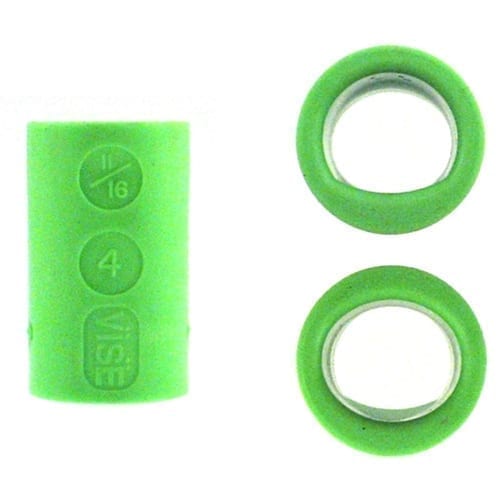
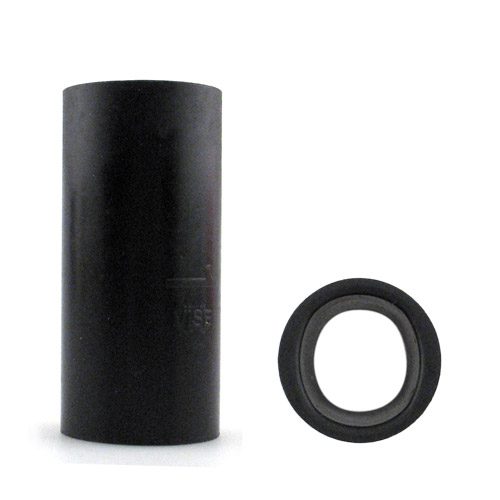
| Vise reversible inserts | Power Lift (a forward pitch for added lift), Oval (a smooth, traditional feel), Power Oval and Semi (a raised, textured surface), each paired two to a piece so you flip it to switch. | Standard 31/32" drill size; also offered in a narrower 7/8" size built for women and youth bowlers with smaller fingers. |
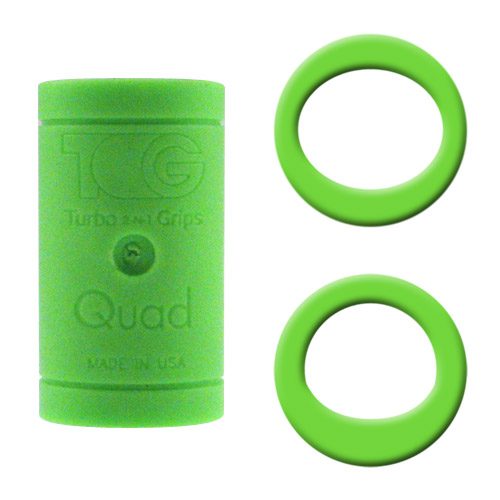
| Turbo reversible inserts | 4-N-1 Quad and Quad Classic pair Power Lift or Sof-T Power Lift with an Oval Smooth or Mesh surface; the mesh side doubles as its own wear indicator, once it smooths out, it’s telling you it’s worn. | 31/32" or 1 1/32" drill sizes. |
| JoPo reversible inserts | Power Flat and Oval, built for JoPo’s own Interchangeable Thumb System, a Flat cut on one side and a contoured Oval on the other. | 31/32" or 1 1/32" drill sizes, offered in 10 colors. |
| Vise and Turbo thumb slugs | Vise sells both a vinyl slug and a 100% urethane Easy slug; Turbo’s Urethane Duo uses two colors of 100% urethane in the same plug. | Common drill sizes 1-1/8", 1-1/4" and 1-3/8"; Vise and Turbo’s urethane slugs each carry a hardness rating of 75. |
| Ultimate thumb slugs | Easy Strike, a 100% urethane slug made to be easy to drill and easy to work out again. | Drill sizes 1-1/8", 1-1/4", 1-3/8" and 1-1/2"; hardness rating of 75. |
Each brand sets its own texture names for the same idea. Check the specific product listing rather than assuming a name means the same thing across brands.
Sizing and fit
- Standard vs. narrower sizesFinger inserts are commonly drilled at 31/32" or 1 1/32". Vise also offers its reversible inserts in a narrower 7/8" size, built for women and youth bowlers with smaller fingers.
- Thumb slug sizesThe common range across Vise, Turbo and Ultimate runs from 1-1/8" up to 1-1/2", in 1/8" steps.
- Room for a finger to swellA pro shop can drill the top portion of a finger hole slightly wider, then switch to the finishing bit for the rest, leaving a small amount of extra room, roughly a sixteenth of an inch, so an insert still fits comfortably as a finger swells during a session.
- Interchangeable thumb systemsTurbo Switch Grip works by installing an outer sleeve in the thumb hole of every ball you own, then swapping one removable inner sleeve, carrying your actual fit, between them. Vise IT, Ultimate IT and JoPo Twist are each their own interchangeable thumb system; check the specific product for how that one is set up.
A correct fit is a pro shop fitting, not a guess from a size chart: your own finger and thumb dimensions, how deep you set your grip, and whether you bowl one- or two-handed all change which size and texture actually feels right.
Best-selling grips, slugs and inserts
Ranked by what BowlersMart customers bought in the last 30 days. Prices and stock are updated nightly.




When to replace them
- Finger inserts: watch the texture, not the calendarOur own product listings are consistent on this: once an insert feels slick or smooth rather than tacky, or you find yourself squeezing harder to keep control, it’s time for a fresh set. Squeezing harder to compensate for a worn insert is itself a sign to replace it, since the extra tension works against a clean release.
- A built-in wear signalSome inserts are designed to show their own wear: Turbo’s 4-N-1 Quad uses a mesh texture on one side that doubles as a wear indicator, so once that texture smooths out, the piece is telling you it’s done.
- Thumb slugs last much longerA solid thumb slug is set once and stays for the working life of that hole; it isn’t a regular-replacement item the way a finger insert is. Reinstalling or swapping it is a pro shop job, the same as the original install.
USBC rules: plugs, inserts and gripping holes
- Material and densityUSBC’s Equipment Specifications Manual requires plug and insert material to be “like, although not the same as,” the ball’s own original material, with a density between 0.9 and 1.5 g/mL.
- Can’t extend past the surfaceA plug, insert, slug or piece of tape may not extend beyond the surface of the ball. An insert that sits proud of the surface, rather than flush with it, is out of spec.
- Removable (interchangeable) insertsA removable thumb insert, the kind used in an interchangeable sleeve system, is allowed only if it is non-metallic, locked in place during delivery, no denser than 1.5 g/mL, and never used to adjust the ball’s static balance.
- No voidsA slug used when a hole is re-drilled has to have a hole drilled completely through it, with no interior void. A removable, interchangeable device can’t be used to create a void either, the same rule that bars it from adjusting static balance.
- Gripping holesA ball may carry no more than five gripping holes, one for each finger and one for the thumb, all for the same hand, and every gripping hole that’s drilled has to be used on every delivery. A vent hole per finger or thumb hole, and one inspection mill hole, are also permitted and don’t count as gripping holes.
Working with a pro shop
Fitting and drilling for an insert or slug is a pro shop job, not a DIY project. A technician drills the hole to the size and depth your fitting calls for; for a finger insert, that can include a slightly wider top portion before switching to the finishing bit, which leaves a small amount of extra room for the fit to adjust as a finger swells during a session.
If a new insert or slug sits even slightly proud of the ball’s surface, a pro shop trims it flush, by blade or buffing wheel, matching USBC’s rule that a plug or insert can’t extend past the surface. That same visit is also when a worn insert gets swapped for a fresh one, or a slug gets reinstalled if your fit changes.
Questions bowlers ask
What’s the difference between a finger insert and a thumb slug?
A finger insert is a removable, textured piece seated in a finger hole and replaced regularly as it wears. A thumb slug is a plug in the thumb hole, usually urethane or vinyl, chosen for density and feel rather than texture, and it is effectively permanent once installed, unless it’s part of an interchangeable sleeve system.
How often should I replace my finger inserts?
By feel, not a fixed schedule: once the texture goes slick or smooth, or you notice yourself squeezing harder to keep control, it’s time for a fresh set. Some inserts, like Turbo’s 4-N-1 Quad, build in a wear indicator so the texture itself tells you when it’s done.
What drill sizes do finger inserts come in?
The common standard sizes are 31/32" and 1 1/32". Vise also offers its reversible inserts in a narrower 7/8" size, built for women and youth bowlers with smaller fingers.
What material are thumb slugs made from?
Most of ours are 100% urethane or vinyl. Vise, Turbo and Ultimate’s urethane slugs each carry a hardness rating of 75, and common drill sizes run from 1-1/8" to 1-1/2".
Can I use the same thumb fit in more than one ball?
Yes, with an interchangeable thumb system. Turbo Switch Grip works by installing an outer sleeve in each ball’s thumb hole, then swapping one removable inner sleeve, carrying your fit, between them. Vise IT, Ultimate IT and JoPo Twist are each their own interchangeable thumb system; check the specific product for how that one is set up.
Are finger inserts and thumb slugs legal in USBC competition?
Yes, within USBC’s rules: the material has to be “like, although not the same as” the ball’s own material with a density of 0.9 to 1.5 g/mL, and it can’t extend beyond the ball’s surface. A removable, interchangeable insert additionally has to be non-metallic, locked in place during delivery, never used to adjust static balance, and never used to create a void. A slug used when a hole is re-drilled has to have a hole drilled completely through it, with no interior void.
How many finger holes can a bowling ball have?
No more than five gripping holes total, one for each finger and one for the thumb, all on the same hand, and USBC requires every gripping hole that’s drilled to be used on every delivery. A vent hole per finger or thumb hole, and one inspection mill hole, are also permitted and don’t count toward that limit.
Who installs finger inserts and thumb slugs?
A pro shop. Fitting and drilling for an insert or slug is a precision job, from picking the right size and texture to drilling a finger hole with a little extra room at the top so an insert still fits as a finger swells during a session, and it’s also where a worn insert gets swapped or a slug gets reinstalled.
Sources and method
USBC Equipment Specifications Manual. The Plug and Designs section on plug and insert material density and the surface limit, the Devices section on removable thumb inserts, and the gripping-hole rule, from USBC’s current Equipment Specifications and Certifications Manual.
Our product pages. The brand, texture, material, drill size and hardness details for Vise, Turbo, JoPo and Ultimate inserts and slugs come from our own current product listings for those lines.
Products shown. The product rail shows what bowlers have bought most from us in the last 30 days, with current prices and stock, refreshed nightly.
Next lesson
Free shipping on US orders.
