

 Pay in 4 with Afterpay
 Personalized Bowling Bags
 Personalized Shammies
 Personalized Bowling Jerseys
 Shop Hammer Balls
 Shop Epic Shoes
 Shop Epic Bags
Bowling accessories
Bowling Tape, Thumb Tape and Rosin Bags
Skin tape, thumb-hole fitting tape and grip tape explained, by brand, plus rosin bags and what USBC allows
Bowling tape comes in three jobs, not one: skin protection tape sits on your thumb or finger pads to stop blisters, thumb-hole fitting tape goes inside the hole itself to tighten or loosen your fit as your thumb changes size, and grip tape is worn on the finger or thumb pad with a texture that changes how the ball releases. A rosin bag is different again: a squeeze bag that dries a sweating hand between shots. USBC’s rules say a product may be applied to your hand as long as it leaves no residue on the ball, and separately bar tape that extends past the ball’s surface and bar rosin or powder on the ball itself.
Have a bowling question? Search the learning center.
The three kinds of bowling tape
| Type | Where it goes | What it does | Examples |
|---|---|---|---|
| Skin protection tape | Applied directly to the skin, most often the back of the thumb or the finger pads. | Prevents blisters, calluses and abrasion during long sessions. It can still change fit enough to need a larger insert or a refit once it is added regularly. | Pre-cut skin patches, finger-wrap tape |
| Thumb-hole fitting tape | Applied inside the thumb hole itself, on the front (palm side) or the back. | Adjusts the hole as your thumb swells or shrinks during the night. Front (white or textured) tape adds grip and snugs the fit; back (black or smooth) tape takes up space and gives a smoother release. | Pre-cut inserts, cut-to-fit rolls |
| Grip (release) tape | Worn on the finger or thumb pad, the same spot skin tape covers. | Changes release feel: texture and colour affect how quickly the ball leaves your hand and how much hold you get first. | Textured colour-coded tape |
Check a specific product’s own listing for where it is meant to go: a thumb-hole fitting tape and a finger-pad grip tape are not interchangeable unless that product says so.
Most committed bowlers carry at least two of the three: a skin tape for comfort over a long session, and a fitting or grip tape to manage how the ball feels coming off the hand.
How to apply thumb-hole and finger tape
Fitting tape in the thumb hole, front and back
Tape placement inside the hole can go front, back, or side to side. One method: put the first strip on the front of the hole, roughly where the pad of your thumb presses, then set a second strip directly across it on the back. From there, strips can be layered on top of an existing piece or set beside it to the left or right, whichever gets the fit right.
- White or textured tape, frontA common choice for the front of the hole: adds grip and snugs the fit where your thumb needs the most hold.
- Black or smooth tape, backA common choice for the back: takes up space and gives a smoother release, without adding extra grip.
- Build up graduallyAdd one layer, test the fit, then add another rather than guessing at the full stack up front.
Applying tape like a pro shop tech
- Clean and dry the skin or the inside of the thumb hole with a microfiber towel first. Lotion, sweat or oil residue stops adhesive from holding.
- Lay the tape flat and press it down for 5 to 10 seconds rather than stretching it on. Tape applied under tension tends to peel from the edges first.
- For thumb-hole tape, press it to follow the curve of the hole. A bubble or wrinkle changes the feel of the fit from one shot to the next.
- Replace a strip as soon as the edge starts lifting rather than bowling on a half-stuck piece, which shifts fit and feel mid-game.
Taping a finger or thumb directly
Some bowlers tape the finger or thumb itself, not just the inside of a hole, usually to stop the same spot cutting open over a long session or high game count. Cut the tape into small pieces sized to the area you are covering rather than wrapping a full strip around the whole finger, and press each piece down firmly so it does not roll up during the swing.
Expect to size up. Adding tape to a finger or thumb takes up room inside the grip. It is common to need a larger insert size once you start taping regularly; how much larger depends on how many layers you use and your own fit, so a pro shop fitting is the reliable way to confirm the right size rather than guessing.
Whichever method you use, test the fit by inserting your thumb and mimicking your approach before you bowl with it: snug without being tight is the target, and it is easier to add a layer than to peel one off mid-session.
Choosing a tape: texture, thickness and colour
Texture and thickness are the two things that actually change how a tape feels and performs. A smoother tape releases faster with less hold; a more textured tape grips longer and releases slower. Thicker tape takes up more room in the hole, which matters for fit as much as for feel.
| Brand and line | Scale | What it means |
|---|---|---|
| Vise Hada Patch | #1 Blue, #1A Orange, #2 Red, #3 Aqua, #4 Grey | Fastest to slowest release, in that order: #1 Blue is the fastest release, #4 Grey the slowest. |
| Storm Max Pro Thumb Tape | Teal, Blue, Red | Teal is the fastest release (thinnest), Blue is medium (balanced grip and speed), Red is the slowest (thickest, most grip). |
| Turbo Grip Strips | White, Black, Silver | White textured tape adds grip and tightens the fit. Black smooth tape gives a quicker, cleaner release and, like any back tape, takes up room in the thumb hole. Silver, semi-textured, sits between the two. |
Each brand sets its own scale and its own colours. Vise’s Blue is its fastest release; Storm uses Blue for a medium release and Teal for its fastest. Check the specific brand and line you are holding rather than assuming a colour means the same thing across brands.
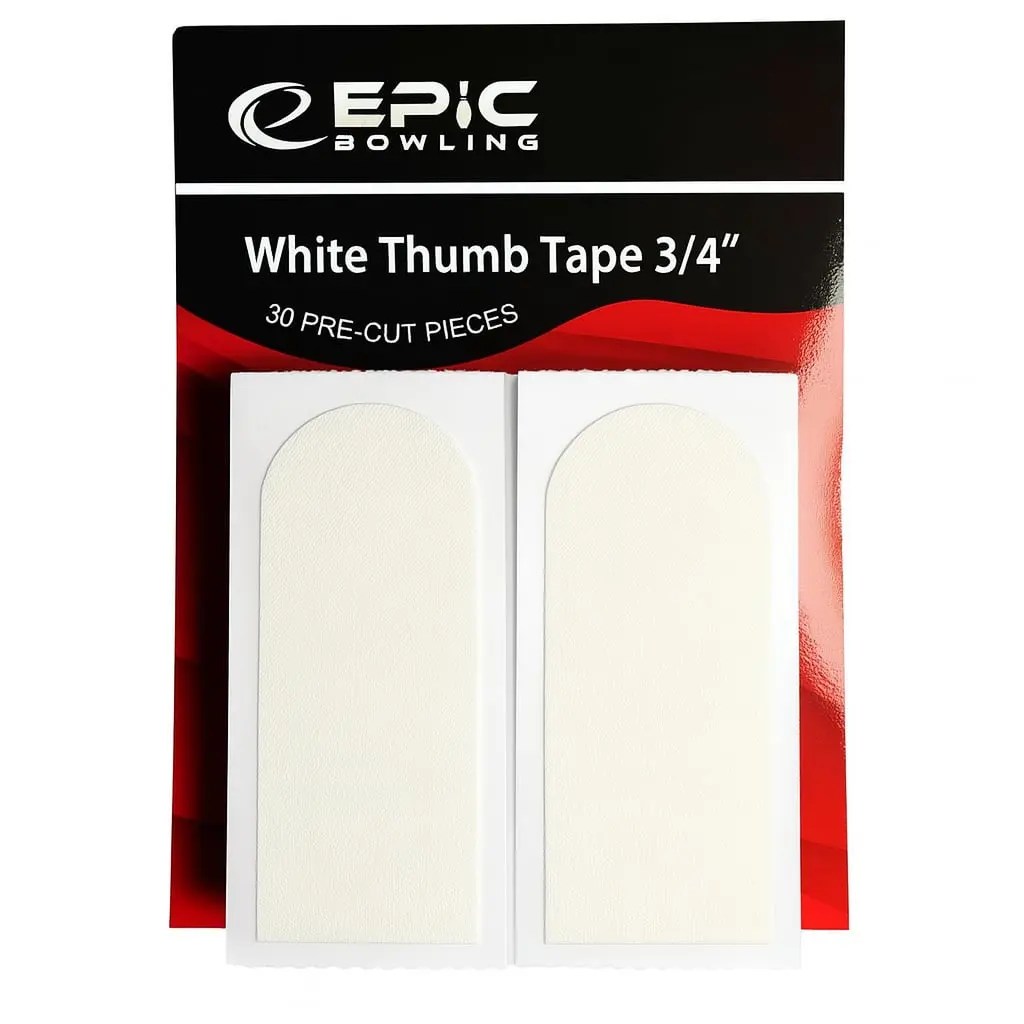
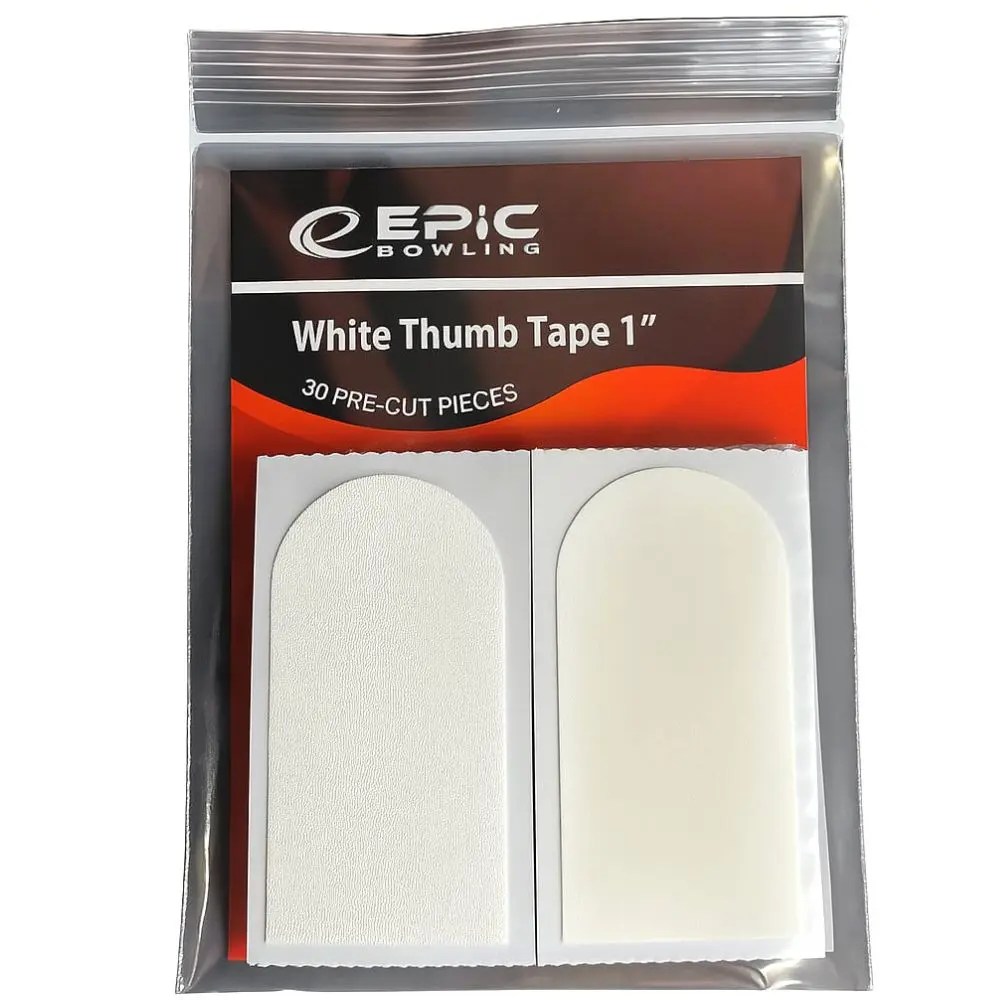
Width and piece count vary by brand and line. Vise’s Hada Patch comes in pre-cut packs of 60 pieces at 1/2 inch, 50 pieces at 3/4 inch, and 40 pieces at 1 inch. Storm’s Max Pro Thumb Tape ships in 40-piece pre-cut packs, one per release speed. Turbo’s Grip Strips come in 1 inch, 30-count pre-cut packs. Check a specific product’s own listing for its width and piece count rather than assuming one size fits every hole.
Best-selling bowling tape and bandages
Ranked by what BowlersMart customers bought in the last 30 days. Prices and stock are updated nightly.


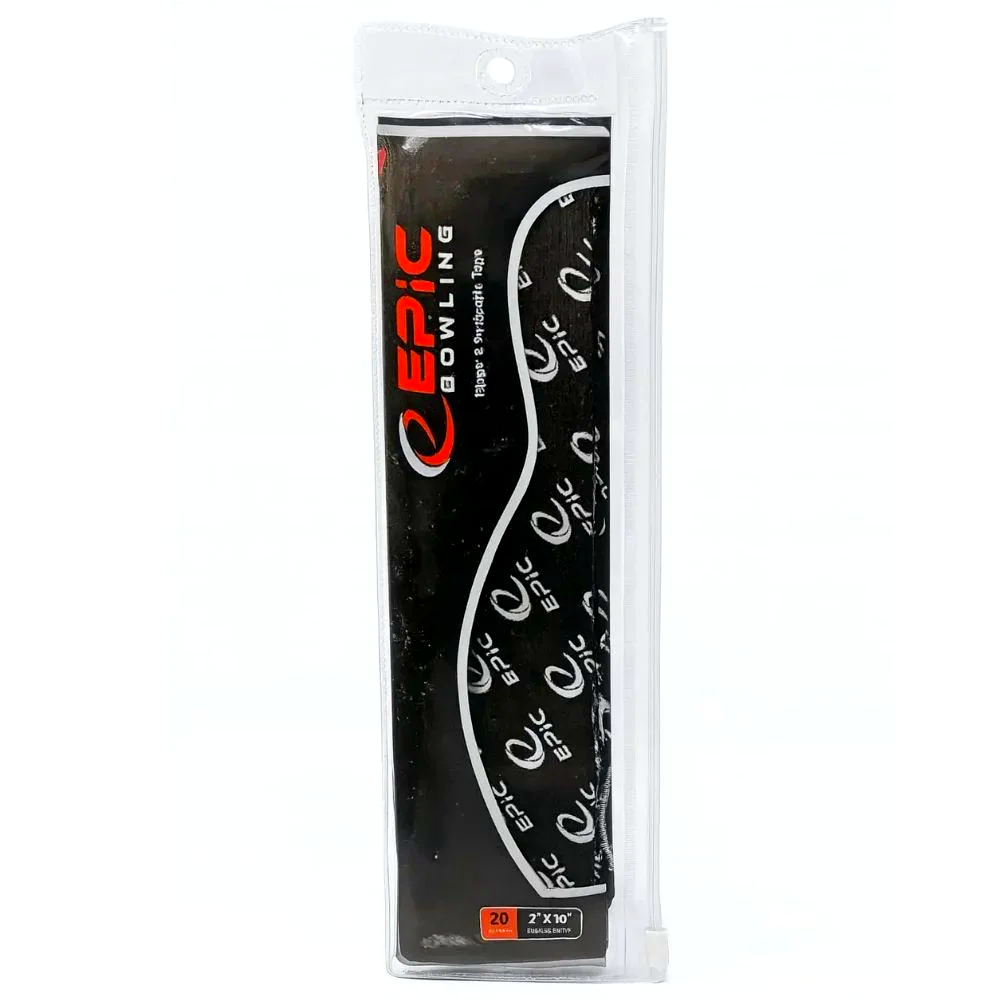




Rosin bags and grip sacks
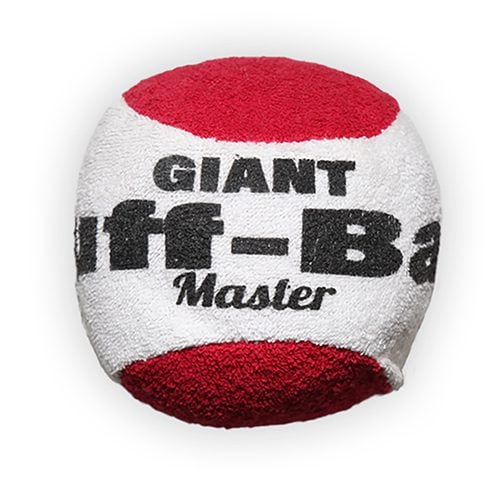
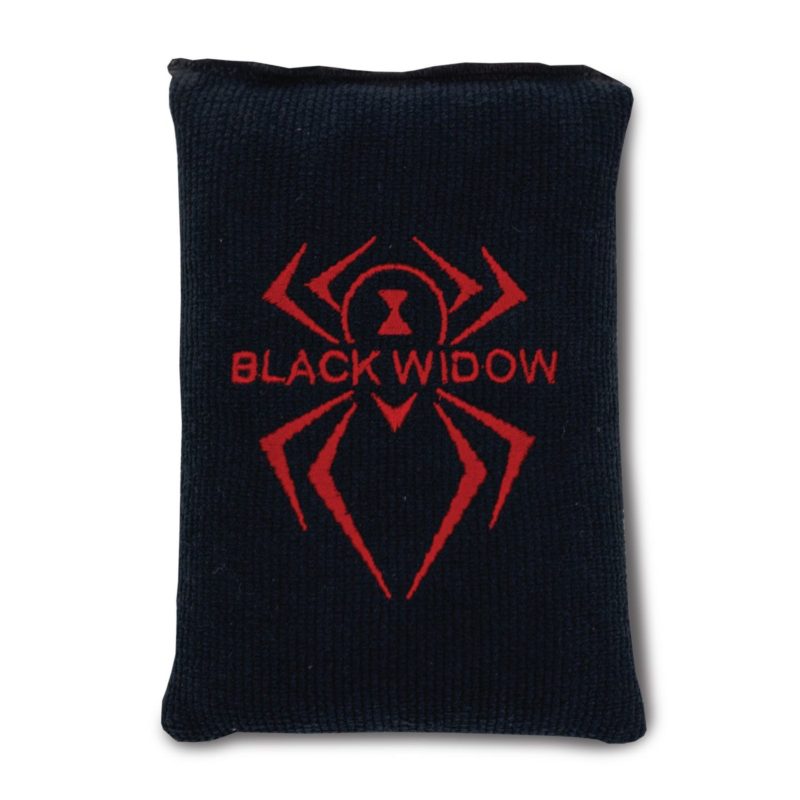
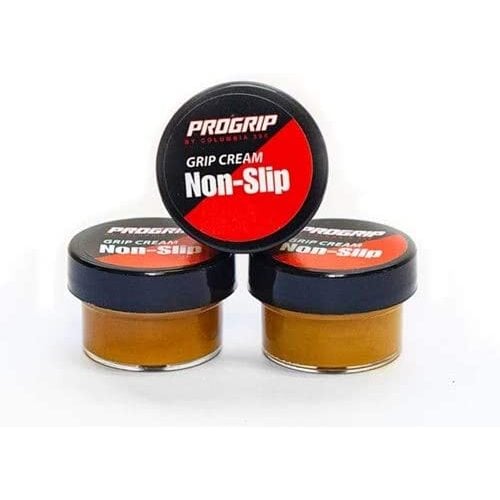
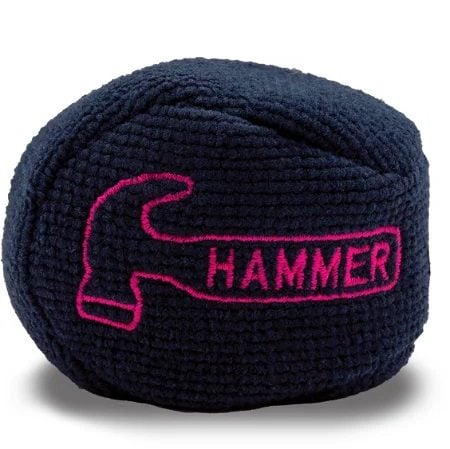
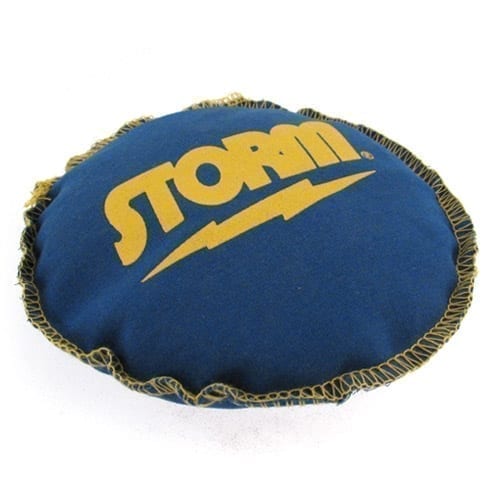
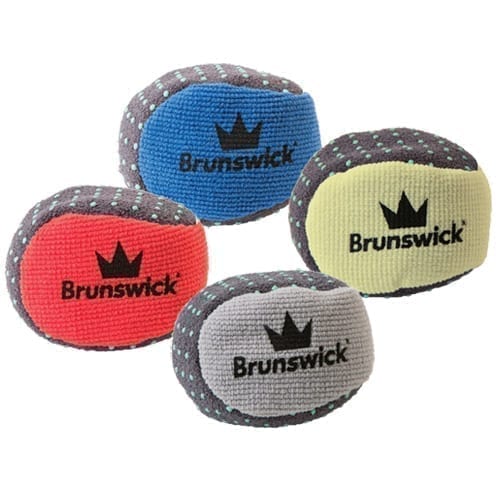
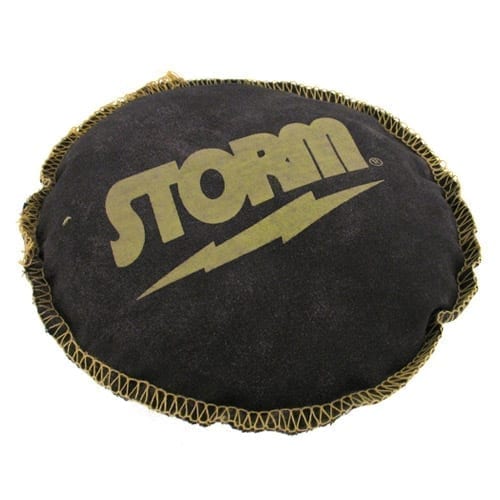
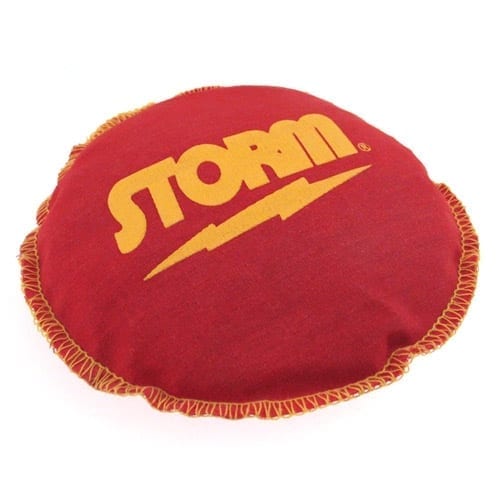
A rosin bag, sometimes called a grip sack, is a small cloth pouch filled with grip powder. Squeeze it and a light dusting of powder comes through the fabric onto your hand, helping keep it dry so your grip, and your release, stays the same from one shot to the next.
- Squeeze lightly, not hardA light squeeze puts a thin, even layer of powder on your hand. Gripping it hard coats your hand more heavily than most bowlers want, which can change how the ball comes off your fingers.
- Use it between shots, not duringKeep it in the ball return tray or your bag pocket and reach for it when your hand starts to feel slick, not as a fixed habit every shot.
- It dries the hand, not the ballA grip sack is for your hand. Keep it off the ball itself; see the USBC rules below for why.
Best-selling grip sacks and rosin bags
Ranked by what BowlersMart customers bought in the last 30 days. Prices and stock are updated nightly.


USBC rules: what’s allowed on tape and rosin
- No foreign material on the ballUSBC Rule 18(c) bans any foreign material on the ball, naming powder and rosin specifically alongside marker and paint. A ball found carrying any of them is removed from competition.
- Tape and inserts can’t extend past the ball’s surfaceUSBC’s Equipment Specifications Manual says plugs, inserts, slugs and tape may not extend beyond the surface of the ball. Thumb-hole tape has to sit inside the hole, not proud of it.
- A product can go on your hand, but not onto the ballUSBC’s rulebook states that a product may be applied to the bowler’s hand but must leave no residue on the ball.
Skin and fitting tape are not foreign material on the ball. Rule 18(c)’s foreign-material ban targets substances and material added to the ball itself, powder, rosin, marker and paint. Tape used the normal way, inside the thumb hole or on your hand, is a different thing from those; the limit on tape is that it cannot extend past the ball’s surface.
Questions bowlers ask
What does thumb tape do?
Thumb-hole fitting tape goes inside the hole to adjust your fit as your thumb swells or shrinks during a session; front (white or textured) tape adds grip and snugs the fit, back (black or smooth) tape takes up space for a smoother release. A separate kind, skin protection tape, sits on the thumb itself to prevent blisters, though adding it regularly can still mean sizing up to a larger insert.
How do I tape my fingers for bowling?
Clean and dry the finger first, cut the tape to the size of the area you want covered rather than wrapping a full strip around the whole finger, and press it down firmly without stretching it. Replace it as soon as an edge starts lifting. Expect to need a slightly larger insert size once you start taping regularly.
Is bowling tape allowed in competition?
Yes. USBC’s rules limit tape to staying inside the ball’s surface, not bar it outright: tape, like any plug or insert, may not extend beyond the ball’s surface. Ordinary skin and fitting tape, applied the normal way, is not the foreign material Rule 18(c) targets.
What’s the difference between bowling tape colours?
It depends on the brand. Vise’s Hada Patch scale runs Blue (fastest release) to Grey (slowest). Storm’s Max Pro scale uses Teal for fastest, Blue for medium and Red for slowest. Turbo’s Grip Strips use White for more grip and a tighter fit, Black for a quicker, cleaner release while taking up room in the thumb hole, and Silver in between. Check the specific brand before assuming what a colour means.
Is rosin or powder allowed on my bowling ball?
No. USBC Rule 18(c) bans any foreign material on the ball, naming powder and rosin by name, and a ball found carrying either is removed from competition. A rosin bag is meant for your hand, not the ball.
What does a rosin bag do for bowlers?
A rosin bag, or grip sack, is a cloth pouch filled with grip powder. Squeezing it lightly puts a thin layer of powder on your hand to fight sweat and dry skin, so your grip stays consistent from shot to shot.
How often should I replace bowling tape?
Replace a piece as soon as its edge starts lifting rather than bowling on a half-stuck strip, which shifts your fit and feel mid-game. A tournament bag is the place to keep spares on hand rather than finding out mid-block that a piece has failed.
Do I need a bigger insert size once I start taping?
Often, yes. Tape takes up room inside the hole, so many bowlers need to go up an insert size once they add tape regularly. How much depends on how many layers you use and your own fit, so a pro shop fitting is the reliable way to confirm the right size.
Sources and method
USBC Playing Rulebook and Equipment Specifications Manual. Rule 18(c) on foreign material, the Equipment Specifications Manual’s Plug and Designs section on tape and inserts not extending beyond the ball’s surface, and FAQ 18/3 on products applied to the hand, from USBC’s current official rulebook and equipment manual, on bowl.com.
Our product pages. The colour and texture guides for Vise Hada Patch, Storm Max Pro Thumb Tape and Turbo Grip Strips, and what a rosin bag or grip sack does, come from our own current product pages for those lines.
Products shown. The product rows show what bowlers have bought most from us in the last 30 days, with current prices and stock, refreshed nightly.
Next lesson
Free shipping on US orders.
