

 Pay in 4 with Afterpay
 Personalized Bowling Bags
 Personalized Shammies
 Personalized Bowling Jerseys
 Shop Hammer Balls
 Shop Epic Shoes
 Shop Epic Bags
Bowling ball coverstocks
Bowling Ball Coverstocks
Plastic, urethane, solid, pearl and hybrid reactive: what each does on the lane and which one to buy
The coverstock is the outer shell of a bowling ball, and it decides how much the ball grips the lane. Plastic barely grips and rolls straight. Urethane grips a little for a smooth, early arc. Reactive resin grips the most and comes three ways: solid hooks earliest, pearl goes longest and turns hardest, hybrid sits between. Match the cover to the oil you bowl on, not to the price tag.
Not sure? Take the Ball FinderUpdated November 6, 2026
Have a bowling question? Search the learning center.
Which coverstock is right for you
Pick the cover for the oil you bowl on most. Price follows hook strength, and more hook is not better on a dry lane.
| Coverstock | Hook | Best for | Lane conditions |
|---|---|---|---|
| Plastic | None, rolls straight | First ball, spare shooting, casual bowlers | Any; the oil does not matter |
| Urethane | Smooth, early arc | Control players, sport patterns, burnt-up lanes | Light to medium oil, short patterns |
| Solid reactive | Strong, reads early | Fresh oil, slower speeds, lower rev rates | Medium to heavy oil |
| Pearl reactive | Long skid, sharp backend | Faster speeds, higher rev rates, when the lanes break down | Light to medium oil |
| Hybrid reactive | Between solid and pearl | One ball for most league nights | Medium oil, the house shot |
Plastic (polyester) coverstocks
The spare ball every league bowler carries, and the easiest first ball
- Hook
- None, rolls straight
- Surface
- Hard, non-porous polyester
- Oil
- Does not absorb it, so any lane
- Price
- The least expensive cover
Polyester is hard and smooth, so it creates almost no friction with the lane. The ball goes where you aim it, on fresh oil or dry boards, which is why experienced bowlers keep one for single-pin spares and why new bowlers learn fastest on it. It is also the most durable cover and needs the least care.
Choose plastic if: you are buying your first ball, you bowl a few times a year, or you want a dedicated spare ball that reacts the same way every time.
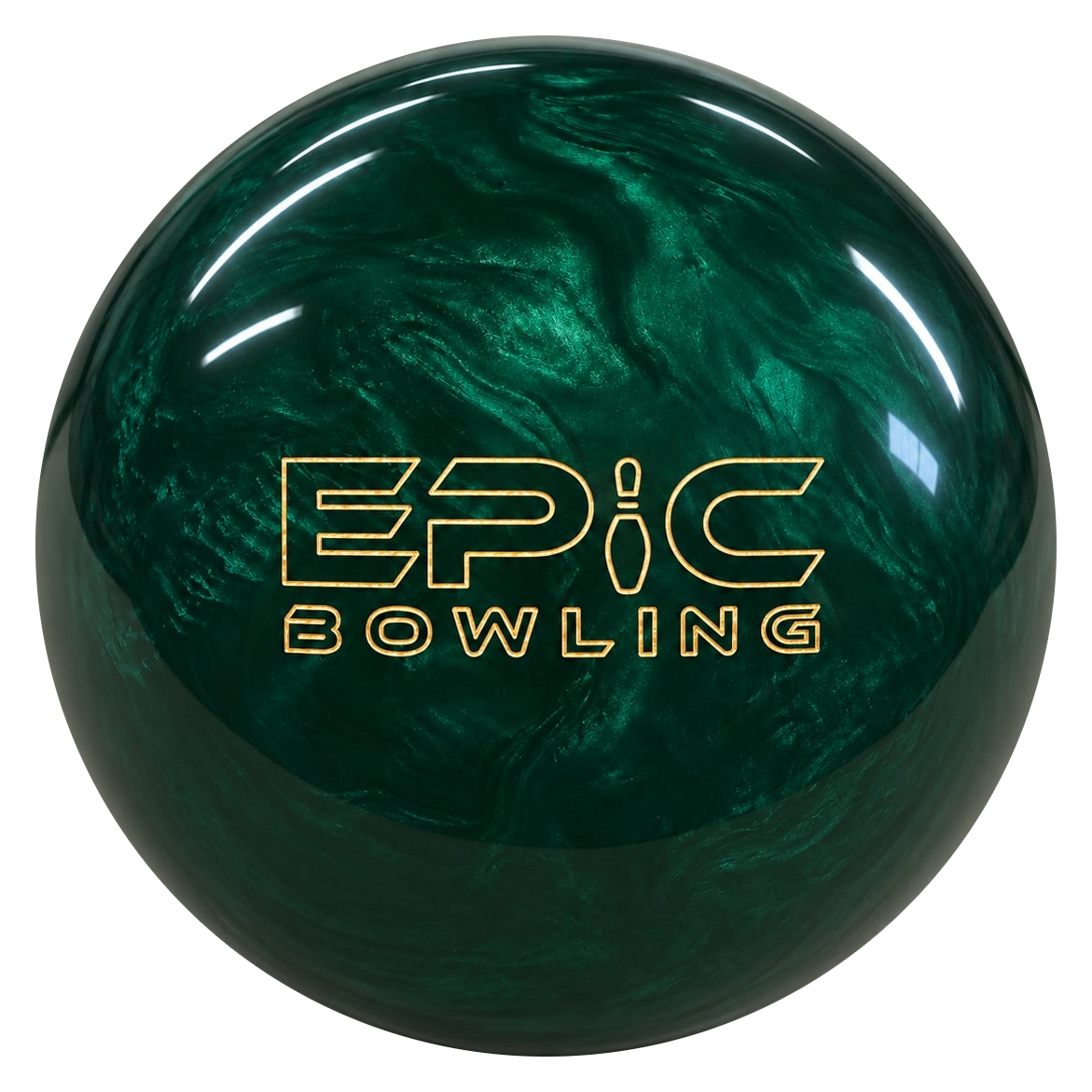
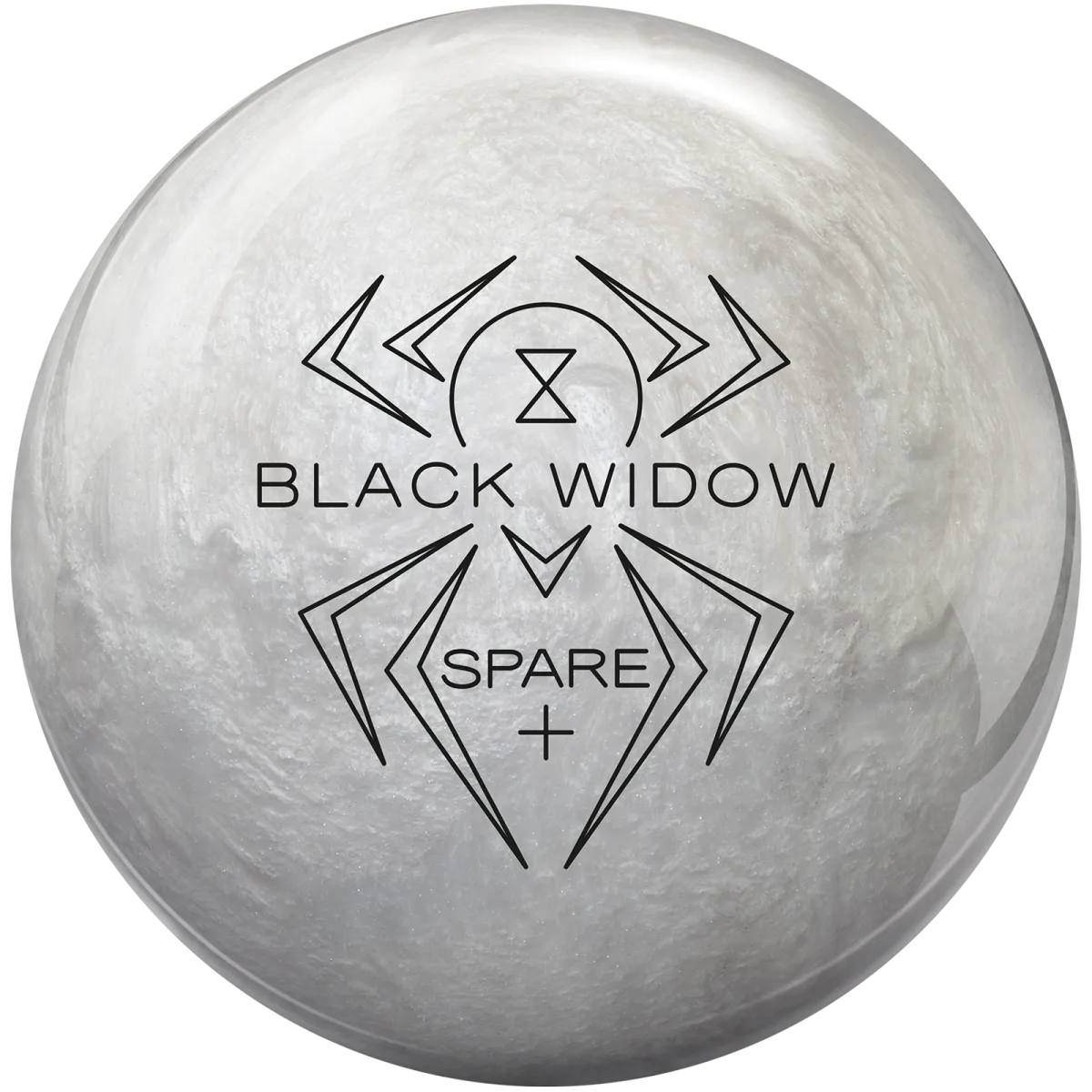
Best-selling plastic balls right now
Ranked by what BowlersMart customers bought in the last 30 days. Prices and stock are updated nightly.


Urethane coverstocks
A smooth, predictable arc, back in fashion for sport patterns and broken-down lanes
- Hook
- Smooth, early, controlled
- Surface
- Softer than plastic, duller than reactive
- Oil
- Light to medium; short and sport patterns
- Price
- Between plastic and reactive
Urethane grips the lane more than plastic but far less than reactive resin, so it reads early and turns gradually instead of snapping at the breakpoint. That makes it the most forgiving cover when the lanes dry out or when a reactive ball hooks too much. Urethane went quiet after reactive resin arrived in the early 1990s and came back for sport patterns and two-handed bowlers who need to tame their hook. Storm Pitch Black and Hammer Purple Pearl Urethane are the common modern examples.
Choose urethane if: your reactive balls over-hook on your house shot, you bowl sport or short patterns, or you want a benchmark ball that shows you what the lane is doing.
Best-selling urethane balls right now
Ranked by what BowlersMart customers bought in the last 30 days. Prices and stock are updated nightly.


Reactive resin coverstocks
The modern standard: every mid and high performance ball wears one
Reactive resin is urethane with additives that make the surface tacky, so the ball grips the dry part of the lane hard and stores energy through the oil. That is what produces the strong backend motion modern bowling is built on. Three formulations change when and how hard it hooks: solid, pearl and hybrid. They are variants of one cover type, and most arsenals carry one of each.
Solid reactive
The earliest, smoothest hook; the most traction in oil
- Hook
- Strong, reads early
- Surface
- Dull, porous, often sanded
- Oil
- Medium to heavy, fresh patterns
- Who
- Slower speeds, lower rev rates, heavy oil
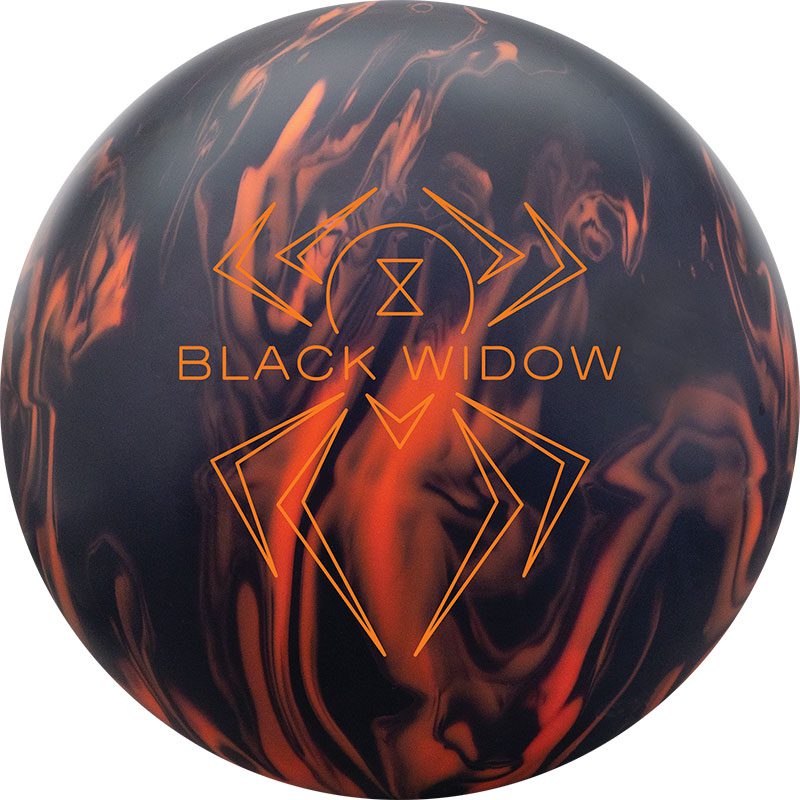
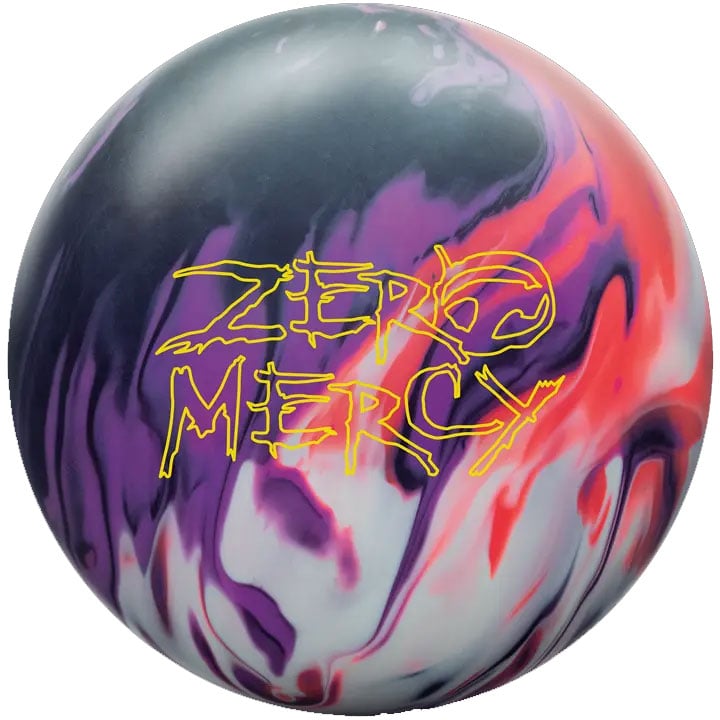
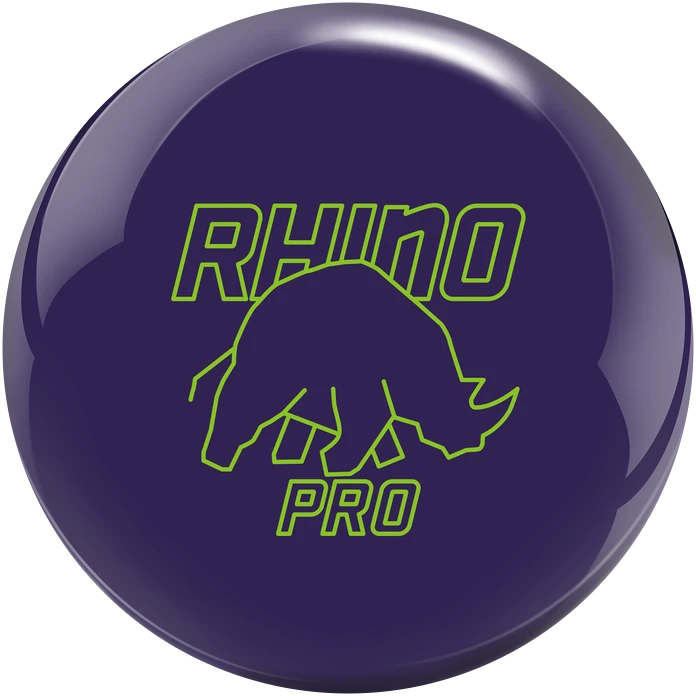
A solid cover has the most pores at the surface, so it grips the lane sooner and keeps a steady, continuous motion through the pins. It is the ball you start a set with on fresh oil and the ball slower-speed or lower-rev bowlers reach for when a pearl skids too far.
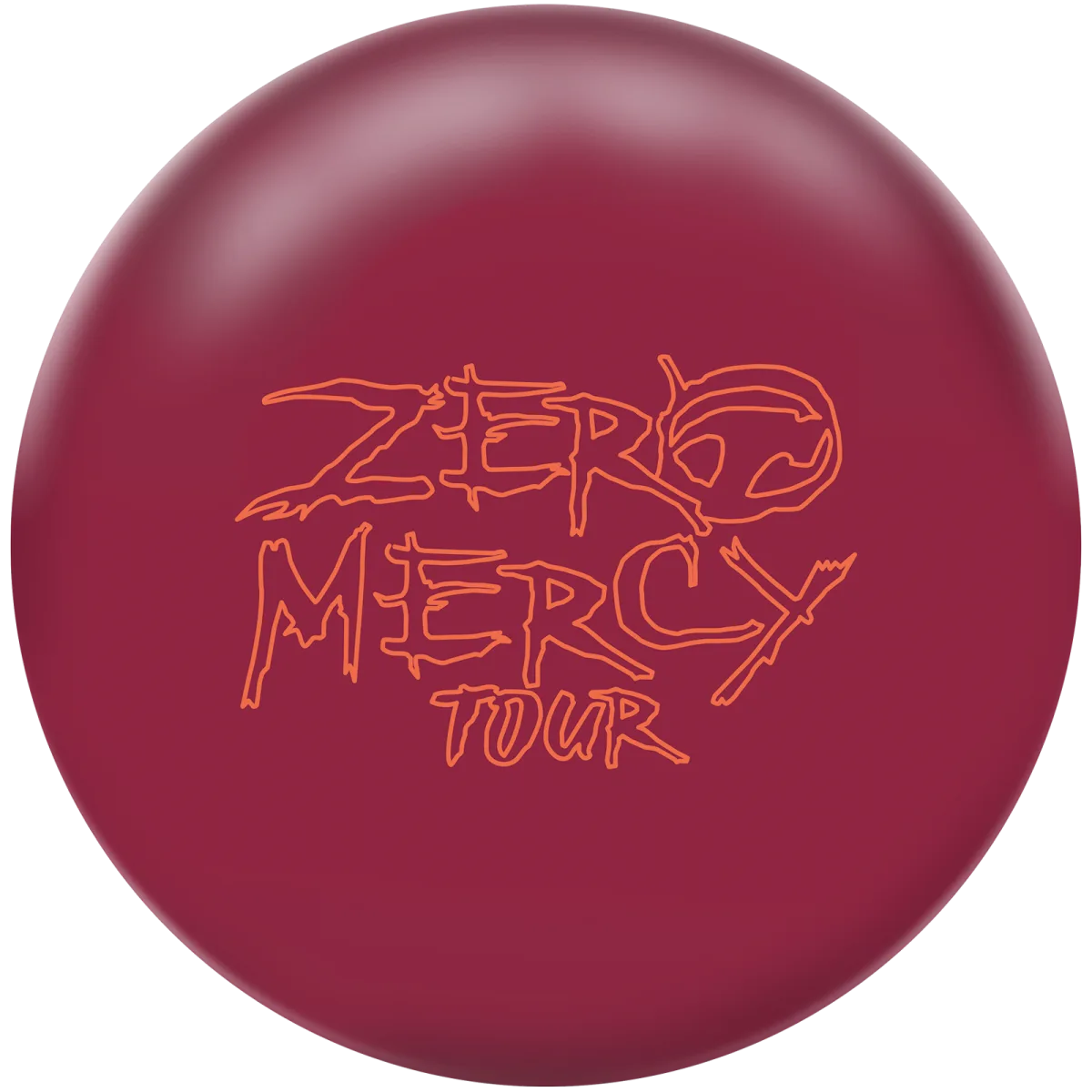
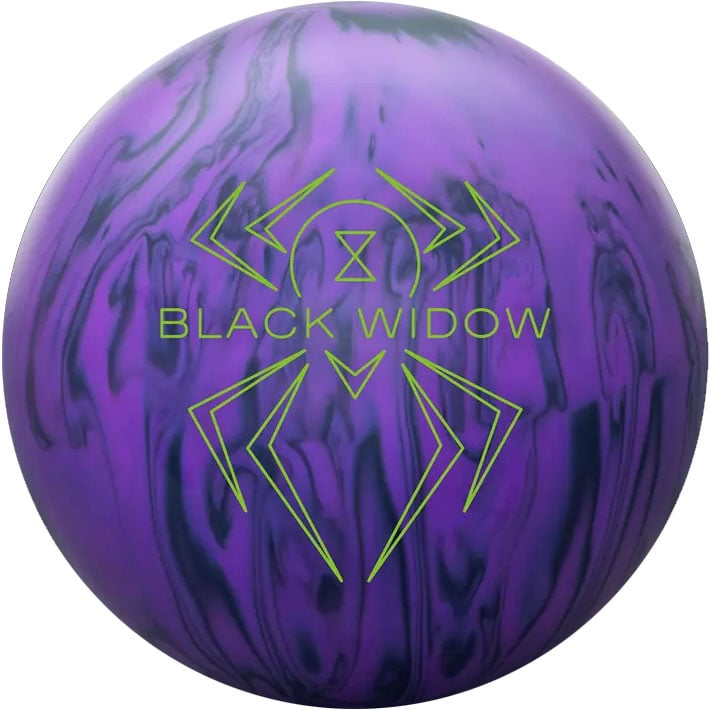
Best-selling solid reactive balls right now
Ranked by what BowlersMart customers bought in the last 30 days. Prices and stock are updated nightly.




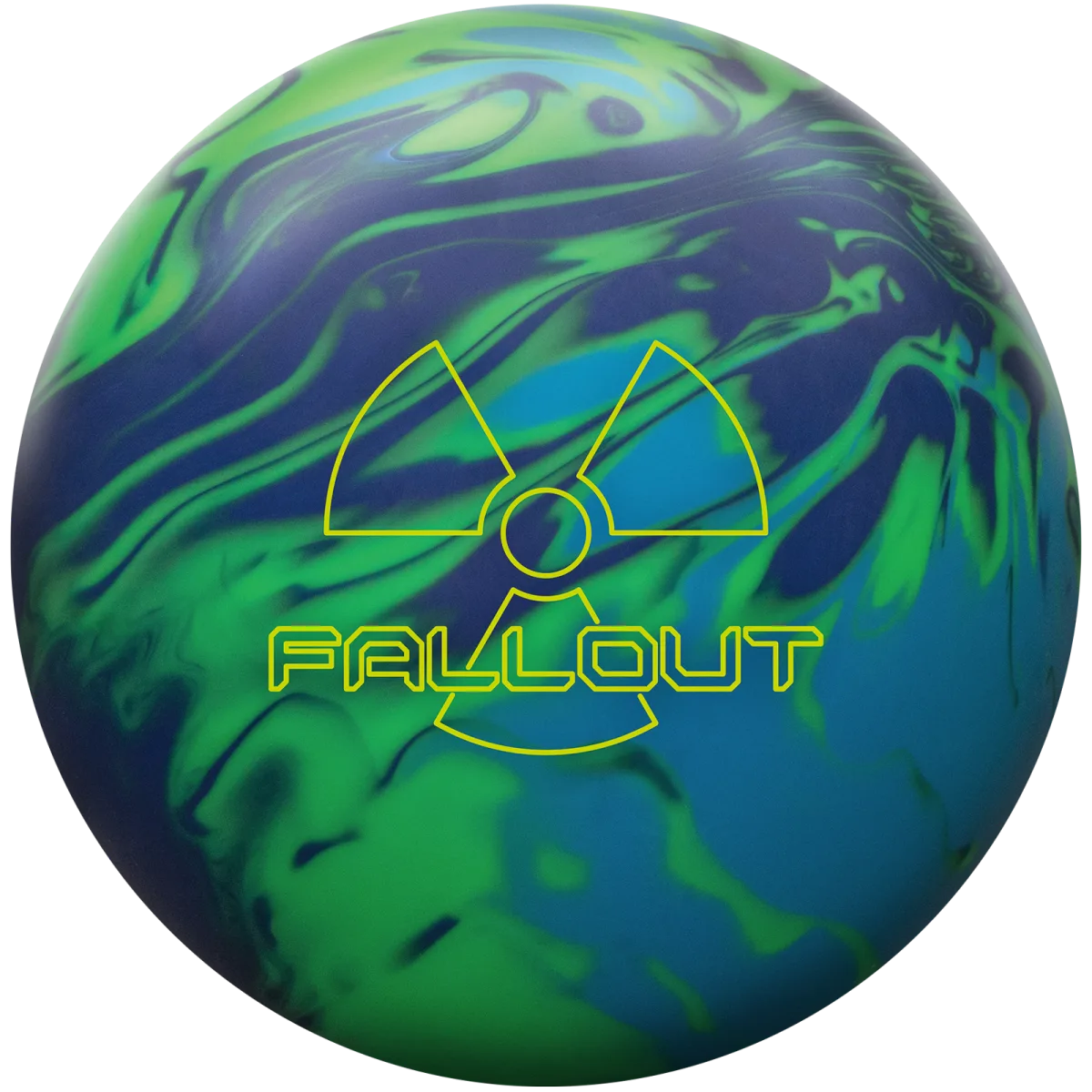
Pearl reactive
The longest skid and the sharpest backend
- Hook
- Late, angular, fast
- Surface
- Mica added, shiny, usually polished
- Oil
- Light to medium, broken-down lanes
- Who
- Faster speeds, higher rev rates, when the lanes dry
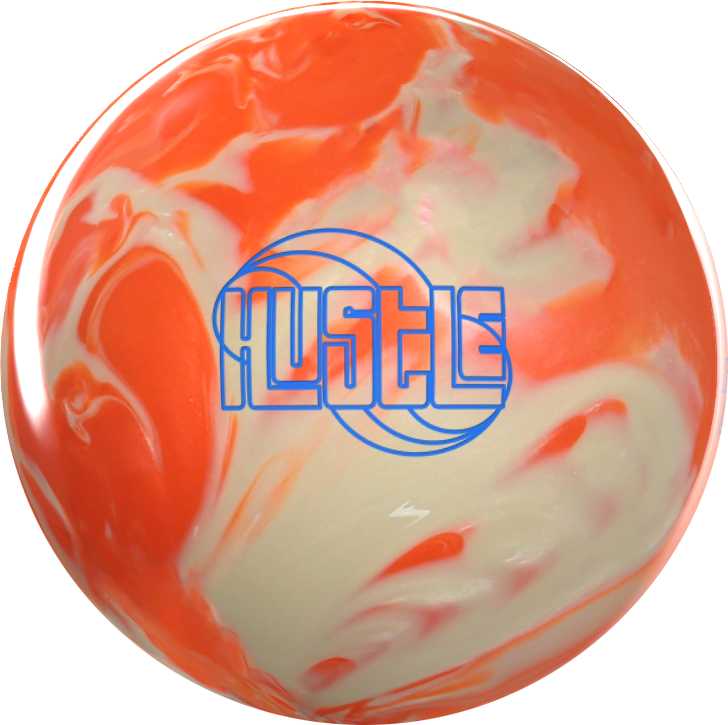
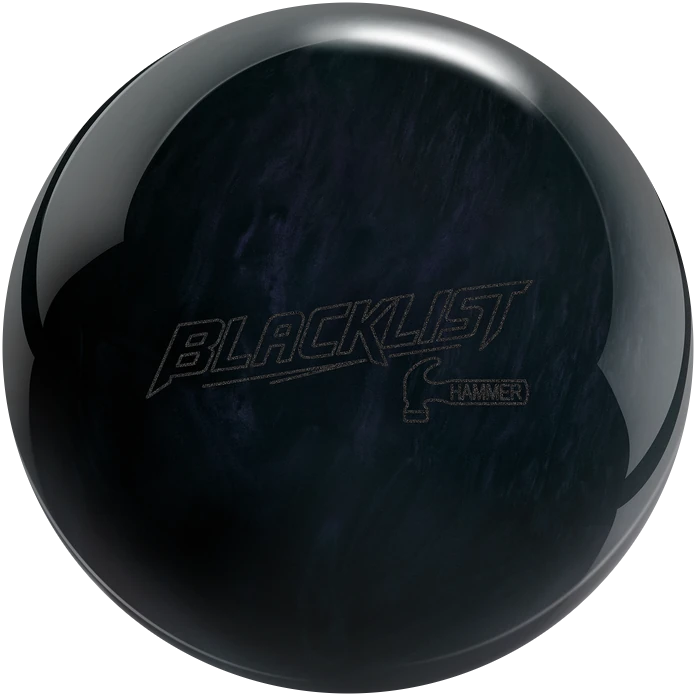
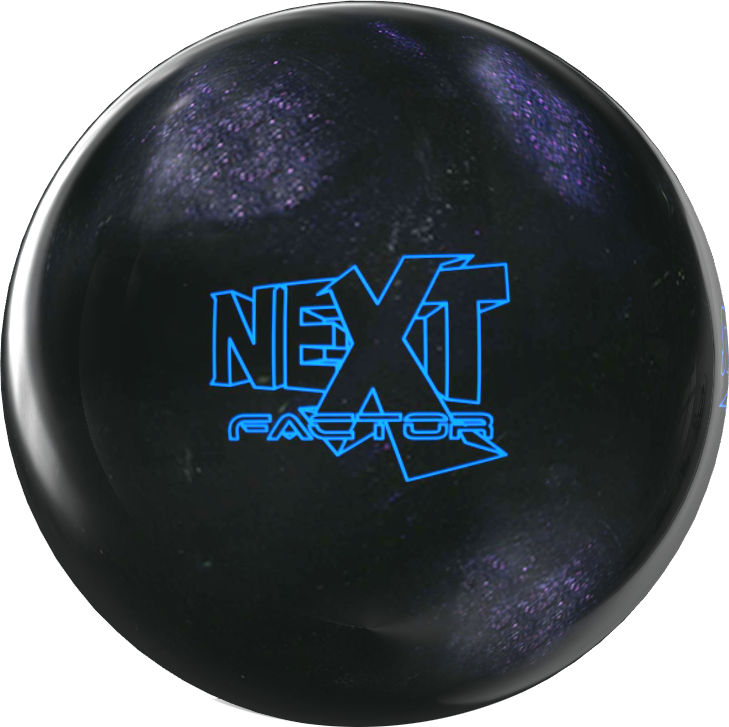
Mica particles in a pearl cover make it slicker through the front of the lane, so it saves its energy and turns hard once it reaches the dry boards. That is the ball for the second and third game when the oil has moved, and for bowlers with enough speed or revs to make it finish.
Best-selling pearl reactive balls right now
Ranked by what BowlersMart customers bought in the last 30 days. Prices and stock are updated nightly.


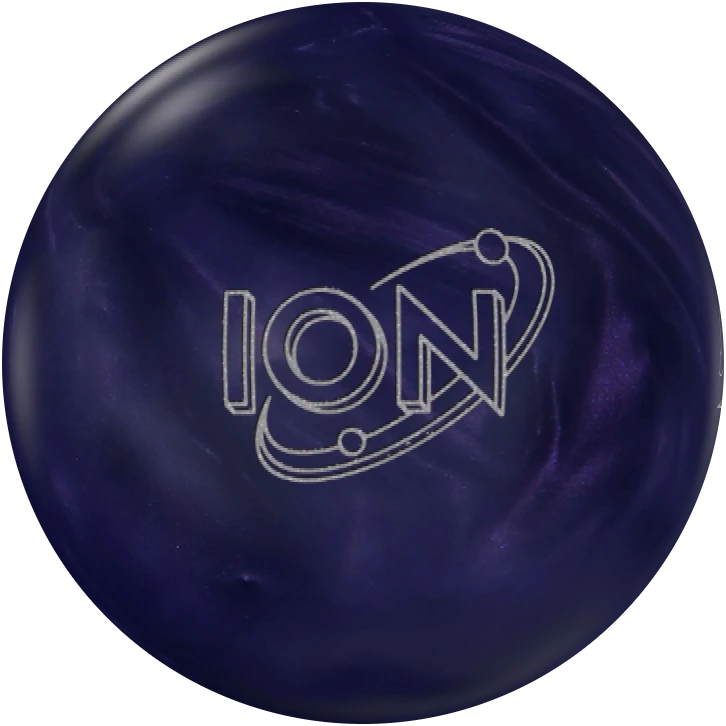

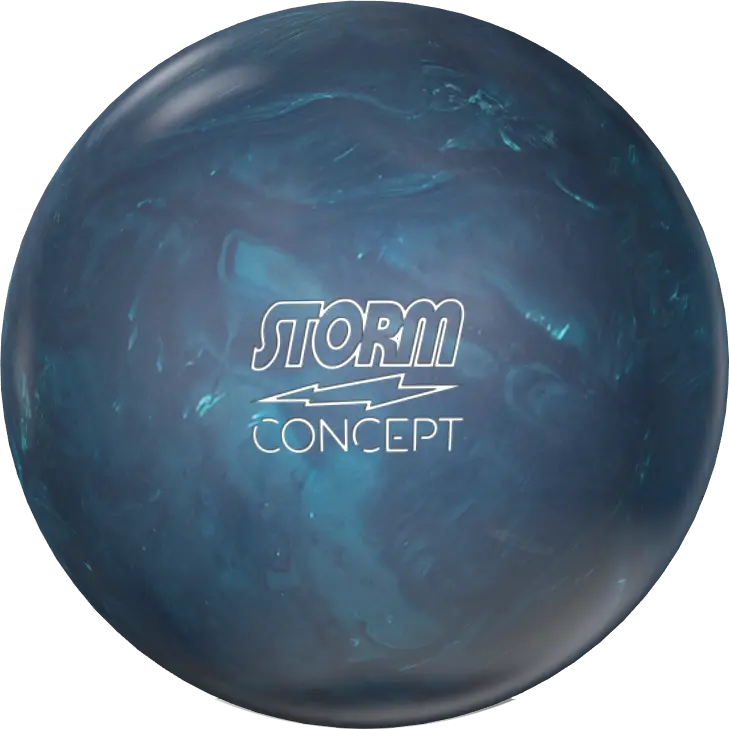

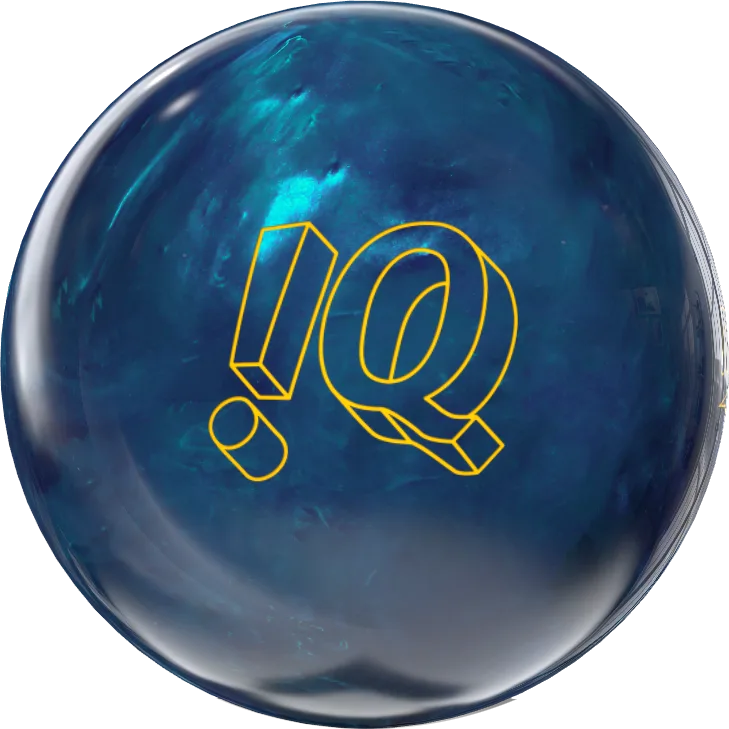


Hybrid reactive
Solid traction in the midlane, pearl recovery on the backend
- Hook
- Between solid and pearl
- Surface
- Solid and pearl resin blended
- Oil
- Medium, the typical house shot
- Who
- One ball for most league nights
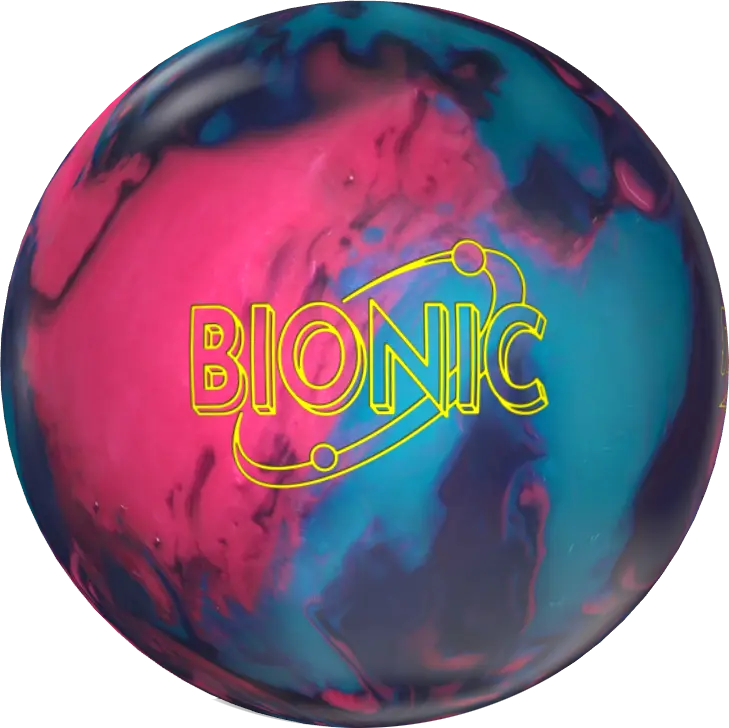
A hybrid blends the two resins, so it reads the midlane earlier than a pearl and still stores more energy than a solid. For a league bowler who wants one ball that handles most nights, a hybrid is usually the first reactive ball to buy.
Best-selling hybrid reactive balls right now
Ranked by what BowlersMart customers bought in the last 30 days. Prices and stock are updated nightly.

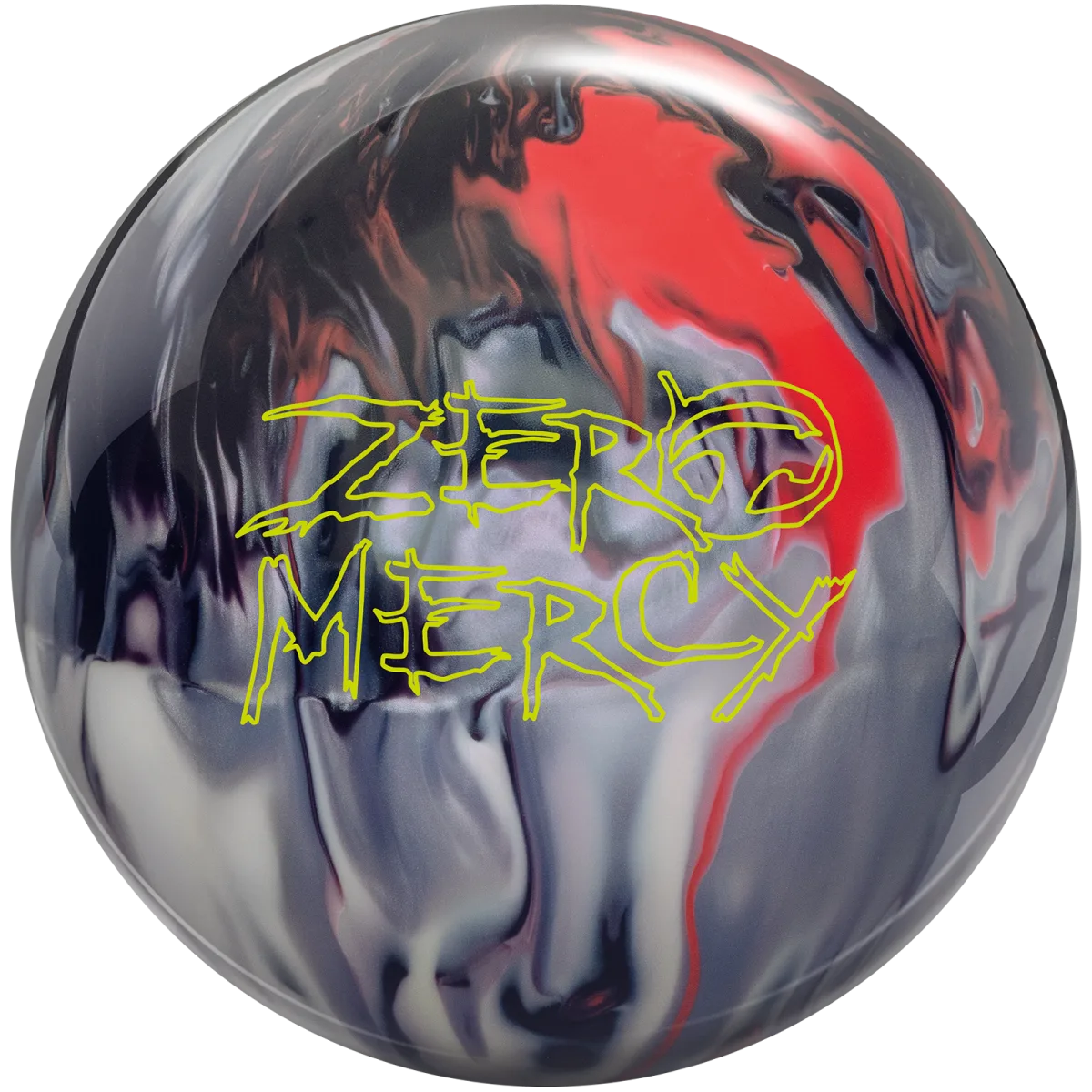
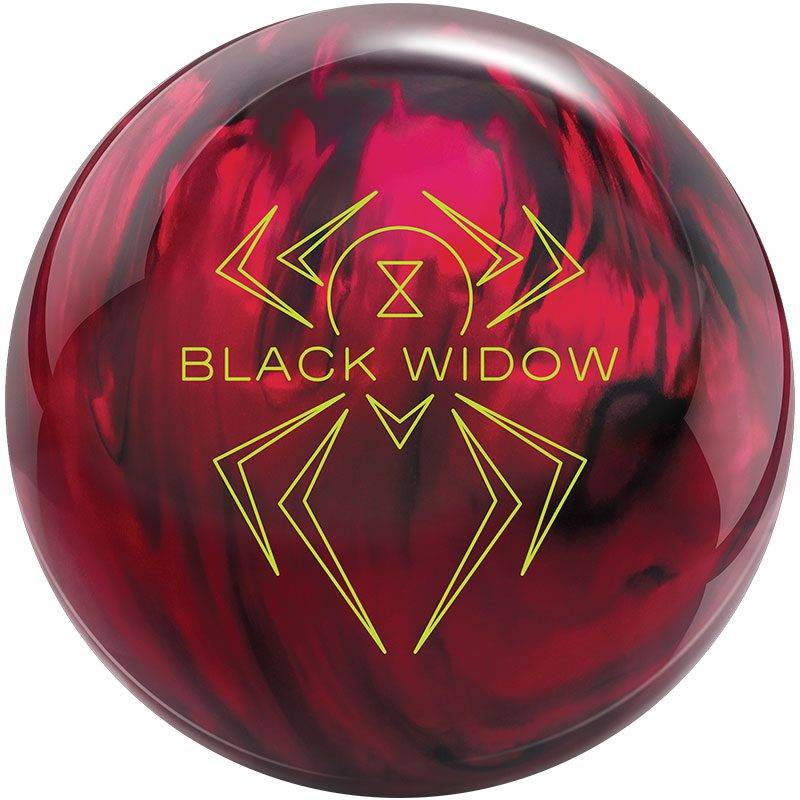

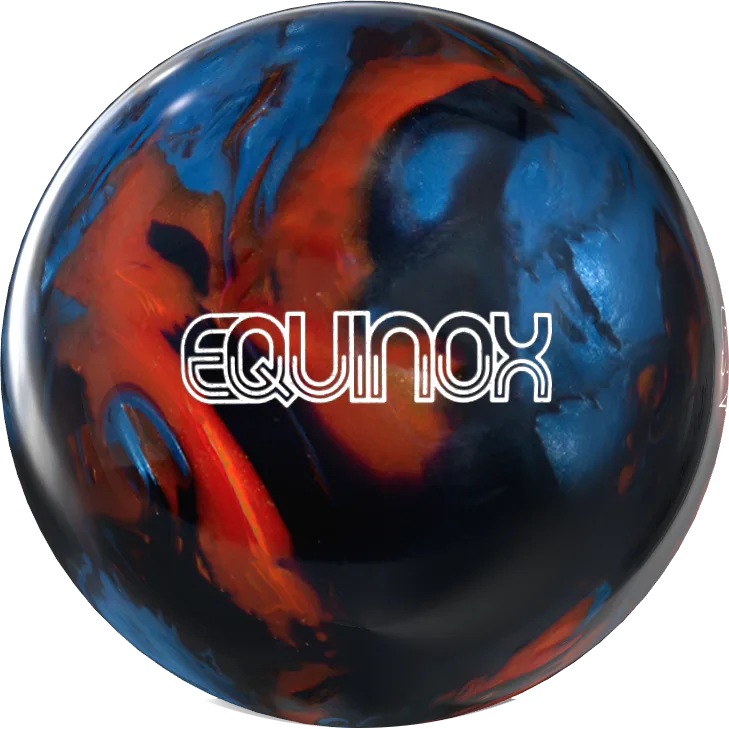


Pearl vs solid
| Solid reactive | Pearl reactive | Hybrid reactive | |
|---|---|---|---|
| Where it hooks | Earlier, in the midlane | Later, at the breakpoint | Between the two |
| Shape of the hook | Smooth, continuous arc | Sharp, angular turn | Arc with a strong finish |
| Surface out of the box | Dull, often sanded (2000 to 3000 grit) | Shiny, usually polished | Either |
| Best oil | Medium to heavy, fresh | Light to medium, broken down | Medium |
| Best bowler | Slower speed, lower revs | Faster speed, higher revs | Most league bowlers |
| When to throw it | Game one on fresh oil | Games two and three as the lanes dry | Most of the night |
The same core in a solid and a pearl cover gives two different balls: the cover decides when the hook starts, the core decides how much. Surface changes (sanding or polishing) move a ball along this table without changing its cover.
Surface finish and grit
The same coverstock plays four different ways depending on its surface. Grit is the abrasive used to finish the cover: a low number is rough and reads early, a high number is smooth and saves energy. Surface is the cheapest change you can make to a ball’s reaction, and a pro shop can do it in minutes.
| Finish | Grit | Reaction | Use it for |
|---|---|---|---|
| Rough sand | 500 to 1000 | Earliest read, most oil handling | Heavy oil, sport patterns |
| Medium sand | 2000 to 3000 | Balanced read, the usual factory finish | League play on a house shot |
| Fine sand | 4000 to 5000 | Cleaner through the front, smoother backend | Length with control |
| Polished | High gloss | Maximum length, sharp backend | Dry lanes, broken-down conditions |
Most reactive balls ship at a 2000 to 3000 grit factory finish. Reactive covers absorb oil as they are used, so a ball that reads later and weaker than it did a month ago usually needs a deep clean or a fresh surface, not a replacement.
Which coverstock do you actually need
Three things decide it: the oil you bowl on, your speed and rev rate, and what the ball next to it in your bag already does.
- Just starting, or throwing straight? Plastic. It builds a repeatable shot and becomes your spare ball when you move up.
- Your reactive ball hooks too much, or the lanes are dry? Urethane, or a polished pearl. Less friction up front keeps the ball from using up its energy early.
- League on a house shot, one ball? A hybrid or a mild solid at factory finish. It reads the midlane without over-reacting.
- Fresh, heavy oil, or a slower speed? A sanded solid. More surface grips the oil the pearl skids through.
- Building a bag? A solid for fresh oil, a pearl for when it breaks down, and a plastic spare ball. Most bowlers never need more than that.
Coverstocks by brand
Each manufacturer names its own reactive compounds. The libraries list every cover in each brand’s lineup and the balls that use it.
Questions bowlers ask
What is the difference between solid, pearl and hybrid reactive covers?
All three are reactive resin. Solid has the most friction and reads the lane earliest, so it suits heavier oil. Pearl has mica added for a glossier surface that saves energy through the front and turns hardest at the breakpoint, so it suits medium to light oil. Hybrid blends the two for a midlane read with strong backend recovery. Most arsenals carry one of each.
What are the different types of bowling balls?
By coverstock there are three: plastic (polyester), urethane and reactive resin, with reactive sold as solid, pearl or hybrid. Plastic rolls straight, urethane hooks smoothly and reactive hooks hardest. Inside the cover, the core (symmetric or asymmetric) and its RG and differential numbers set how the ball rolls; our cores guide covers those.
Which coverstock should a beginner choose?
Plastic first, for a straight, repeatable shot and a spare ball for later. Once the release is consistent, an entry-level reactive ball (usually a hybrid or mild pearl) is the first hooking ball. Urethane is a good middle step for a bowler who wants control before full reactive.
How often should I clean and resurface a reactive ball?
Clean it after every session with a USBC-approved cleaner. Resurface (sand or polish) about every 60 games or whenever the reaction changes. Reactive covers absorb oil, and absorbed oil makes the ball read later and weaker even when the surface still looks fine.
What does grit mean on a ball spec sheet?
The roughness of the cover surface, named for the abrasive used to finish it. 500 grit is rough (most friction, earliest read) and 5000 is fine; polished is smoother still. Most reactive balls ship at 2000 to 4000. A lower number means a more aggressive surface.
Can I change a ball’s coverstock?
No. The cover is bonded to the core at the factory. You can change its surface (sand, polish, compounds) and that alone can move a ball a long way along the solid-to-pearl range, but a different cover material means a different ball.
Is urethane making a comeback?
Yes. After a long quiet period once reactive resin took over, urethane returned for sport patterns, broken-down lanes and bowlers who want predictable, controllable motion. Storm Pitch Black and Hammer Purple Pearl Urethane are two common modern urethane balls.
Next lesson
Free shipping on US orders. Undrilled balls can be returned within 60 days.
