













Bowling Balls, Bowling How To's & Coaching Tips, Bowling Tips & Coaching Articles, Buying Guides, Lane Play & Lane Patterns, Surface & Layouts
What Are the Differences Between Pearl and Solid Bowling Balls?

What Are the Differences Between Pearl and Solid Bowling Balls?
When it comes to bowling, the type of ball you choose can significantly impact your performance on the lanes. Among the various types of bowling balls available, pearl and solid bowling balls are two of the most popular choices. Each type has distinct characteristics that affect both appearance and reaction on the lane. In this blog, we’ll explore the differences between pearl and solid bowling balls, helping you make an informed decision about which ball might be right for you.
Appearance Differences
One of the most noticeable differences between pearl and solid bowling balls is their appearance.
Pearl Bowling Balls
Visual Characteristics
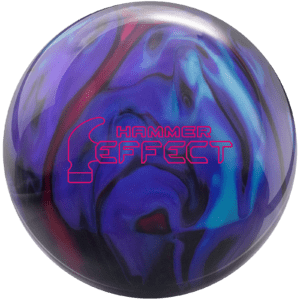
- Shiny Finish: Pearl bowling balls often have a shiny, glossy finish that makes them visually appealing.
- Reflective Surface: The addition of mica particles in the coverstock gives these balls a sparkling appearance that reflects light.
- Vibrant Colors: Pearl balls typically come in vibrant and varied colors, making them stand out on the rack.
Solid Bowling Balls
Visual Characteristics
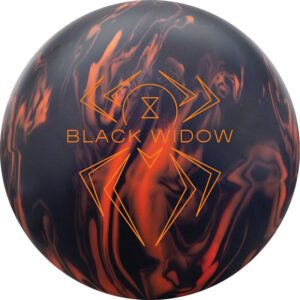
- Matte Finish: Solid bowling balls usually feature a matte or dull finish, giving them a less flashy appearance.
- Uniform Color: These balls often have a more uniform color scheme, generally appearing in darker and more subdued tones.
- Non-Reflective: The surface of solid balls does not reflect light as much as pearl balls, resulting in a more understated look.
Reaction Differences
Beyond appearance, the primary differences between pearl and solid bowling balls lie in how they react on the lane. Understanding these differences is crucial for selecting the right ball based on your playing style and lane conditions.
Pearl Bowling Balls
Lane Reaction
- Length: Pearl bowling balls are designed to go longer down the lane before hooking, providing added length and a sharper breakpoint.
- Skid/Flip Reaction: These balls typically exhibit a “skid/flip” reaction, where they skid through the oil and then flip sharply into the pocket.
- Ideal Conditions: Pearl balls perform best on medium to dry lane conditions, where the added length can help avoid early hook and maintain control.
Pros and Cons
- Pros: Better length through the front part of the lane, sharp backend reaction, ideal for drier conditions.
- Cons: Can struggle on heavy oil patterns, may overreact if the lanes are too dry.
Solid Bowling Balls
Lane Reaction
- Early Hook: Solid bowling balls read the lane earlier and begin to hook sooner than pearl balls, providing a smoother arc.
- Strong Mid-Lane: These balls have a strong mid-lane reaction, making them effective for cutting through heavy oil patterns.
- Continuous Motion: Solid balls typically offer a continuous and predictable motion, which can be advantageous for bowlers seeking consistency.
Pros and Cons
- Pros: Excellent control on oily lanes, smooth and continuous motion, predictable reaction.
- Cons: May hook too early on dry lanes, potentially losing energy before hitting the pins.
Choosing the Right Ball
The choice between a pearl and a solid bowling ball depends on several factors, including your playing style, lane conditions, and personal preferences.
Factors to Consider
- Lane Conditions: For oily lanes, a solid bowling ball with an early hook is often preferable. For medium to dry lanes, a pearl ball can provide the needed length and sharp reaction.
- Playing Style: Bowlers who prefer a strong backend reaction may favor pearl balls, while those seeking a smoother, more controlled motion may opt for solid balls.
- Versatility: Many bowlers keep both types in their arsenal to adapt to varying lane conditions and maximize their performance.
Experimentation and Adjustment
- Testing: Try using both types of balls during practice sessions to see how each reacts to different conditions.
- Adjustments: Be prepared to adjust your approach, speed, and angle based on the ball’s performance and the lane conditions.
Conclusion
Understanding the differences between pearl and solid bowling balls can greatly enhance your bowling experience. Whether you prioritize length and sharpness or early hook and control, knowing how each type of ball reacts will help you make better-informed decisions on the lanes. Ultimately, having both types of balls at your disposal allows for greater versatility and adaptability, ensuring you’re prepared for any lane conditions you encounter.
Have you tried both pearl and solid bowling balls? Share your experiences and preferences in the comments below!
recommended Bowling gear





more bowling articles you may enjoy

Roto Grip Perfect Gem Bowling Ball Review: GEM + A.I. Core and the New E-R1 Solid Cover
By Brian Halstrom, BowlersMart Editorial Team. Specs on this page are verified against Roto Grip’s [...]
Sep

900 Global Portal Bowling Ball Review: Conduit A.I. Core + RB 92 Solid Coverstock
By Brian Halstrom, BowlersMart Editorial Team. Specs on this page are verified against 900 Global’s [...]
Sep
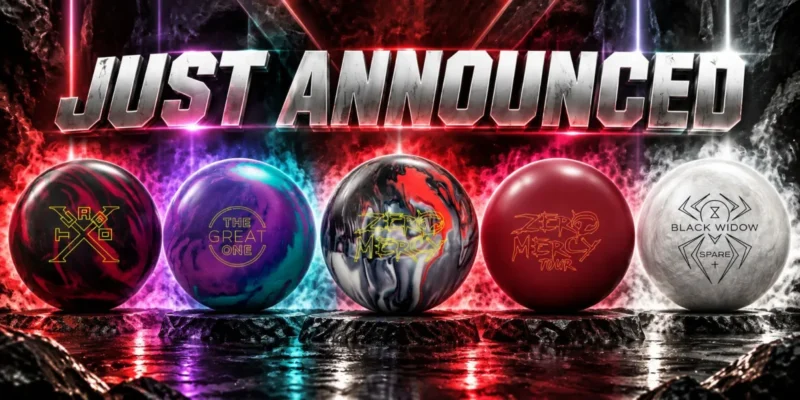
Hammer and Ebonite Drop 5 New Bowling Balls for September 2026: Here’s What You Need to Know
By Brian Halstrom, BowlersMart Editorial Team | Published September 2026 Hammer and Ebonite just announced [...]
Sep
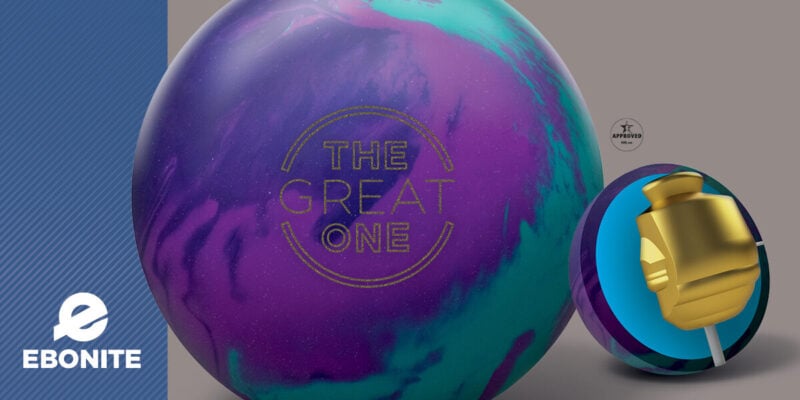
Ebonite The Great One Bowling Ball Review: Centrex Core + HK22C2 GB 15.1 Solid Cover
By Brian Halstrom, BowlersMart Editorial Team. Specs on this page are verified against Ebonite’s official [...]
Sep
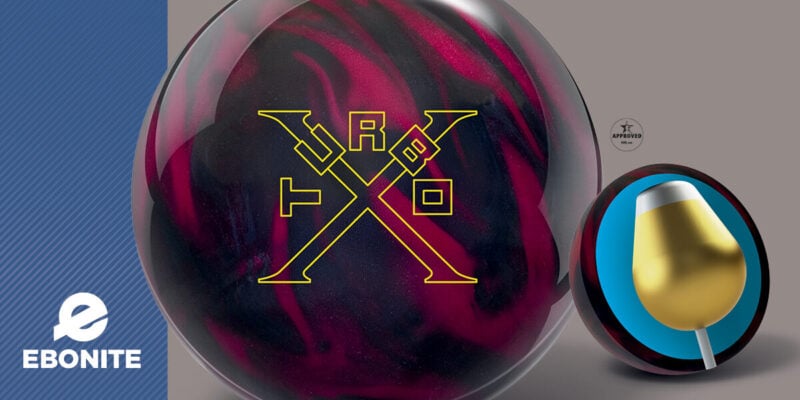
Ebonite Turbo X Pearl Bowling Ball Review: Turbo Core + HK22 GB 10.7 Pearl Cover
By Brian Halstrom, BowlersMart Editorial Team. Specs on this page are verified against Ebonite’s official [...]
Sep
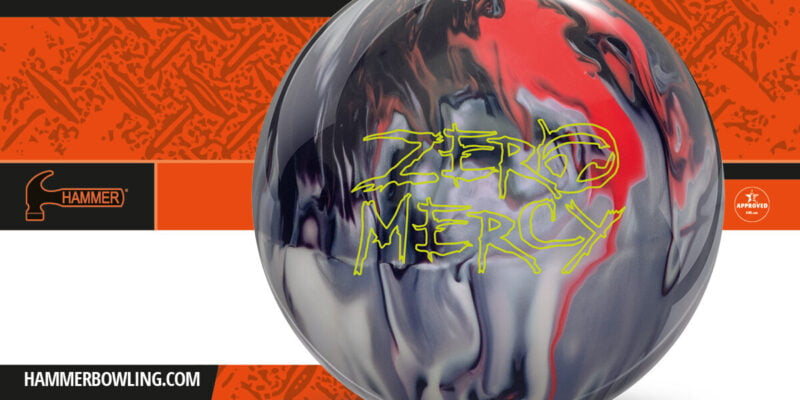
Hammer Zero Mercy Hybrid Bowling Ball Review: Super Offset Core + HK22C2 Hybrid Cover
By Brian Halstrom, BowlersMart Editorial Team. Specs on this page are verified against Hammer’s official [...]
Sep
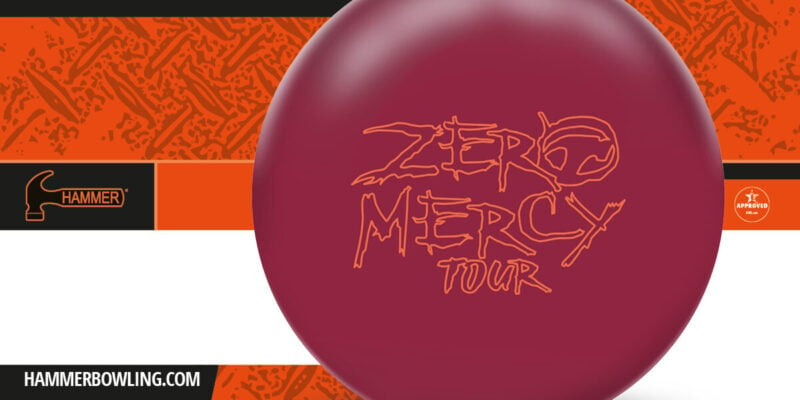
Hammer Zero Mercy Tour Bowling Ball Review: Obsession Tour Core + C2 Tour Edition Cover
By Brian Halstrom, BowlersMart Editorial Team. Specs on this page are verified against Hammer’s official [...]
Sep
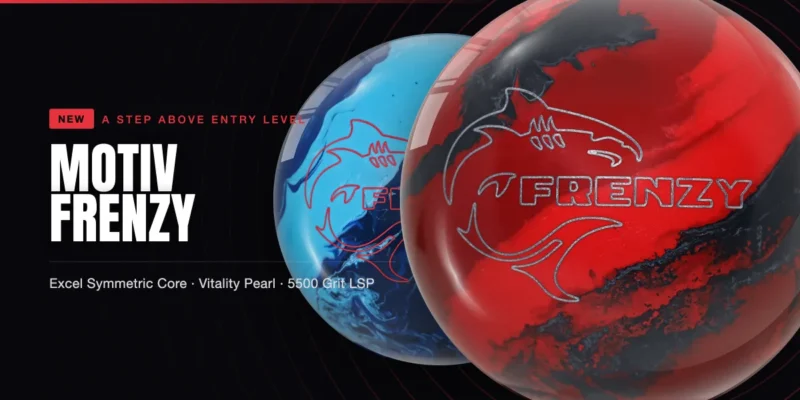
Motiv Frenzy Bowling Ball Review: Excel Core + Vitality Pearl in Blue/Teal and Red/Black
By Brian Halstrom, BowlersMart Editorial Team. Specs on this page are verified against Motiv’s official [...]
Sep
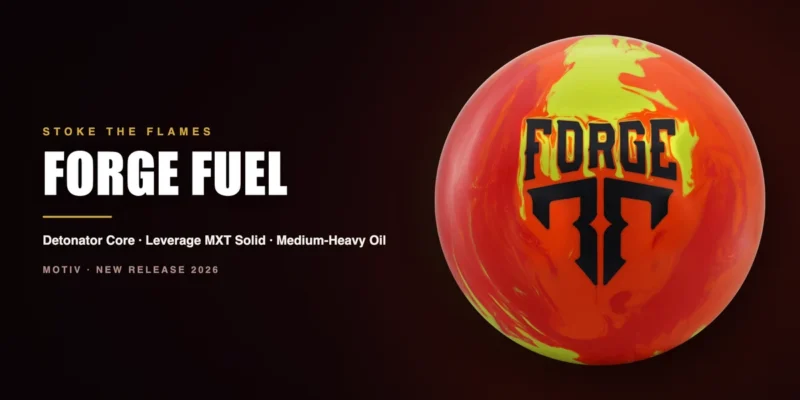
Motiv Forge Fuel Bowling Ball Review: Detonator Core + Leverage MXT Solid Reactive Cover
By Brian Halstrom, BowlersMart Editorial Team. Specs on this page are verified against Motiv’s official [...]
Aug
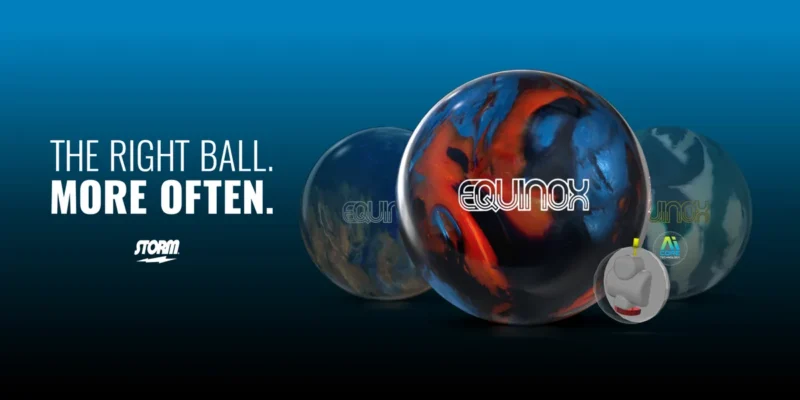
Storm Equinox Hybrid Bowling Ball Review: Solarion A.I. Core + A2S Hybrid Coverstock
By Brian Halstrom, BowlersMart Editorial Team. Specs on this page are verified against Storm’s official [...]
3 Comments
Aug
PBA ELITE Regional Tour: A Bigger Prize Pool, a Shorter Schedule, and the Questions Nobody Has Answered Yet
By Brian Halstrom, BowlersMart Editorial Team | Published August 2026 Regional bowling just got its [...]
Aug
We Mapped Every Bowling Center in America: Meet Lane Finder, Free for Every Bowler
By Brian Halstrom, BowlersMart Editorial Team | Published July 2026 Try asking the internet a [...]
1 Comment
Jul
 Balls
Balls Shoes
Shoes Bags
Bags Accessories
 Apparel
 Deals
Deals
That was a excellent description about the difference and pros & cons of the pearl and sold bowling balls thank you
All of my bowling balls are solids, but some of them are polished to get more of a pearl like reaction out of them.
That was a excellent description about the difference and pros & cons of the pearl and sold bowling balls thank you
That was a excellent description of the difference between the pearl and solid bowling balls and how they react on different oil patterns
information very helpful.
Historically I’ve used, and played better with pearl. As I age, I’m trying to smooth it out a bit, and focus on rolling solid balls. Even going back to adding a urethane to help smooth it out when dry. I guess we’ll see how that works.
I actually polished one of my solids to make it act like a pearl. You can change the surface on any ball to get it to act how you’d like it too.